
What to know first
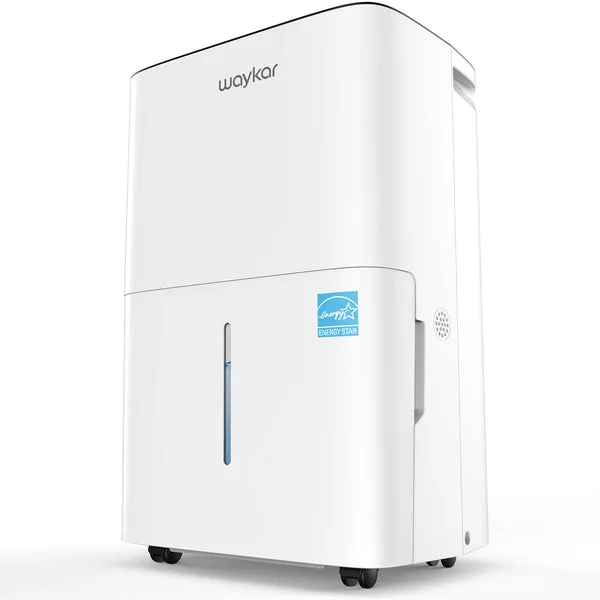
- The Waykar 80 Pint Dehumidifier is aimed at large-room dehumidifying on a budget.
- The 80-pint rating is a standardized comparison number. Real removal is typically lower in cooler, less-humid basements.
- If you’re debating 50-pint versus bigger capacity for a damp basement, this model is the budget-leaning option in that direction.
- Don’t buy based on “covers X square feet” claims alone. Layout, temperature, and moisture load matter more than floor area.
- Before you count on continuous drainage, make sure your drain setup works (hose fit, slope, location, and whether a pump is actually included).
What the Waykar 80 Pint Dehumidifier is
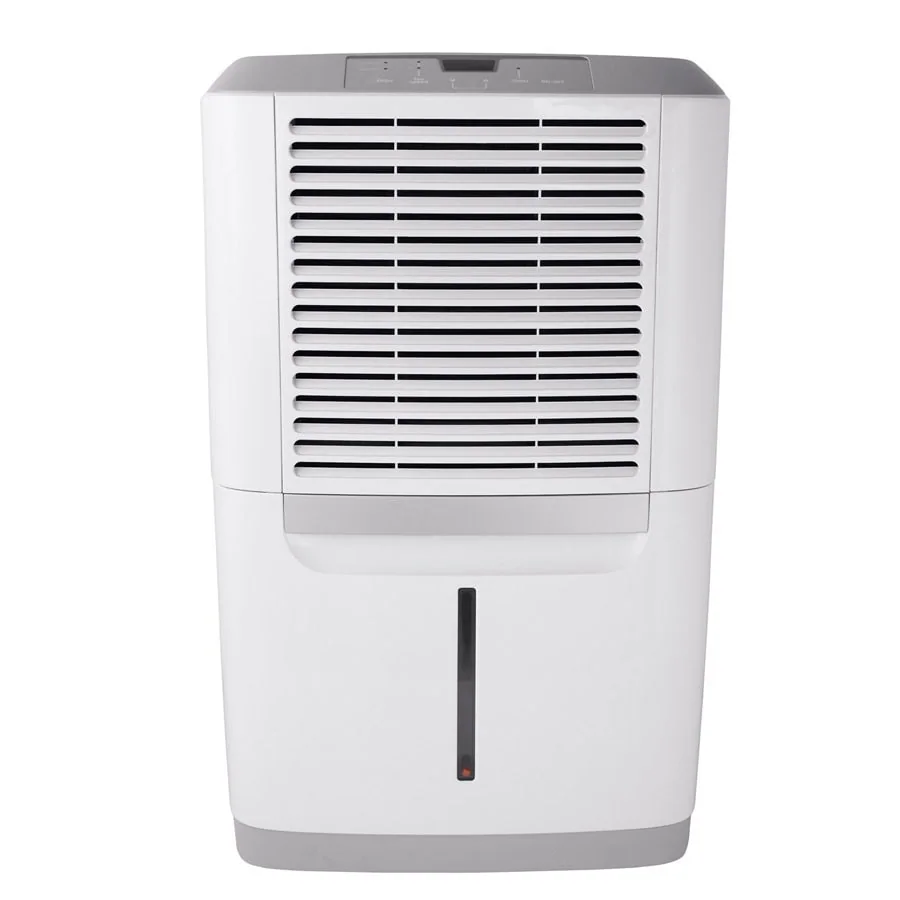
The Waykar 80 Pint Dehumidifier is a large-capacity, compressor-style dehumidifier designed for bigger humidity problems, especially basements. The headline spec is its “80 pint” water-removal rating, which is a standardized way to compare units under warm, humid conditions.
In plain terms, it’s meant for the shopper who’s tired of a smaller dehumidifier running constantly and still not getting the space under control. Waykar’s angle here is value: push capacity higher without pushing the price into premium territory.
Like other compressor dehumidifiers, it’s built for long run times during humid stretches. That makes the practical ownership details matter a lot: where the water goes, how often you’ll empty it, and whether your space is warm enough for steady operation without frequent defrost pauses.
Why it stands out
The reason to consider the Waykar 80 Pint Dehumidifier is straightforward: it targets large-room dehumidifying on a budget. If you’re shopping because a basement feels clammy, smells musty, or you’re seeing dampness during long humid spells, capacity-per-dollar is often the deciding factor.
The “80 pint” rating is useful as a comparison tool. It tells you this model is positioned above the common 50-pint class in advertised removal. Just keep your expectations realistic: the standardized rating is measured in warmer, more humid conditions than many real basements. In a cooler basement, output usually drops and the unit may spend time defrosting instead of actively dehumidifying.
This is also where marketing claims can mislead. Coverage numbers that talk about thousands of square feet don’t account for the real stuff that makes dehumidifiers succeed or fail, like how damp the space is, whether doors are open, how air moves through the room, and whether the basement is 60°F versus 75°F. If you’re buying this Waykar, buy it for the higher capacity target, not because a box says it covers a certain floor area.
What it is like to own
In day-to-day use, the biggest quality-of-life question is drainage. Any dehumidifier can collect water in a tank, but basements often need long run times, and that can mean frequent emptying if you rely on the bucket. If your space has a floor drain or a place you can run a hose downhill, continuous drainage can turn a dehumidifier from a chore into something you barely think about.
If your drain is higher than the dehumidifier, gravity drainage will not work. That’s when you’d need a pump-based solution. Before you buy, confirm whether the exact Waykar 80 Pint Dehumidifier configuration you’re looking at actually includes a pump or if you’d need a different model or an external condensate pump.
Basement temperature also changes the ownership experience. In cooler rooms, compressor dehumidifiers can frost up, which triggers defrost cycles. Practically, that means the unit periodically pauses moisture removal to clear the coils. If your basement is on the cool side, expect slower progress than the pint rating suggests and consider whether you can keep the space a bit warmer during the damp season.
What to know before you buy
Don’t treat “80 pints per day” like a guaranteed daily result. It’s a standardized benchmark under warm, humid conditions. In many basements, the air is cooler and sometimes less humid than the rating scenario, so removal is typically lower. Use the number to compare models, not to predict exactly how many gallons you’ll dump every day.
Continuous drainage is often described as a feature, but it only works if your setup supports it. You need the right hose fit, a reliable downhill slope, and a drain location that makes sense for where the unit will sit. If your only drain option requires pushing water upward, you need a pump solution, and you should verify whether a pump is included before you assume it is.
Finally, remember that dehumidifiers run for long periods. Noise and energy use matter because they determine whether you’ll actually keep it running when you need it. If you’re sensitive to sound or you’re placing the unit near a bedroom, you may want to prioritize a model known for quieter operation or better efficiency, even if it’s a smaller capacity class.
The specs that matter
This is the main reason to buy it. It signals a higher-capacity target than many common 50-pint units, but real removal is usually lower in cooler or less-humid basements.
If your space is big and consistently damp, paying for more capacity can reduce how hard the unit has to work to keep humidity down.
When it’s set up correctly, you can run the dehumidifier for long humid stretches without emptying a tank.
A pump is what makes true unattended drainage possible in many basements. Don’t assume it’s included just because “continuous drain” is mentioned.
In a cool basement, the unit may pause to defrost, which slows moisture removal and can make the space take longer to feel dry.
Moisture load, layout, and air movement can matter more than floor area. A “big coverage” claim won’t fix a tough basement if conditions are unfavorable.
Who this product fits
You have a damp basement and a 50-pint unit hasn’t kept up
The Waykar 80 Pint Dehumidifier is the budget-minded move toward more capacity. It’s built for the shopper who wants a stronger moisture-removal target without paying for premium add-ons.
You want a dehumidifier you can run for weeks during humid season
Plan your drainage first. If you can run a hose downhill to a floor drain, continuous drainage can make ownership much easier. If you can’t, you’ll either be emptying the tank often or you’ll need a pump solution.
Your basement is cool most of the year
Expect slower dehumidifying than the 80-pint rating implies. Cooler air can lead to frost and defrost cycles, which means the unit periodically stops removing moisture while it clears the coils.
What else to compare
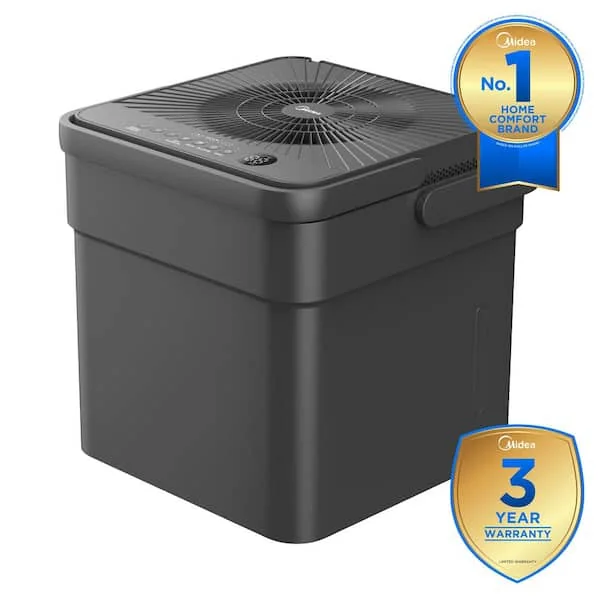
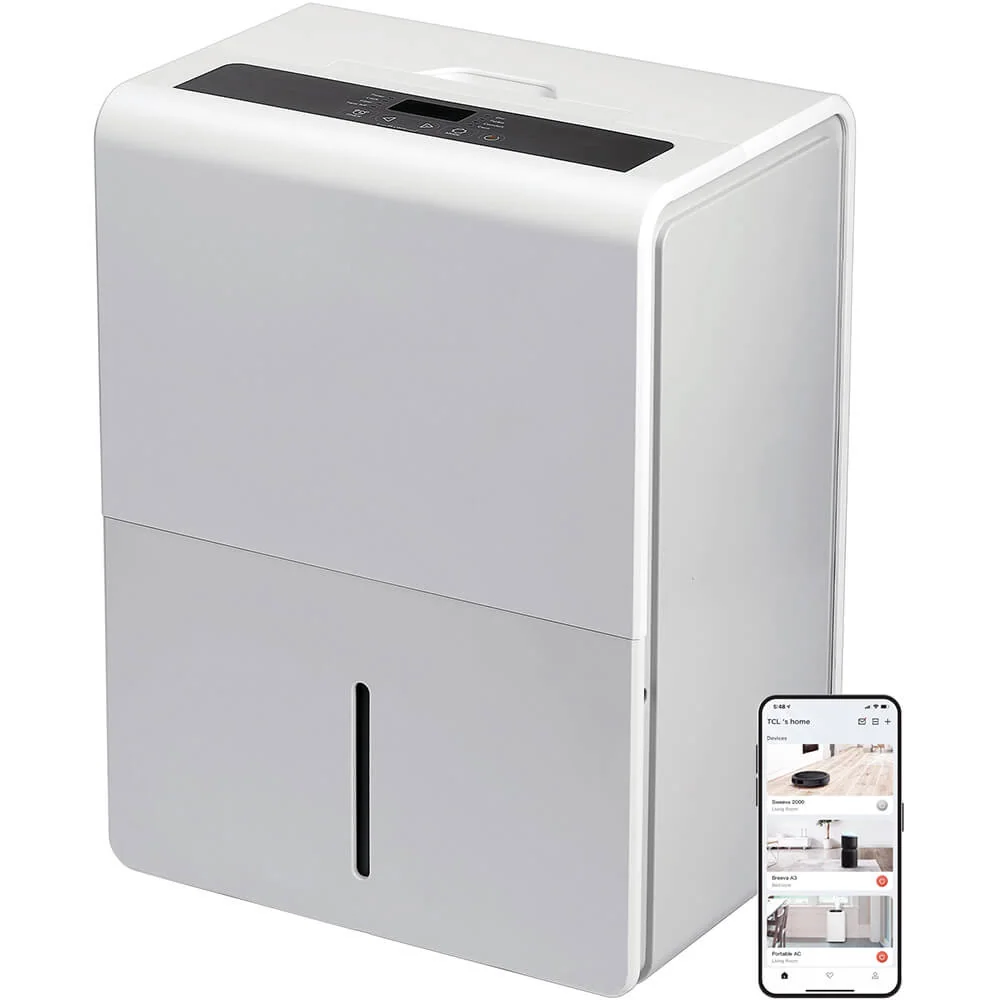
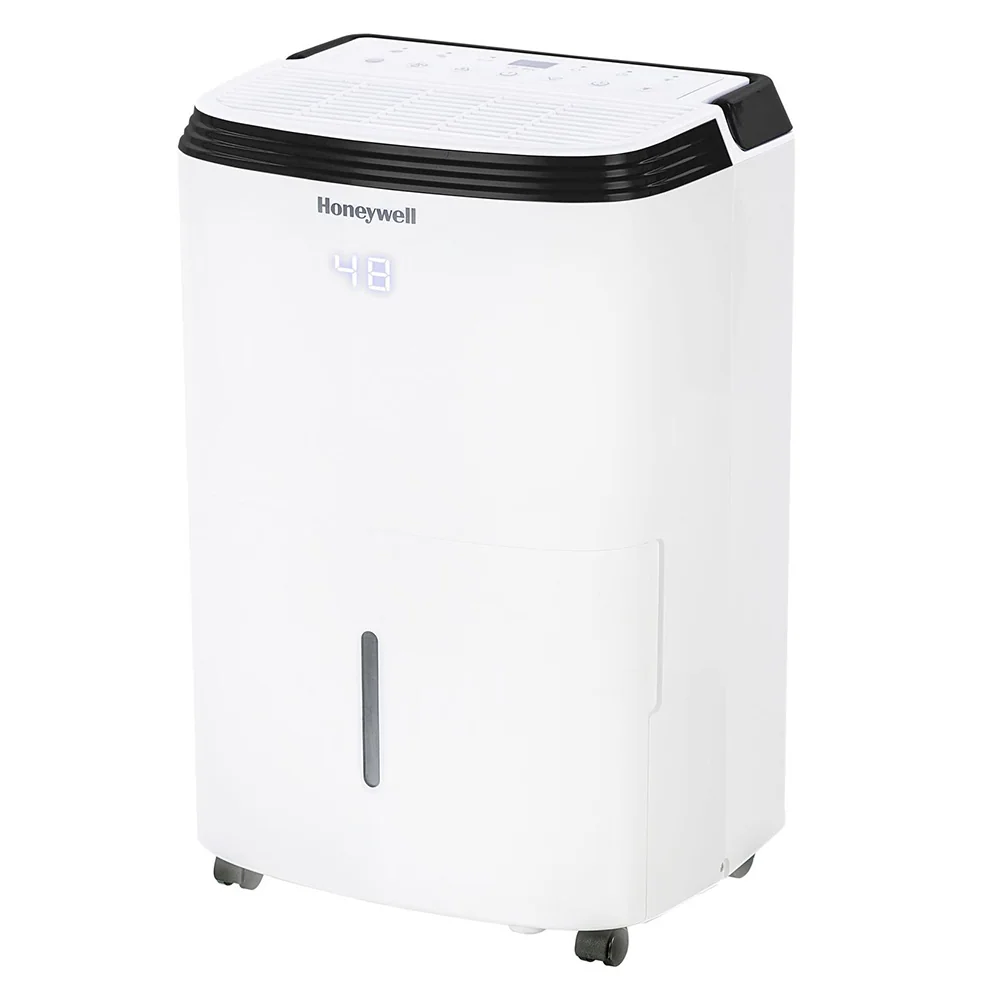
If the Waykar 80 Pint Dehumidifier isn’t the right fit, these alternatives make more sense for specific priorities.
Waykar 80 Pint Dehumidifier FAQ
Is the Waykar 80 Pint Dehumidifier actually 80 pints per day in a basement?
The 80-pint number is a standardized rating measured under warm, humid conditions. Many basements are cooler and sometimes less humid, so real water removal is typically lower. Use the rating to compare models, not as a daily guarantee.
Can the Waykar 80 Pint Dehumidifier drain continuously?
Continuous drainage depends on your setup. A gravity drain needs a hose run that stays downhill the whole way to a drain. If your drain is higher than the unit, gravity drainage won’t work and you’ll need a pump solution.
Do I need a pump for a basement dehumidifier?
You need a pump if the water has to travel upward to reach a sink, window, or higher drain point. If you have a floor drain or can route a hose downhill, you can usually use gravity drainage instead.
Should I buy based on the square-foot coverage claim?
No. Coverage claims don’t account for how damp the space is, how air moves, the room layout, or basement temperature. Capacity (pints per day), drainage practicality, and how cool the space runs are usually more useful decision points.
What’s the main reason to choose this Waykar over a typical 50-pint model?
It’s aimed at shoppers who want more capacity-per-dollar for a bigger humidity problem. If you’re deciding between a common 50-pint class unit and something that leans harder into capacity, this is the budget-friendly move upward.
Should you buy the Waykar 80 Pint Dehumidifier?
Buy the Waykar 80 Pint Dehumidifier if you’re dealing with a big, damp space and you want the most moisture-removal capacity you can get without paying for premium features. It’s a practical choice for basements where you’re trying to get ahead of musty air and persistent humidity.
Before you commit, think through drainage and basement temperature. If you can set up a reliable drain path, ownership gets much easier. If you need smart controls, a more compact design, or a guaranteed pump-based drainage setup, you’ll likely be happier with a model built around those priorities instead of simply chasing the biggest pint rating.