
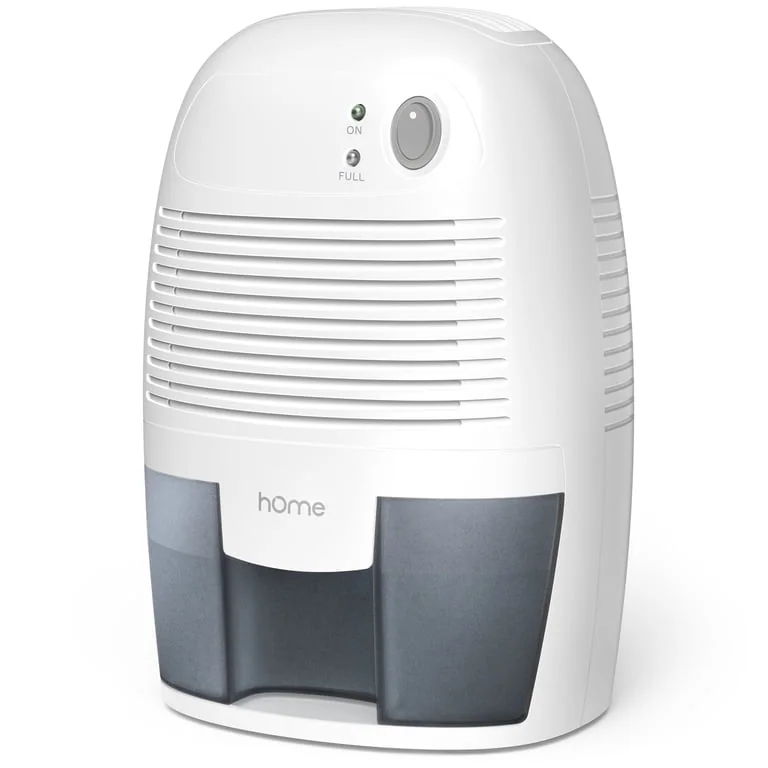
What to know first
- The main selling point is quiet operation, with a cited 33 dB noise figure.
- Designed for smaller, occupied rooms (the name targets 1,000 sq. Ft, but real-world results depend on humidity and temperature).
- Compact form factor is part of the appeal, but it also signals this isn’t a heavy-duty moisture hog.
- If you need unattended draining for long humid stretches, confirm the drainage setup you’ll actually use (bucket vs hose, and whether you have the right drain location).
- For basements or big open areas, a larger-capacity dehumidifier is usually the more practical move.
What the HomeLabs 1,000 Sq. Ft Portable Dehumidifier is
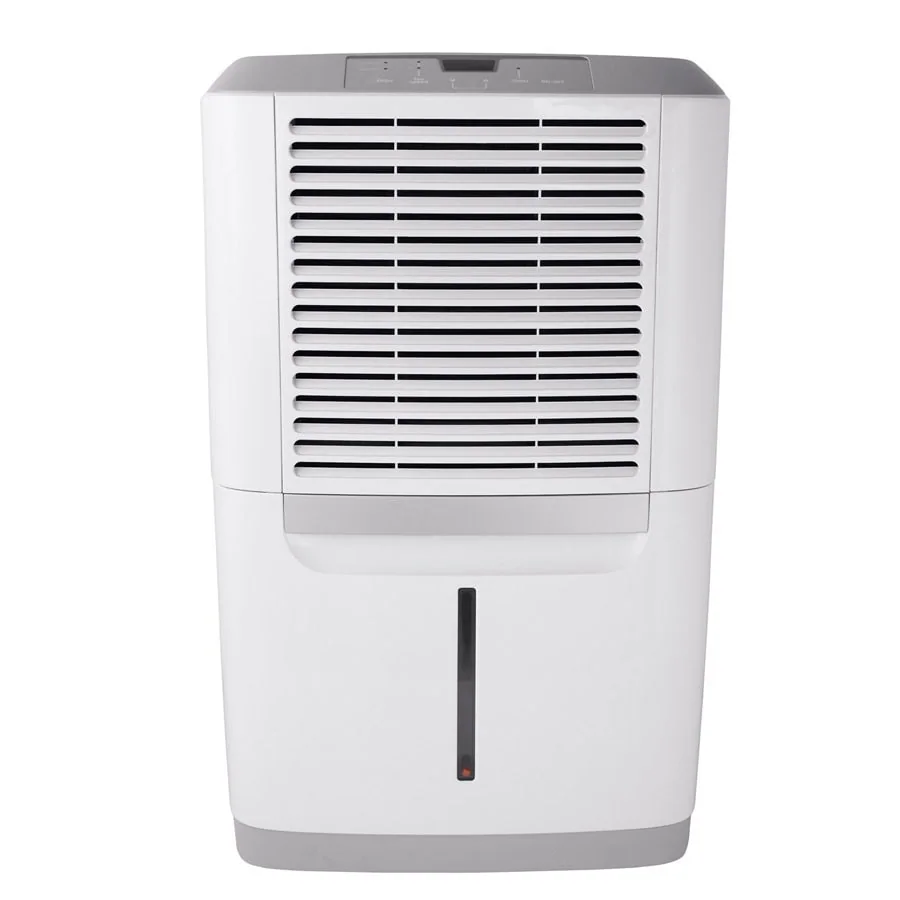
The HomeLabs 1,000 Sq. Ft Portable Dehumidifier is a small-room dehumidifier aimed at everyday comfort, not industrial-level drying. It’s meant for places like bedrooms, living rooms, and other spaces where you’re present while it runs.
Like most compressor-based dehumidifiers, it pulls moisture from the air and collects it as water. The practical goal is simple: make a room feel less clammy, reduce that damp-air heaviness, and help keep humidity from creeping into the range where musty smells and moisture problems get worse.
The reason this specific HomeLabs model gets attention is not raw capacity. It’s that it is a quiet dehumidifier you can actually tolerate in a room you use all day.
Why it stands out
Noise is the headline feature here. The cited sound level is 33 dB, which puts this HomeLabs model squarely in the “run it while you sleep” conversation. If you’ve ever owned a dehumidifier that made your bedroom feel like a utility room, you already understand why that matters.
It’s also described as compact, which tends to go hand in hand with its intended job: maintaining comfort in smaller, lived-in spaces rather than aggressively drying out a big, wet basement. In plain terms, it’s built to be unobtrusive, both in sound and in footprint.
One important context point: the “1,000 sq. Ft” label is a sizing signal, not a guarantee. How well any dehumidifier keeps up depends heavily on how humid the air is, how warm the room is, and how air moves through the space. A closed bedroom with moderate humidity is a very different challenge than a cool basement with seepage and poor airflow.
What it is like to own
Day to day, the big quality-of-life win is being able to run it in an occupied room without feeling like you need to leave the door closed to escape the noise. That’s the whole point of choosing a quiet model: you actually keep it running, which is what makes humidity control work.
Plan your drainage routine before you buy. Dehumidifiers either collect water in a tank you empty (fine for occasional use) or run continuously through a hose (better for long humid stretches). If you want continuous drainage, you need a real-world path for the water to go, meaning a drain location and a hose run that stays downhill the whole way unless the unit includes a pump.
Also keep room temperature in mind. In cooler spaces, dehumidifiers can spend time defrosting instead of actively removing moisture. That’s normal behavior, but it’s another reason this model makes the most sense in typical living spaces rather than cold basements.
What to know before you buy
Don’t buy this expecting it to solve a serious basement moisture problem by itself. The evidence around this model points to “quiet and compact,” and those strengths usually come with less power than larger, heavier units designed for basements.
Be skeptical of coverage numbers in general. Square footage claims don’t account for how wet the space is, whether doors are open, how cold the room gets, or whether you’re fighting ongoing moisture sources. Use the 1,000 sq. Ft label as a starting point, then size up if your space is damp, cool, or open-plan.
If unattended operation is your priority, confirm drainage details before committing. Gravity drainage only works when you can keep a hose sloping down to a drain. If your drain is higher than the unit, you’d need a pump style setup, and you should not assume a pump is included unless it’s explicitly stated.
The specs that matter
Treat this as a sizing hint for smaller areas. If your space is cooler, wetter, or more open than a typical room, you may need a larger-capacity unit to keep humidity in check.
This is the reason to buy it. Lower noise is what makes a dehumidifier realistic to run in bedrooms, living rooms, and home offices for long stretches.
A smaller unit is easier to place in a lived-in room without it becoming the most noticeable thing in the space. It also signals it’s aimed at comfort, not heavy-duty drying.
If you want to run a dehumidifier for days during humid weather, continuous drainage is what keeps it from becoming a chore. But it only works if your drain setup makes sense in your room.
In basements or chilly rooms, dehumidifiers can pause to defrost, which reduces water removal over time. This model is a better match for typical living temperatures.
Who this product fits
You want a bedroom dehumidifier that won’t wreck your sleep
The HomeLabs 1,000 Sq. Ft Portable Dehumidifier is aimed at quiet operation, with a cited 33 dB figure. That’s the feature that matters when the unit is running a few feet from your bed.
You work from home and hate background appliance noise
If you’re trying to make a home office feel less sticky in summer, a quieter dehumidifier is easier to keep on during calls and focused work. This model is positioned specifically for that kind of occupied-room use.
You need to tame damp air in a living room without a big, bulky machine
Because it’s described as compact, it’s easier to place where people actually spend time. You’re paying for something you’ll tolerate seeing and hearing, not just raw moisture removal.
What else to compare
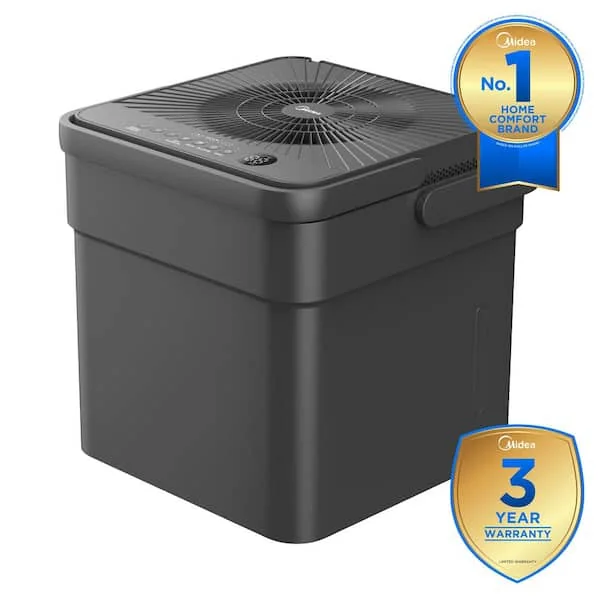
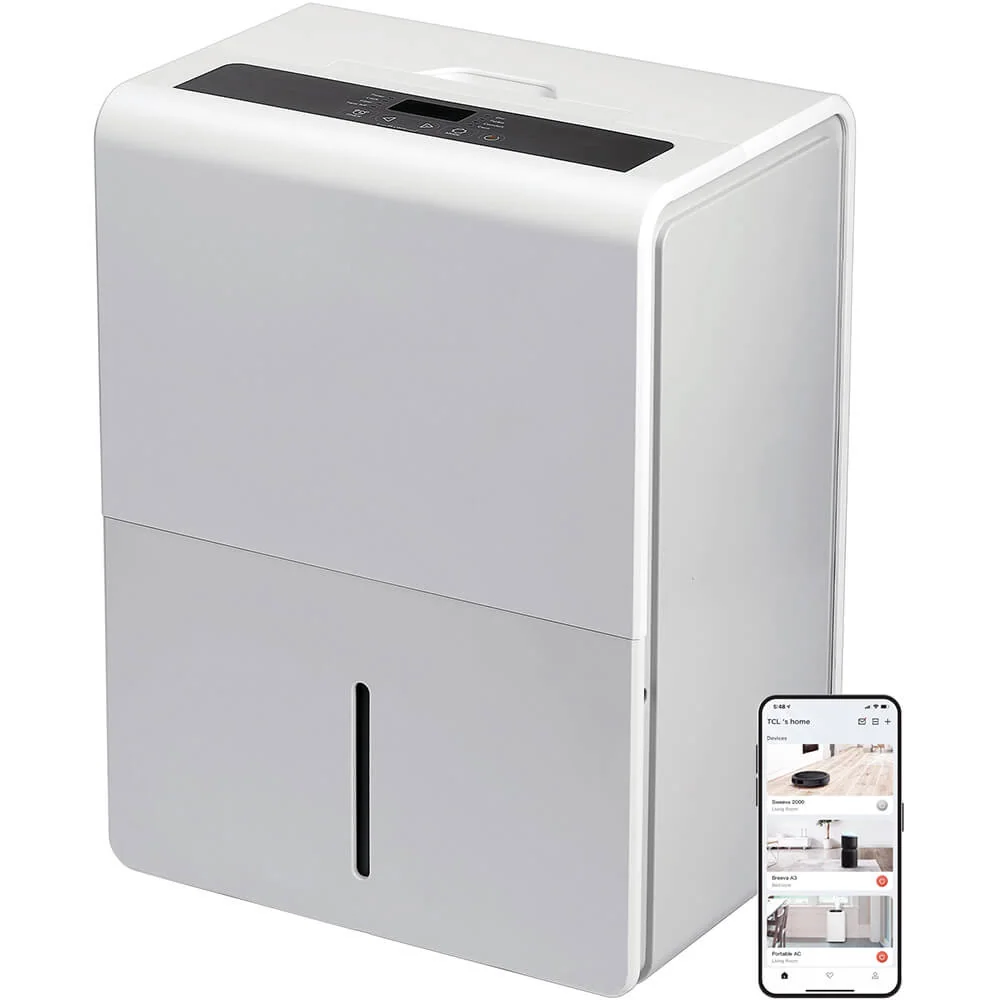
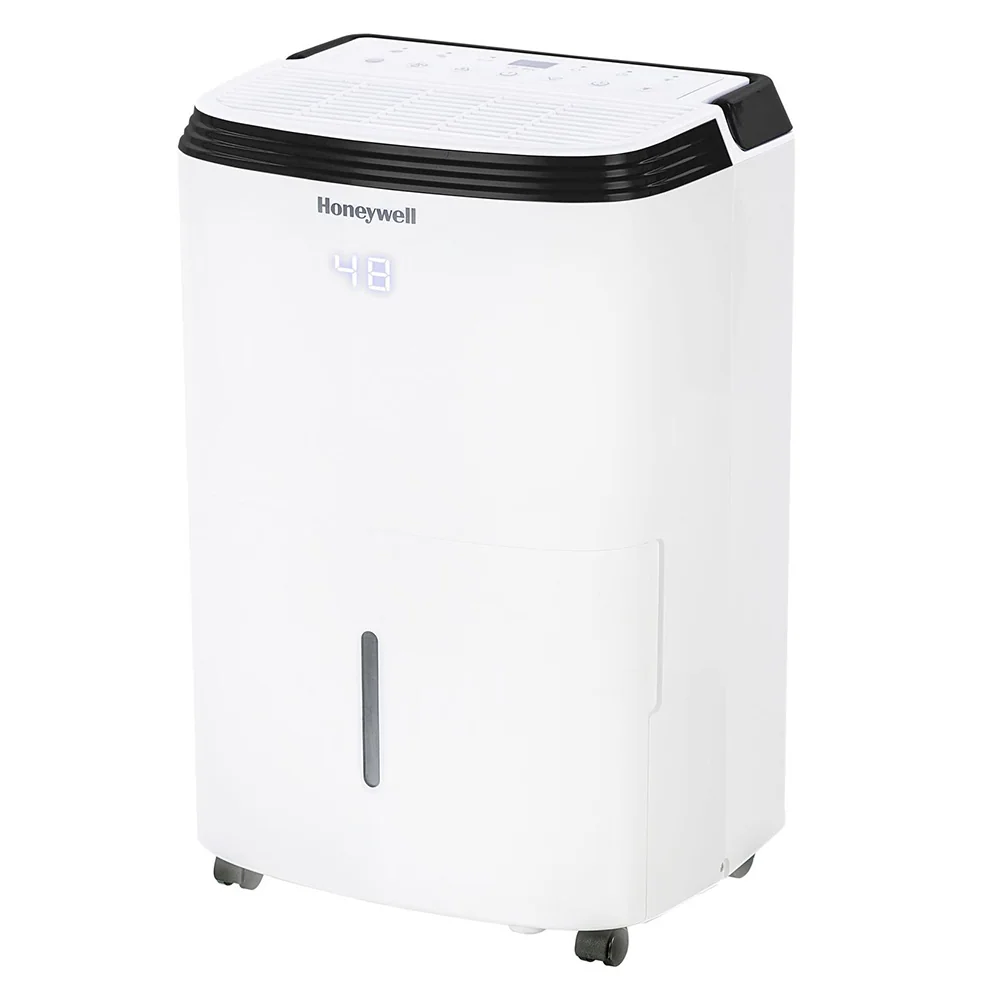
If you need a different balance of capacity, storage, or smart features, these are the more practical alternatives to compare.
HomeLabs 1,000 Sq. Ft Portable Dehumidifier FAQ
Is the HomeLabs 1,000 Sq. Ft Portable Dehumidifier actually quiet?
It is a quiet model, with a cited 33 dB figure. That’s why it’s a better fit for bedrooms and other occupied rooms than many louder, basement-focused units.
Will a 1,000 sq. Ft dehumidifier work in a basement?
Sometimes, but basements are often cooler and wetter than the conditions used for ratings. In cooler rooms, dehumidifiers can spend time defrosting, and in very damp spaces you may simply need a larger-capacity unit.
What does “continuous drainage” really mean for a dehumidifier?
It means the water can leave through a hose instead of filling a bucket you have to empty. For most units, that only works if the hose can run downhill to a drain the whole way unless the unit includes a pump.
Why do dehumidifiers remove less water than you expect?
Water removal ratings are based on warm, humid conditions. In real homes, lower temperatures and lower humidity reduce output, and colder rooms can trigger defrost cycles that pause dehumidifying.
Should I buy this model or a larger 50-pint dehumidifier?
Choose this HomeLabs model when quiet operation in a lived-in room is the priority. If you’re trying to control humidity in a large, damp area like a basement, a larger-capacity unit is usually the more effective and less frustrating solution.
Should you buy the HomeLabs 1,000 Sq. Ft Portable Dehumidifier?
Buy the HomeLabs 1,000 Sq. Ft Portable Dehumidifier if you want a dehumidifier you can live with. The cited 33 dB noise figure is the point, and it’s what makes this model make sense for bedrooms, living rooms, and home offices.
Skip it if your main goal is drying out a big, damp basement or you want a feature-rich, smart dehumidifier. In those cases, you’ll be happier putting your money toward a larger-capacity unit or one built around smart monitoring and long-run drainage.