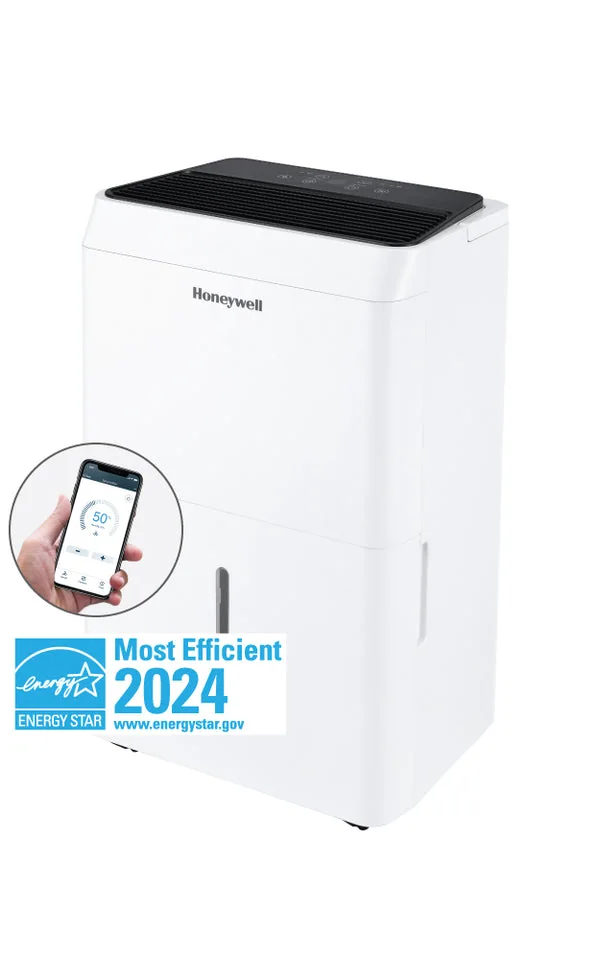
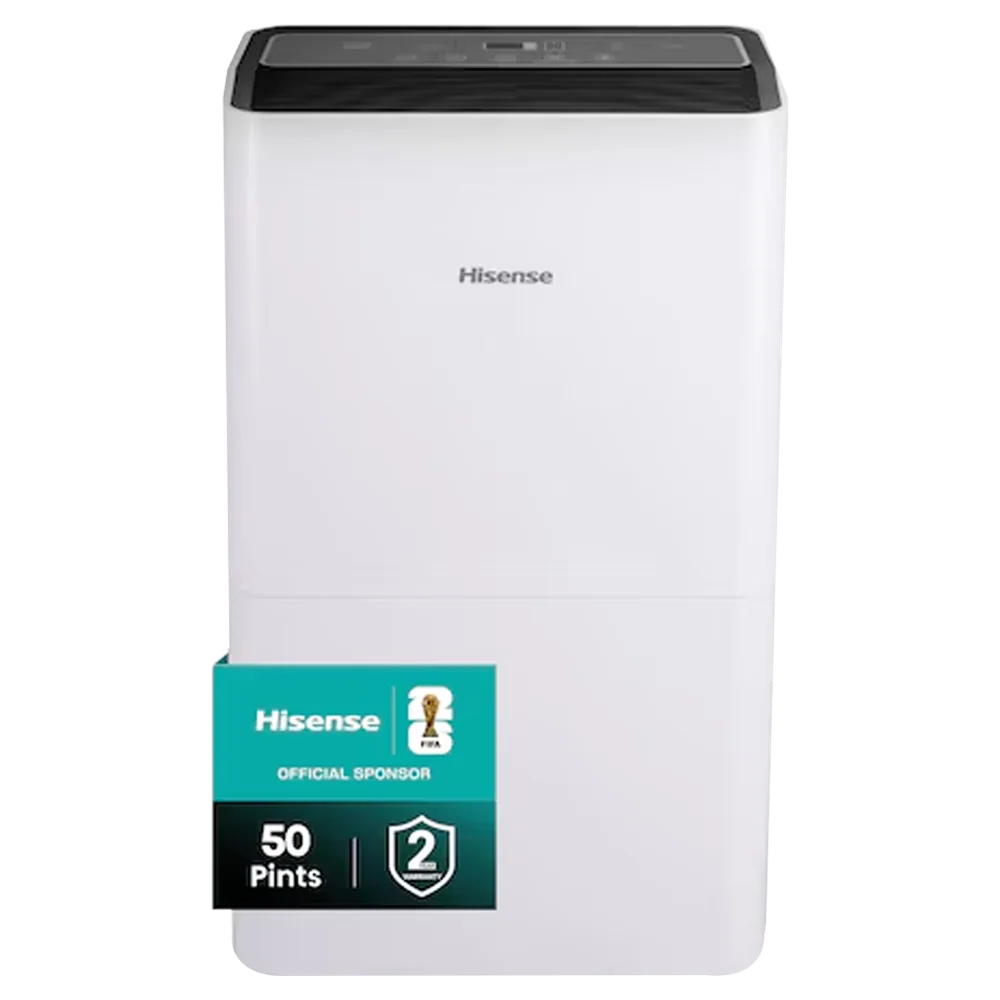
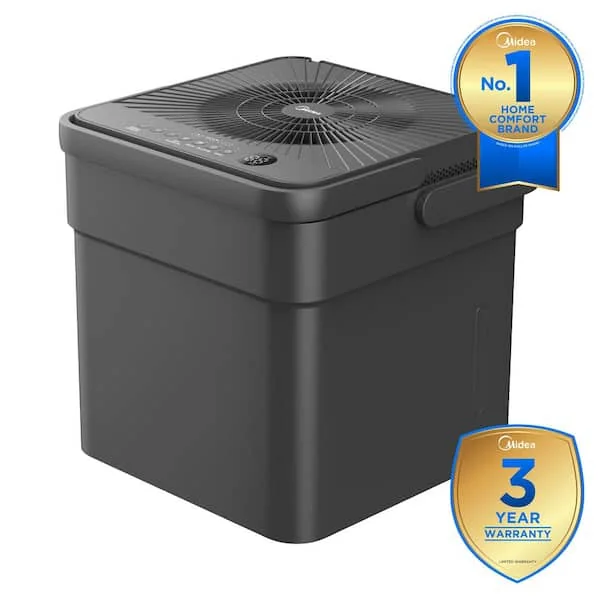
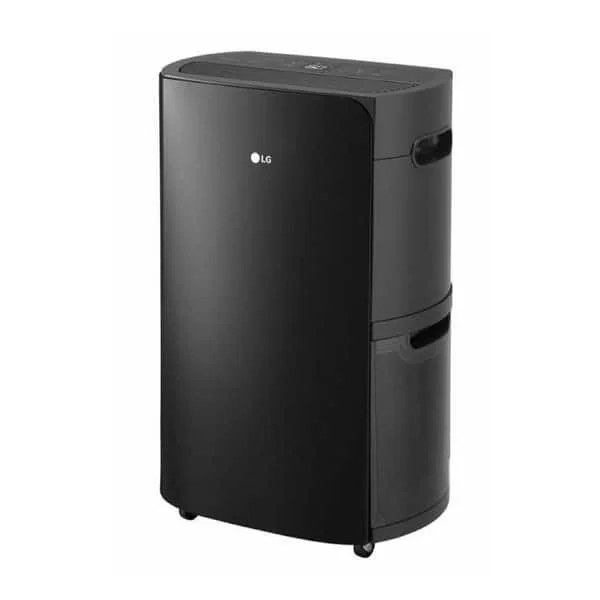
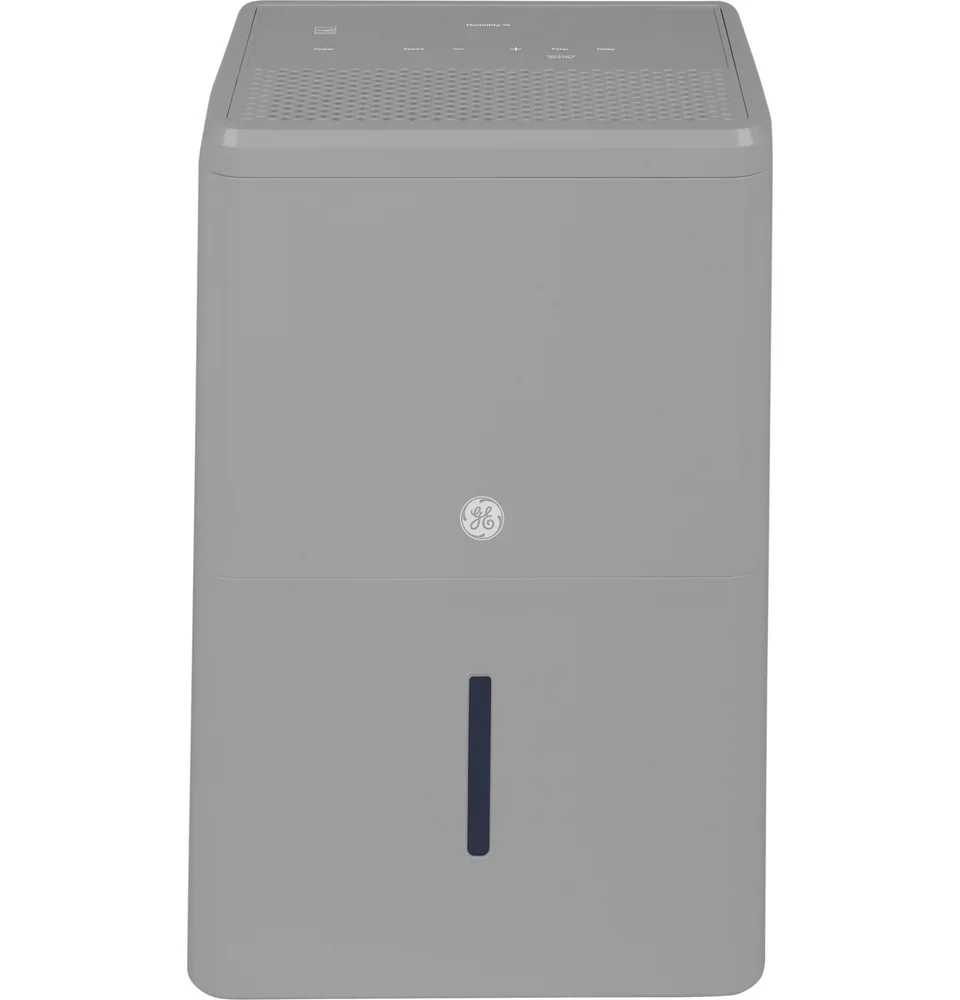
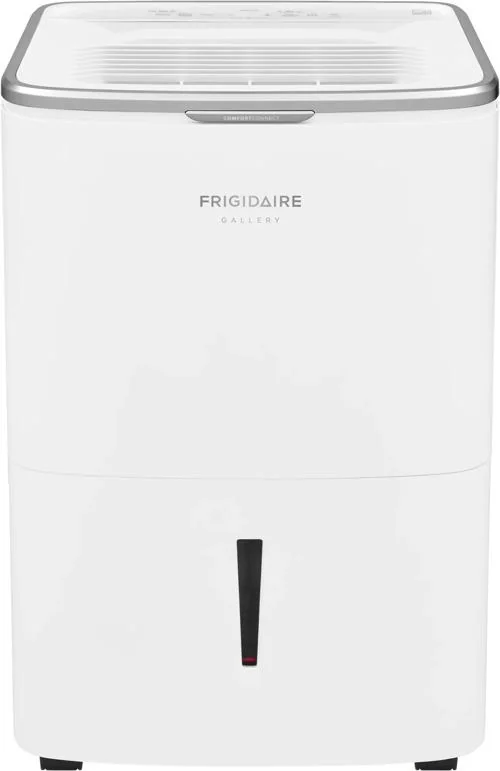
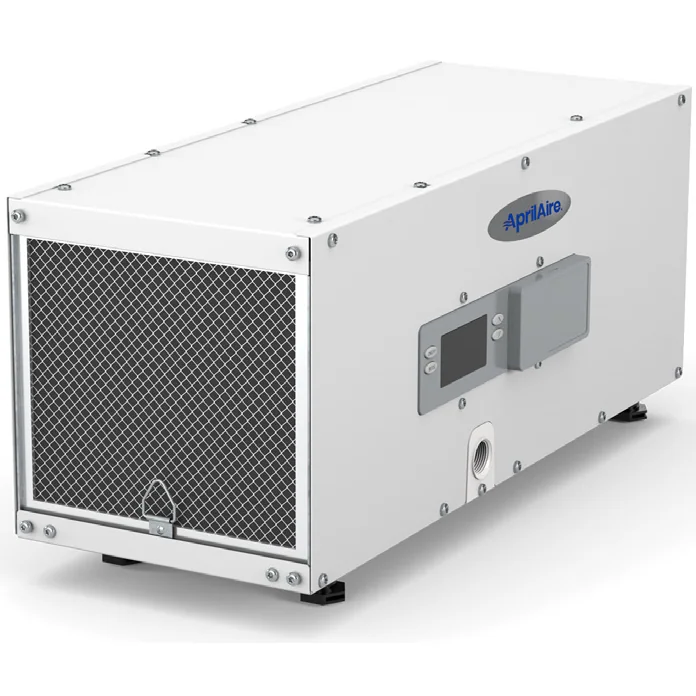
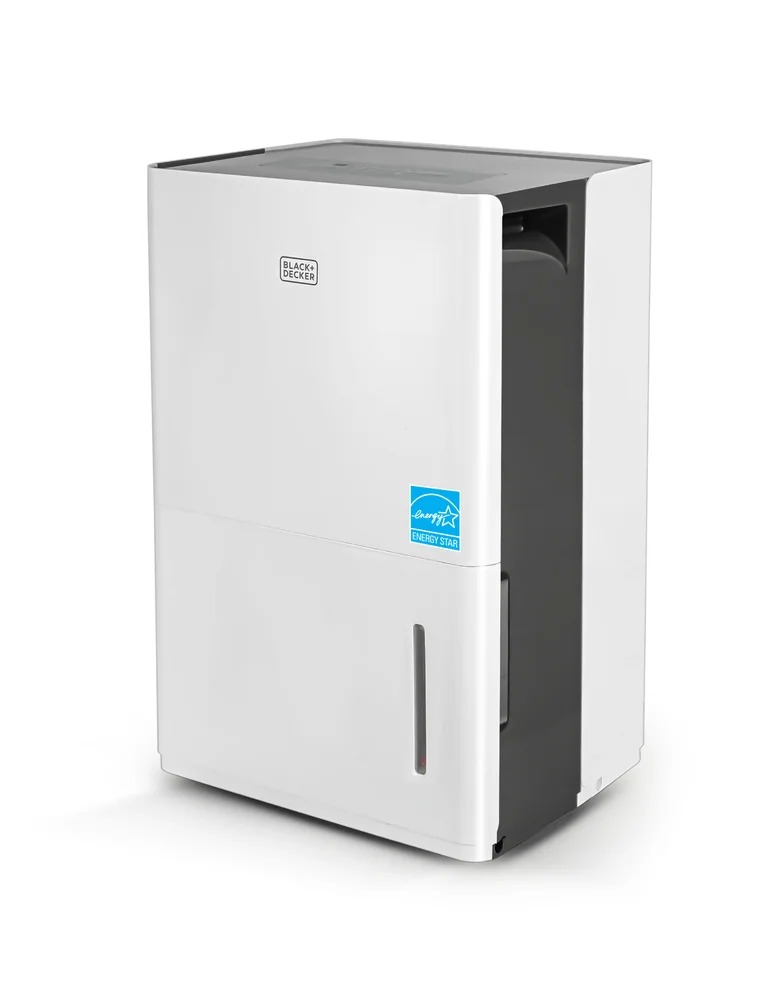
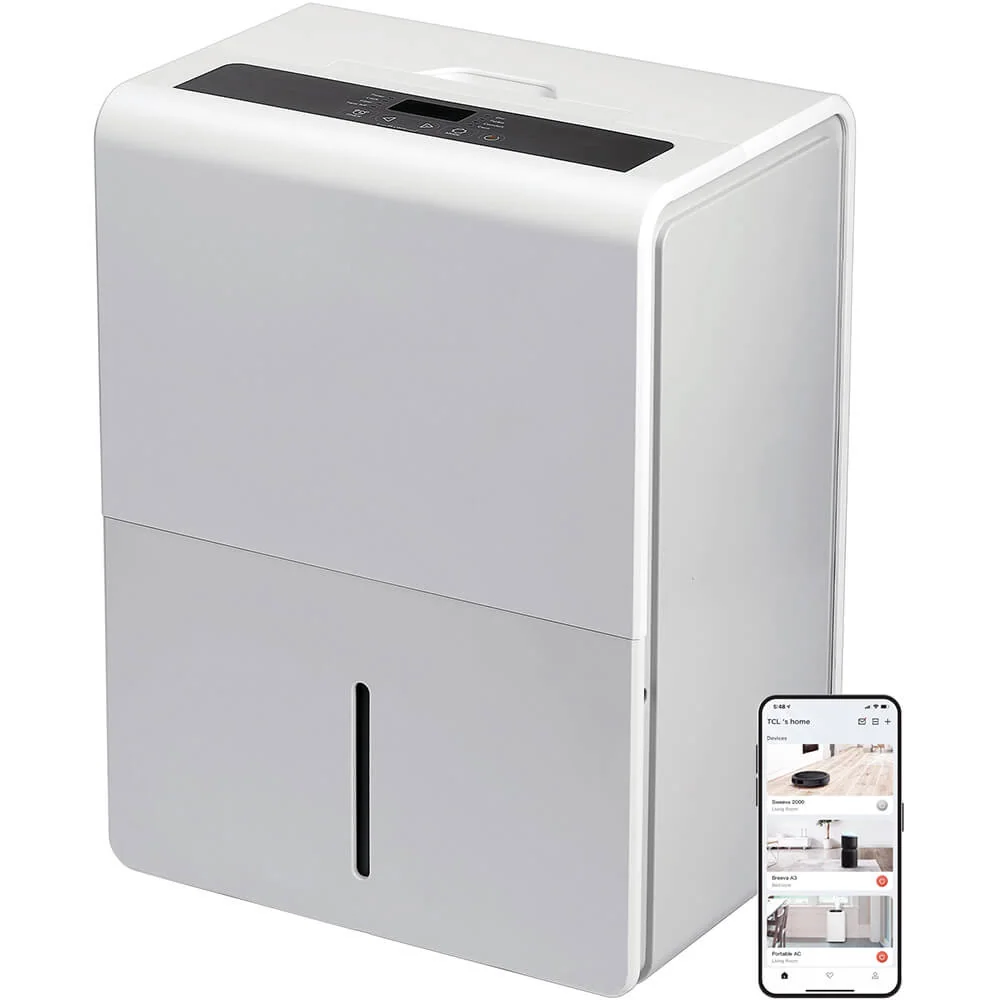
These are Pickori’s recommendations for the best dehumidifiers for basements in 2026, covering everyday whole-basement drying, smaller budget basements, easier off-season storage, and smart control when you want remote access.
Pickori may earn a commission from affiliate links.
FAQ
Should I buy a 30-pint or 50-pint dehumidifier for a basement?
A 50-pint dehumidifier usually fits typical basement humidity control, especially for whole-basement drying. A 30-pint model makes more sense for smaller basements, lighter dampness, or when you are mainly trying to improve one area without paying for extra capacity.
When do smart features actually matter on a basement dehumidifier?
Smart features matter when the basement is out of sight and you want remote access to check status or adjust settings without going downstairs. If you will set a target humidity and leave it alone, smart control tends to add complexity without changing the core drying job.
What makes the Midea 50 Pint Cube different from standard basement dehumidifiers?
It focuses on a cube-style design that prioritizes easier storage and a more manageable footprint. That matters if you put the dehumidifier away seasonally or you have limited space to park a bulky appliance.
How do I choose between mainstream 50-pint models like Honeywell, Hisense, GE, and LG?
Start with the one that best matches your priorities: a straightforward mainstream basement choice (Honeywell), a solid cross-shop alternative (Hisense), a familiar household brand (GE), or a premium-leaning appliance brand preference (LG). Since they sit in the same general size class, brand preference and availability often decide it.
Is AprilAire E050 a better choice for whole-basement coverage?
It can be, especially for small-to-medium basements, since it is rated around 1,600 square feet and aims at basement-relevant coverage. If your basement is larger than that, you should treat sizing as a deciding factor before committing.