
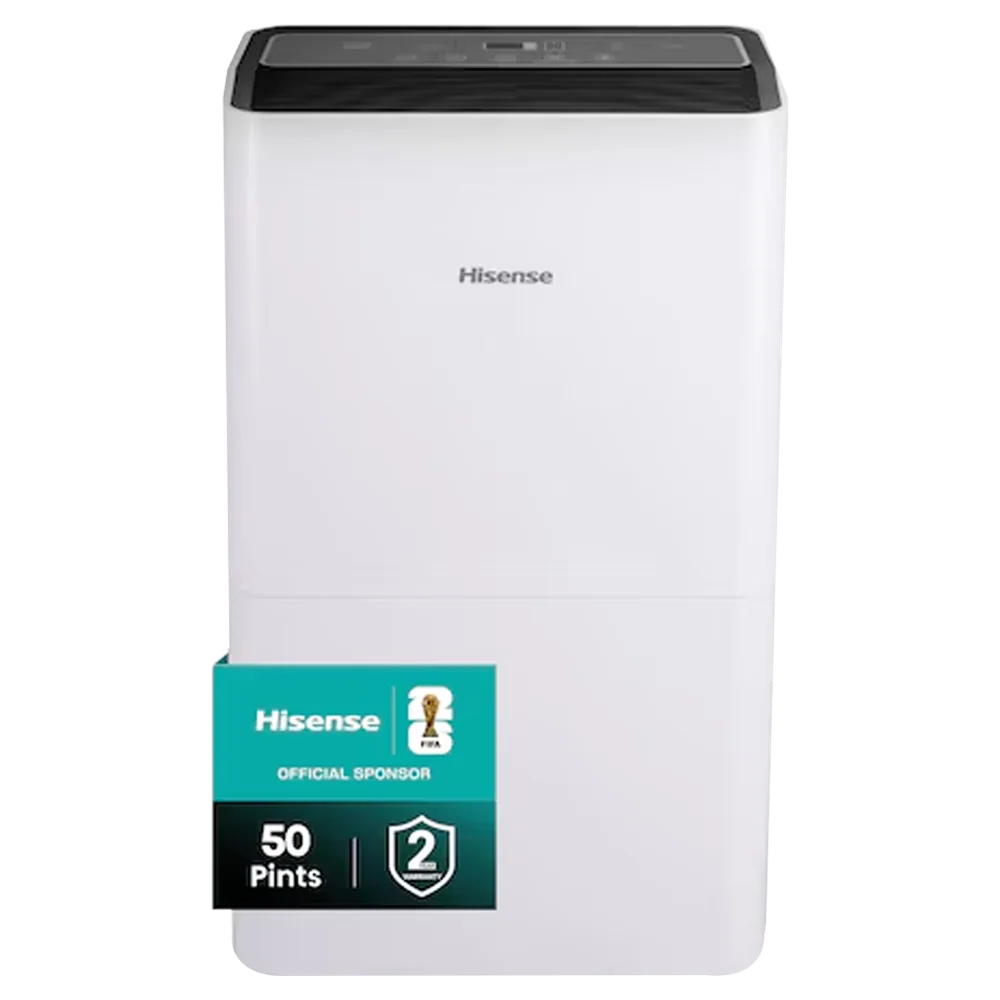
What to know first
- This is a standard 50-pint-per-day class dehumidifier meant for general basement drying.
- It is a mainstream alternative brand in the same category as other conventional 50-pint units.
- The 50-pint rating is a comparison tool under warm, humid conditions, not a promise for every cool basement.
- Continuous drainage depends on your setup. A gravity hose needs a steady downhill run to a drain, and a pump is a separate feature.
- Basement temperature matters. Cooler spaces can trigger defrost cycles that pause moisture removal.
What the Hisense 50-Pint Dehumidifier is
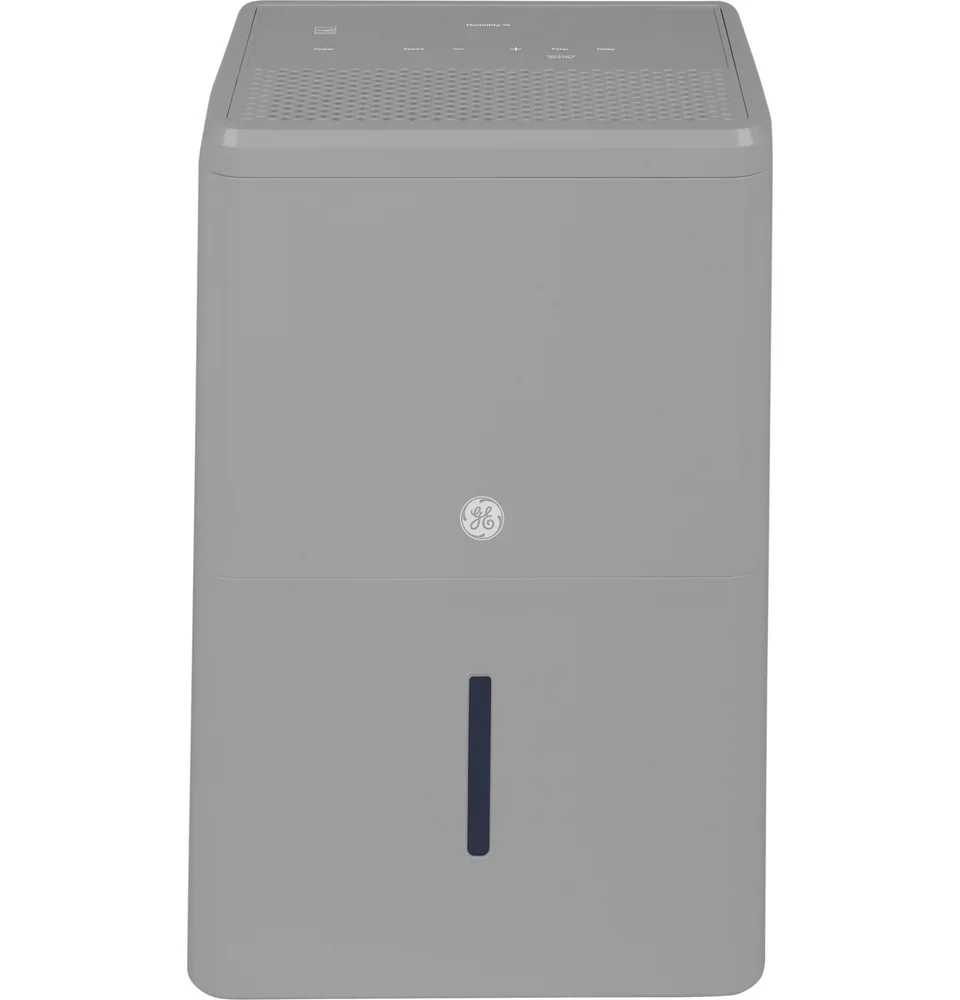
The Hisense 50-Pint Dehumidifier is a conventional compressor dehumidifier in the popular 50-pint size class. That category is built for the everyday problem most people are trying to solve: a basement that feels clammy, smells musty, or stays humid enough that cardboard boxes, fabrics, and stored items never really feel dry.
A 50-pint unit is typically what shoppers land on when a smaller bedroom unit is not enough, but they also do not want to jump to specialty whole-home equipment. In plain terms, it is the “set it up in the basement and let it run when the weather turns” kind of machine.
Hisense’s appeal here is simple: it gives you a mainstream brand option in the same core class as the familiar 50-pint models many people cross-shop. If you want to stay in the standard category but prefer to compare brands, this is the lane it fits.
Why it stands out
The main reason to buy the Hisense 50-Pint Dehumidifier is that it covers the basics of basement drying in a widely useful size class, while giving you a credible alternative to the most repeated brand names. If your goal is steady humidity control rather than a feature-heavy “smart” unit or a specialty design, that is exactly what it is aimed at.
The 50-pint-per-day rating is the key spec shoppers use to compare units, but it is not a guarantee of what you will see in your own basement. That rating is measured under standardized warm, humid conditions. In cooler basements or during shoulder seasons, real-world water removal typically drops and the unit may spend time in defrost cycles instead of actively pulling moisture.
In other words, this Hisense is best understood as a conventional, mainstream 50-pint dehumidifier for typical damp-basement control. If you need a machine that solves a specific ownership headache like pumping water up to a sink, or running for long stretches without bucket emptying, you will be happier shopping by those features instead of brand.
What it is like to own
Owning a standard 50-pint dehumidifier mostly comes down to two things: where the water goes and how often you want to think about it. If you use the bucket, you are committing to periodic emptying during humid weather. If you use a hose, you are committing to a good drainage path.
For continuous drainage to actually feel “set it and forget it,” you need a gravity drain setup that stays downhill the whole way to a floor drain or sink. If your basement does not have a convenient drain, or the only option is up and out, you are in pump territory. Not every 50-pint unit includes a pump, so confirm that before you buy if it is a must-have for your space.
Basements also run cooler than the rest of the house, and that changes how any compressor dehumidifier behaves. When coils get cold enough to frost, the unit has to pause to defrost. That is normal, but it means you should not judge performance only by the headline pint rating. The practical goal is stable, comfortable humidity over time.
What to know before you buy
Do not shop by “covers X square feet” marketing alone. Basements vary wildly in moisture load, air movement, and temperature. A partly finished basement with a leaky bulkhead door is a different job than a dry, conditioned basement with a dehumidifier running mainly for peace of mind.
Also, treat the 50-pint number as a comparison tool. It is useful for sorting models into a class, but it is measured in warmer, more humid conditions than many real basements. In cooler spaces, output falls and defrost cycles can interrupt dehumidifying.
Finally, continuous drainage is only continuous if your setup supports it. A hose connection is not the same thing as a built-in pump. If you cannot guarantee a downhill run to a drain, plan on bucket emptying or choose a model that explicitly includes a pump.
The specs that matter
This is the standard “basement size” category for many homes. It is a useful way to compare models, but real water removal usually drops in cooler or less humid rooms.
This model is aimed at steady humidity control in everyday damp-basement situations, not niche needs like a built-in pump or an oversized storage tank.
How you drain the water determines whether the dehumidifier feels low-maintenance. Gravity drainage needs a continuous downhill path to a drain. If you need to move water upward, you need a pump-equipped unit.
If your basement runs chilly, the unit can spend time defrosting instead of actively removing moisture. That is normal behavior and one reason real-world output can be lower than the rating.
If you want to cross-shop beyond the most familiar names but still want a conventional 50-pint machine, this is a sensible option.
Who this product fits
You have a typical damp basement that feels clammy in summer
The Hisense 50-Pint Dehumidifier is built for that steady, day-to-day job: running for long stretches during humid weather to keep basement humidity in a more comfortable range and reduce that lingering musty feeling.
You want a standard 50-pint unit but prefer to avoid the usual brands
If you are shopping the mainstream 50-pint class and simply want another credible brand option, this Hisense fits that role without pushing you into a specialty design or a smaller capacity.
You can set up a gravity drain to a floor drain
With a proper downhill hose run, a conventional 50-pint dehumidifier can drain continuously so you are not emptying a bucket every day during humid stretches.
What else to compare
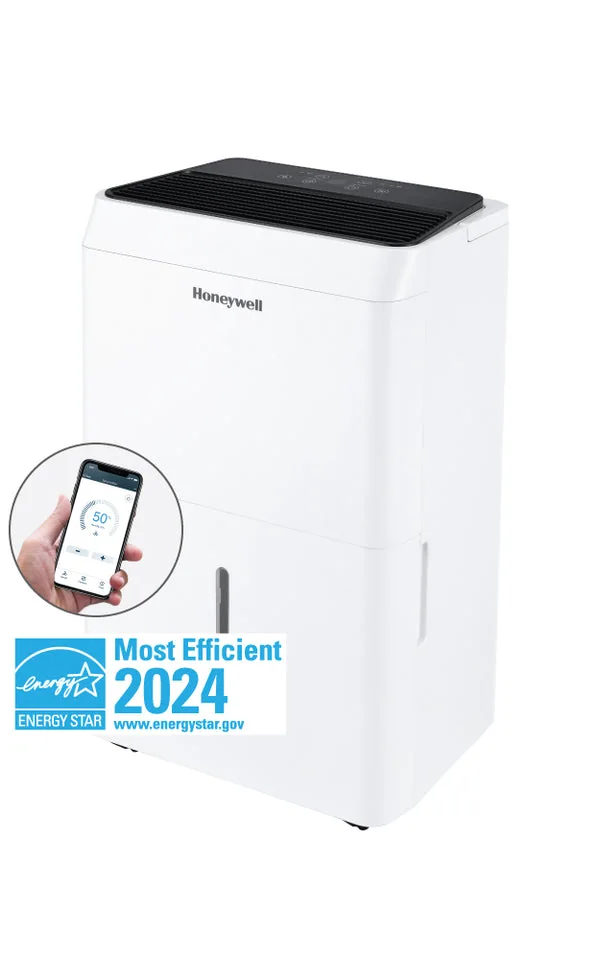
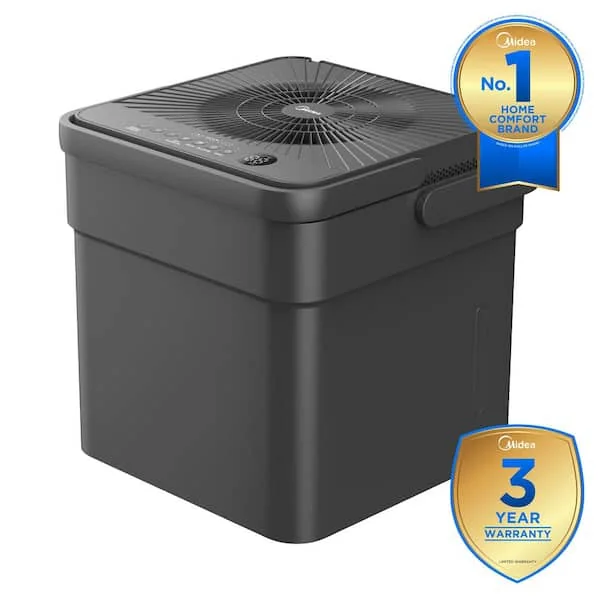
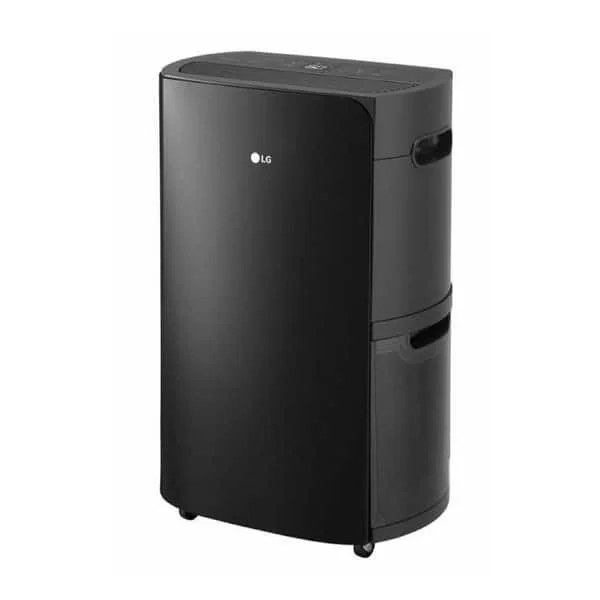
If you want the same general category but with a clearer feature advantage, these are the models to cross-shop.
Hisense 50-Pint Dehumidifier FAQ
Is the Hisense 50-Pint Dehumidifier big enough for a basement?
It is in the standard 50-pint class that many basement shoppers choose for general humidity control. Just remember the pint rating is measured under warm, humid conditions, so output can be lower in cooler basements.
What does 50 pints per day actually mean?
It is a standardized rating for how much water the unit can remove in a day under warm, humid test conditions. Use it to compare models in the same class, not as a promise for every basement temperature and humidity level.
Can I run the Hisense 50-Pint Dehumidifier continuously without emptying the bucket?
Only if you can drain it unattended. A hose setup needs a continuous downhill path to a floor drain or sink. If your drain route requires moving water upward, you will need a dehumidifier that includes a pump.
Why do dehumidifiers stop removing water in cold basements?
When the coils get cold enough, frost can form. The unit then pauses to defrost, which temporarily reduces moisture removal. Cooler basements can also reduce overall water removal compared with the headline rating.
Should I shop by square-foot coverage claims?
Treat coverage numbers as rough guidance at best. Moisture load, temperature, air movement, and layout matter more than floor area alone, especially in basements.
Should you buy the Hisense 50-Pint Dehumidifier?
Buy the Hisense 50-Pint Dehumidifier if you want a conventional, mainstream 50-pint unit for everyday basement humidity control and you like the idea of cross-shopping beyond the most familiar names. It is aimed at the core job most people need done: steady drying during humid weather.
Skip it if your basement setup demands a built-in pump or if you want a design that is specifically built to reduce bucket-emptying chores. In those cases, you will get a more satisfying ownership experience by choosing a model that is purpose-built around that feature, not just the standard 50-pint category.