
What to know first
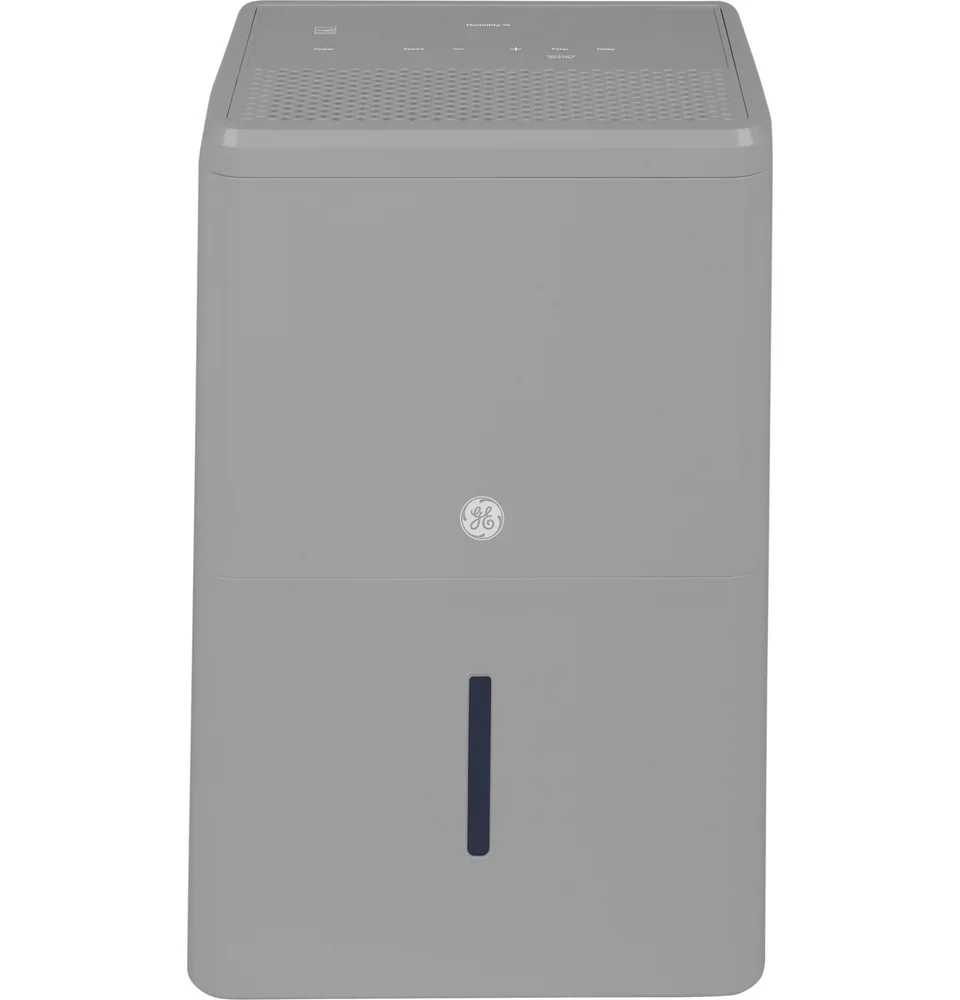
- This is a standard 50-pint dehumidifier, a common sweet spot for everyday basement humidity control.
- It makes the most sense when you want a familiar major appliance brand and conventional operation.
- Do not buy it expecting specialty features like a built-in pump or a cube-style extra-large tank.
- For unattended drainage, plan your setup first: gravity drain needs a continuous downhill hose run to a drain.
- “Pints per day” is a comparison rating, not a promise for every basement temperature and humidity level.
What the GE 50-Pint Dehumidifier is
The GE 50-Pint Dehumidifier is a compressor-based dehumidifier in the most common capacity class people buy for basements. “50 pints” is the category shorthand for a unit meant to pull a meaningful amount of moisture out of damp air during long humid stretches, not just take the edge off in a small bedroom.
In daily life, a dehumidifier like this changes how a basement feels and smells. When humidity stays high, basements tend to feel clammy, hold onto musty odors, and make stored items feel slightly damp. A properly sized unit runs for long periods, then cycles off once it hits your target humidity.
This GE model is best understood as a conventional, mainstream option. It is not a feature-max model with a built-in pump, and it is not built around a specialty high-capacity “cube” reservoir design. It is for people who want the normal version of a 50-pint dehumidifier from a familiar appliance name.
Why it stands out
The main reason to choose the GE 50-Pint Dehumidifier is simple: it gives you a standard 50-pint solution from a widely available major appliance brand. If you are the kind of shopper who wants a recognizable name on a long-running appliance, that matters.
The 50-pint class is also the practical middle of the market for basements. It is big enough to make a difference in typical basement humidity problems, but it is not a niche product that forces you into a specific workflow. You can run it with a bucket, or you can set up continuous drainage if your space has a convenient floor drain or sink and you can keep the hose sloped downhill.
What it does not try to be is just as important. If you are shopping because you are tired of emptying a small bucket, a cube-style design with a much larger internal reservoir is the more direct fix. And if your goal is to drain water unattended when the only drain is higher than the unit, you want a model with a built-in pump.
What it is like to own
Owning a 50-pint basement dehumidifier is mostly about routine. You pick a humidity set point, place the unit where air can circulate, and let it run for long stretches when the weather is humid. In a basement, that often means it runs a lot after rain, during muggy weeks, or when outdoor humidity stays high.
The biggest day-to-day decision is drainage. If you use the bucket, you will be emptying it whenever it fills, which can be frequent in a wet basement. If you use continuous drainage, you need a drain location and a hose path that stays downhill the whole way. Without that slope, gravity drainage will not work reliably.
Basement temperature also affects what you experience. Dehumidifiers can pause to defrost when coils get cold, which is normal behavior in cooler spaces. In a chilly basement, that can mean less water removal than you expected from the “50-pint” label, because that rating is based on warmer, more humid standardized conditions.
What to know before you buy
Do not shop by “covers X square feet” claims alone. Layout, airflow, how damp the walls and slab are, and how often outside air leaks in can matter more than floor area. A 50-pint unit is a solid default for many basements, but the real question is how much moisture your space is constantly feeding into the air.
Treat “50 pints per day” as a comparison tool, not a guarantee. The standardized rating is measured in warm, humid conditions. Many basements are cooler, and cooler air can reduce water removal and increase defrost cycling.
If you already know you want set-it-and-forget-it drainage, confirm whether the model you are buying includes a pump. “Continuous drainage” can simply mean it accepts a hose for gravity draining, which still requires the right physical setup.
The specs that matter
This is the common “basement size” category. It is meant for ongoing dampness control, not just occasional humidity spikes in a small room.
It helps you compare models, but real basements are often cooler and less humid than the rating conditions, so you may see less removal in practice.
If you cannot empty a bucket regularly, you need a drain and a continuous downhill hose run. If your drain is higher than the unit, you want a built-in pump model instead.
If you prefer buying long-running home appliances from a familiar brand with broad availability, that is a real shopping preference and can simplify replacement parts and support expectations.
Who this product fits
You have a typical damp basement and want a normal 50-pint unit
The GE 50-Pint Dehumidifier is a straightforward fit. You set a target humidity and let it run during humid stretches to keep the space from feeling clammy and musty.
You can run a hose to a floor drain and want fewer bucket trips
A conventional 50-pint unit like this can work well if you can keep the hose sloped downhill the whole way. That turns it into a mostly hands-off appliance during the wet season.
You want a familiar appliance brand for a long-running basement machine
If brand comfort is part of your decision, GE is the appeal here. You are buying a mainstream dehumidifier from a widely available major appliance name, not a niche design.
What else to compare
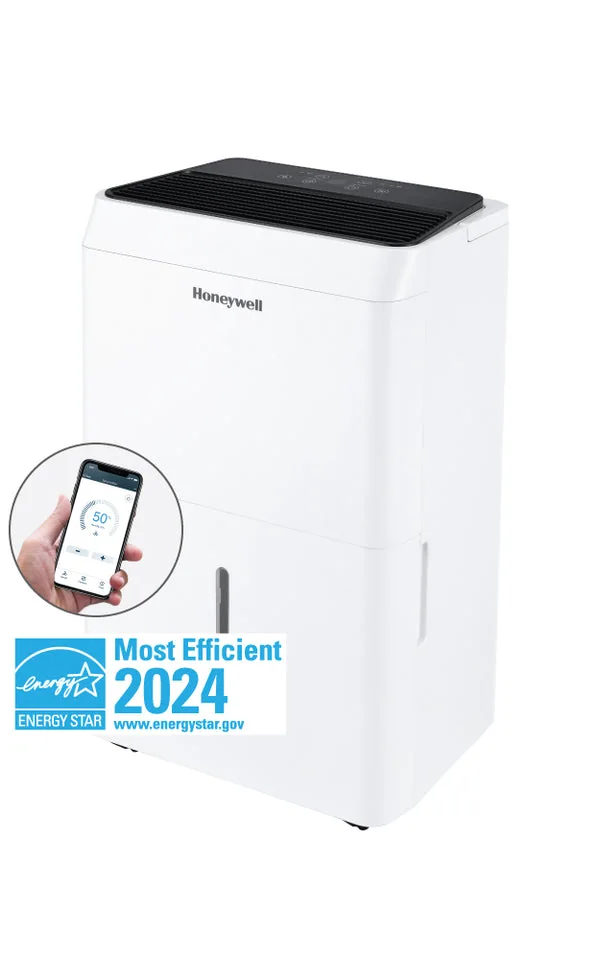
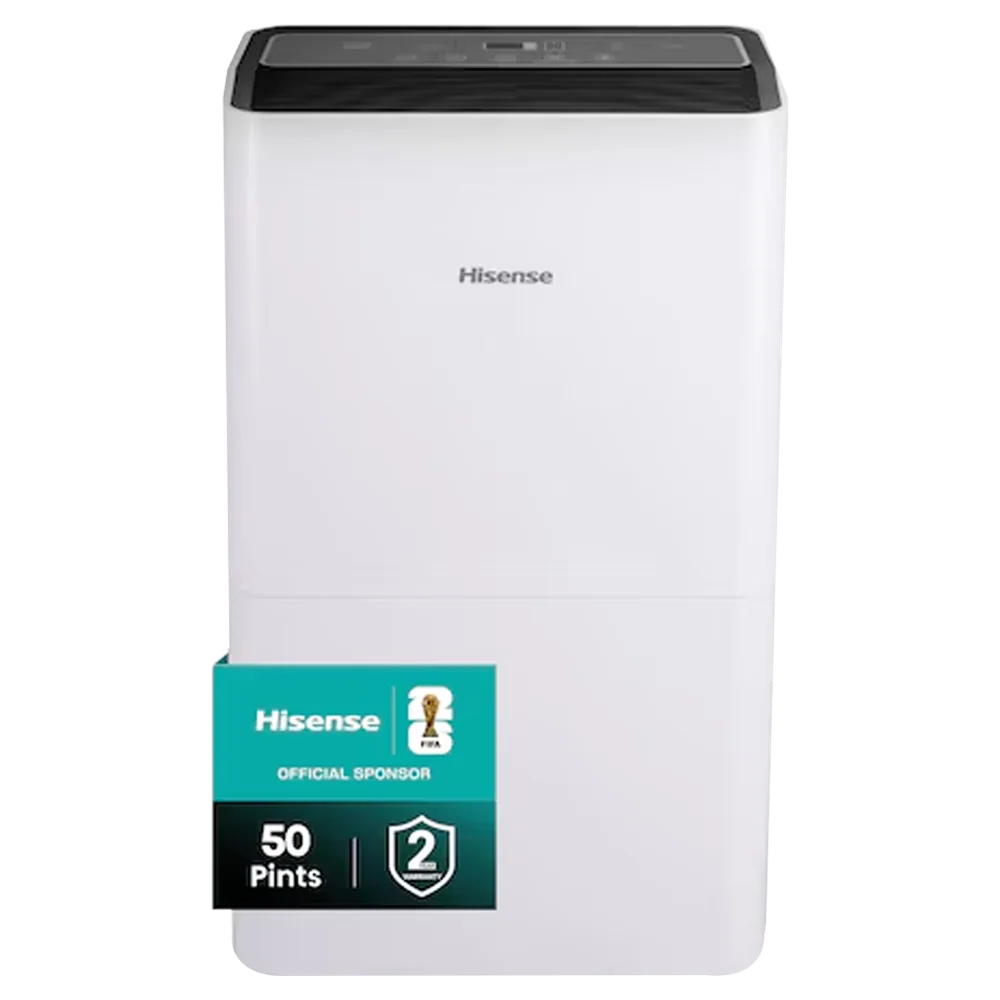
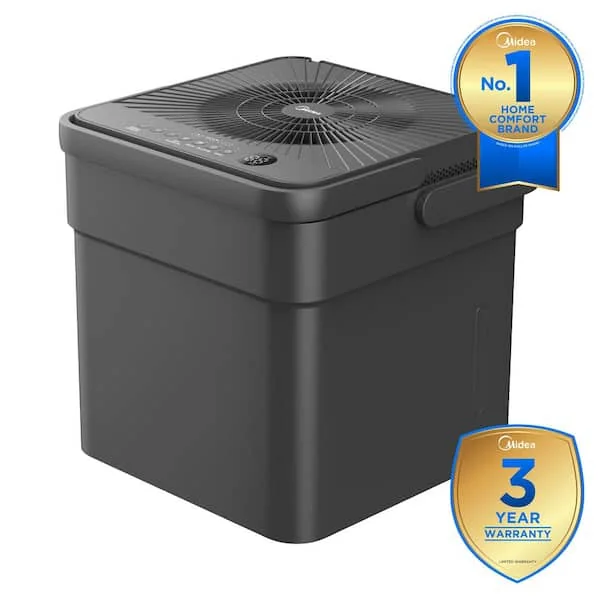
If you want a 50-pint dehumidifier but your basement setup demands a specific feature, one of these options may fit better.
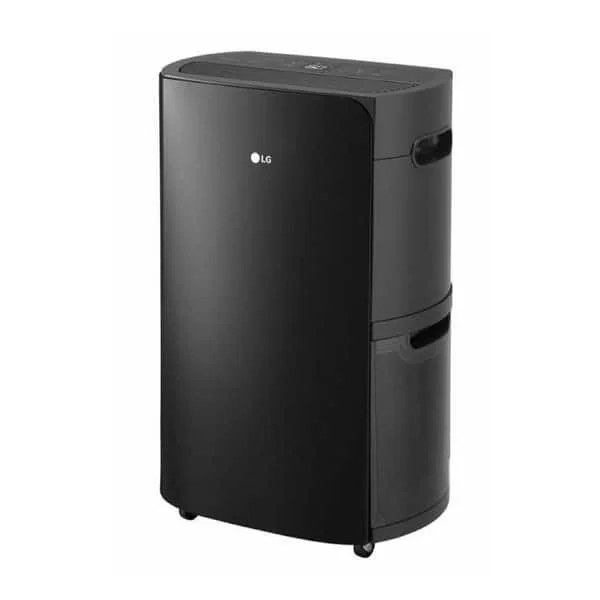
GE 50-Pint Dehumidifier FAQ
Is the GE 50-Pint Dehumidifier big enough for a basement?
A 50-pint unit is the standard category many people use for everyday basement dampness. Just remember the rating is measured in warm, humid conditions, so a cooler basement may see lower water removal and more defrost cycling.
Can the GE 50-Pint Dehumidifier run with continuous drainage?
Many conventional dehumidifiers can drain through a hose, but gravity drainage only works with a continuous downhill run to a drain. If you need to move water upward or across a room without slope, you should buy a model with a built-in pump.
What does “50 pints per day” actually mean?
It is a standardized water-removal rating used to compare dehumidifiers under warm, humid conditions. In real homes, output can be lower when the room is cooler or less humid, so treat it as a sizing guide rather than a promise.
Should I buy this GE model or a cube-style dehumidifier?
Choose the GE 50-Pint Dehumidifier if you want conventional operation and do not mind normal bucket emptying or setting up a gravity drain. Choose a cube-style design if your main frustration is frequent emptying and you want a much larger reservoir.
Do I need to worry about basement temperature with a dehumidifier?
Yes. Cooler basements can cause coils to frost, and dehumidifiers may pause periodically to defrost. That can reduce effective water removal compared with the headline rating, so low-temperature behavior is worth confirming for any basement purchase.
Should you buy the GE 50-Pint Dehumidifier?
Buy the GE 50-Pint Dehumidifier if you want a conventional 50-pint basement dehumidifier from a familiar major appliance brand and you do not need specialty features. It is a sensible choice for keeping everyday basement humidity under control during long humid stretches.
Skip it if your basement needs truly unattended drainage or your drain setup is awkward. In that case, a 50-pint model with a built-in pump is the smarter buy. And if you are mainly trying to avoid frequent bucket emptying, a cube-style unit with a much larger reservoir will change your day-to-day routine more than a brand name will.