
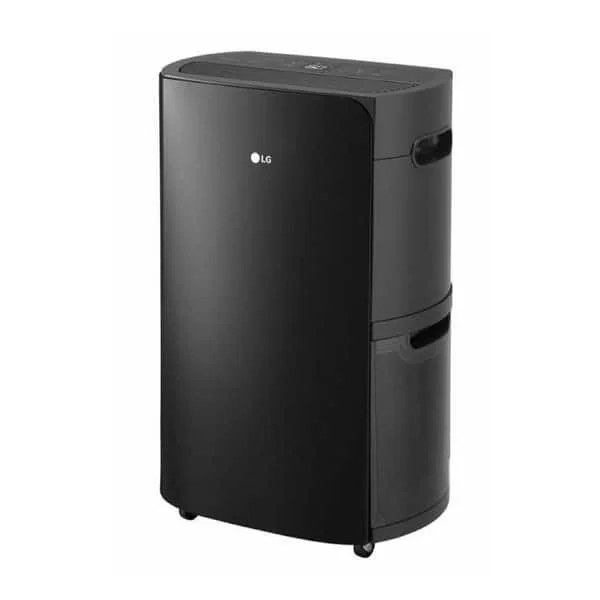
What to know first
- This is a 50-pint dehumidifier, a practical capacity class for many basements.
- The main reason to buy is brand preference: LG is a recognizable premium appliance brand.
- Real-world water removal depends heavily on basement temperature and humidity, not just the pint rating.
- “Continuous drainage” only works if you can run a hose with a consistent downhill slope to a drain (unless a pump is included, which is not confirmed here).
- If you want fewer trips to empty a bucket and easier storage, a cube-style alternative is the better match.
What the LG 50-Pint Dehumidifier is
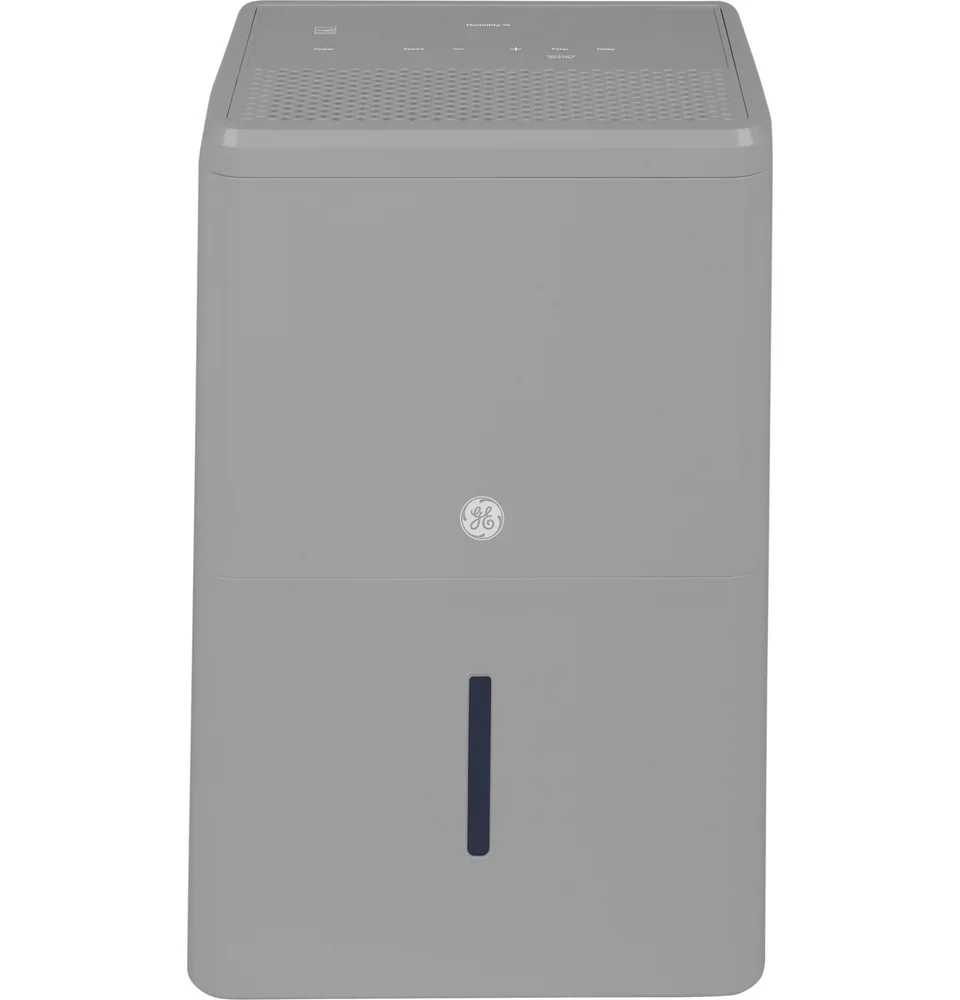
The LG 50-Pint Dehumidifier is a portable, compressor-based dehumidifier meant to pull moisture out of indoor air and collect it as water. In daily life, that usually means a less musty basement, fewer damp-feeling days, and a better shot at keeping humidity below the range where mold and mildew are more likely to take off.
The key spec is right in the name: 50 pints per day. That rating is measured under standardized warm, humid conditions. It’s useful for comparing models, but it’s not a promise of what you’ll see in a cooler basement. In many basements, output drops because the air is cooler and holds less moisture.
This LG fits the common “standard box” style of dehumidifier rather than the newer cube-style format. If you’ve owned a dehumidifier before, the workflow will feel familiar: set a target humidity, let it run, and either empty the bucket or route a hose to a drain if your space allows it.
Why it stands out
The reason to pay for the LG 50-Pint Dehumidifier is simple: you want an LG badge on a basement appliance that may run for long stretches. If you’re the kind of shopper who sticks with a mainstream appliance brand for fridges, laundry, and TVs, this is the same instinct applied to a dehumidifier.
It also lands in the practical 50-pint range for basement use. That matters because basements are often the hardest place in the house for a dehumidifier to keep up. They can be damp, they can be cool, and they often have limited airflow. A smaller-capacity unit can still help, but it may run constantly and still struggle during long humid stretches.
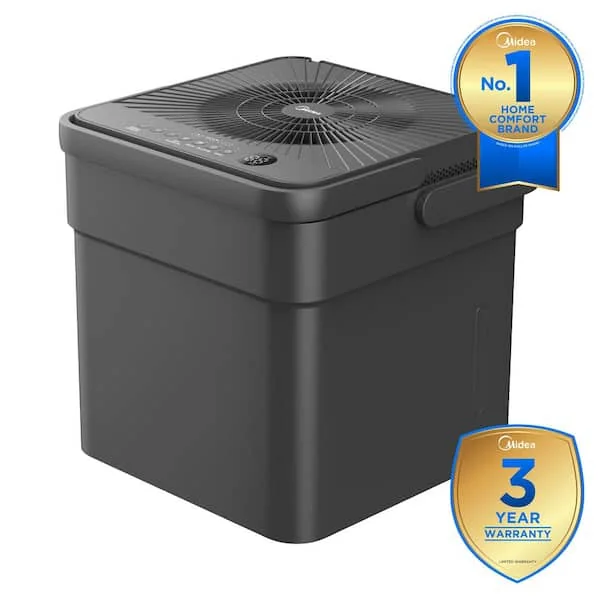
If you’re comparing it to storage-friendly designs, know what you’re choosing. A cube-style dehumidifier is built around a much larger water container, which can mean fewer trips to empty it. The LG is the more conventional approach: familiar shape, familiar workflow, and a familiar brand.
What it is like to own
Day to day, owning a basement dehumidifier is mostly about two things: where the water goes and how often you have to think about it. If you plan to empty a bucket, you’ll be interacting with the machine regularly during humid weather. If you can drain it continuously, it becomes more of a set-it-and-forget-it appliance.
Before you buy, look at your basement like a plumber would. Gravity drainage needs a continuous downhill run from the dehumidifier to a floor drain, sump, or sink. If the drain is higher than the unit, you typically need a pump to move water upward. A listing that mentions “continuous drainage” does not automatically mean a pump is included, so confirm what comes in the box for the exact model you’re buying.
Basement temperature also changes the experience. Cooler basements can cause the coils to frost, which triggers defrost behavior that pauses dehumidifying periodically. That’s normal for the category, but it’s one reason a basement unit can feel like it’s working hard without pulling as much water as you expected from the pint rating.
Noise and energy use matter because these machines can run for long periods when humidity is high. If your dehumidifier sits near a finished living area, sound can be the difference between “background appliance” and “annoying roommate.”
What to know before you buy
Don’t shop this category by “covers thousands of square feet” claims. Layout, moisture load, temperature, and air movement matter more than floor area alone. A smaller, closed-off basement room with seepage can be harder to dry than a larger, open finished basement that stays warmer.
Treat the 50-pint rating as a comparison tool, not a guarantee. The standardized condition is warmer and more humid than many real basements, so it’s common for real-world removal to be lower in cooler spaces.
Finally, drainage is everything. A dehumidifier that can’t drain unattended is a chore during peak humidity. If you do not have a clear gravity-drain path and you do not have a pump solution, you may end up emptying the bucket far more often than you want.
The specs that matter
This is the most common “basement size” for portable units. It’s generally aimed at sustained moisture control, not just occasional dampness.
In a cooler basement, the unit typically pulls less water than the rating suggests. Use the number to compare models, not to predict exact daily output.
If you can drain continuously, you avoid frequent bucket emptying during humid stretches. Without a pump, the hose needs a steady downhill slope.
In chilly basements, a dehumidifier may pause periodically to defrost, which reduces water removal and can make humidity control slower.
If you value buying from a familiar, established appliance maker, that’s the main reason to choose this model over another similar 50-pint unit.
Who this product fits
You want a normal basement dehumidifier from a brand you already trust
The LG 50-Pint Dehumidifier gives you a standard 50-pint basement machine with a familiar appliance brand behind it, without pushing you into a smaller capacity just to get a name you recognize.
Your basement gets muggy for weeks at a time in summer
A 50-pint class unit is built for sustained runs during humid weather. Set a target humidity and let it cycle as needed, ideally with a continuous drain so you are not emptying a bucket constantly.
You are deciding between standard and cube-style designs
Pick the LG if you want the conventional format and are mainly choosing by brand. If you want fewer bucket trips and a storage-focused design, a cube-style alternative is the better fit.
What else to compare
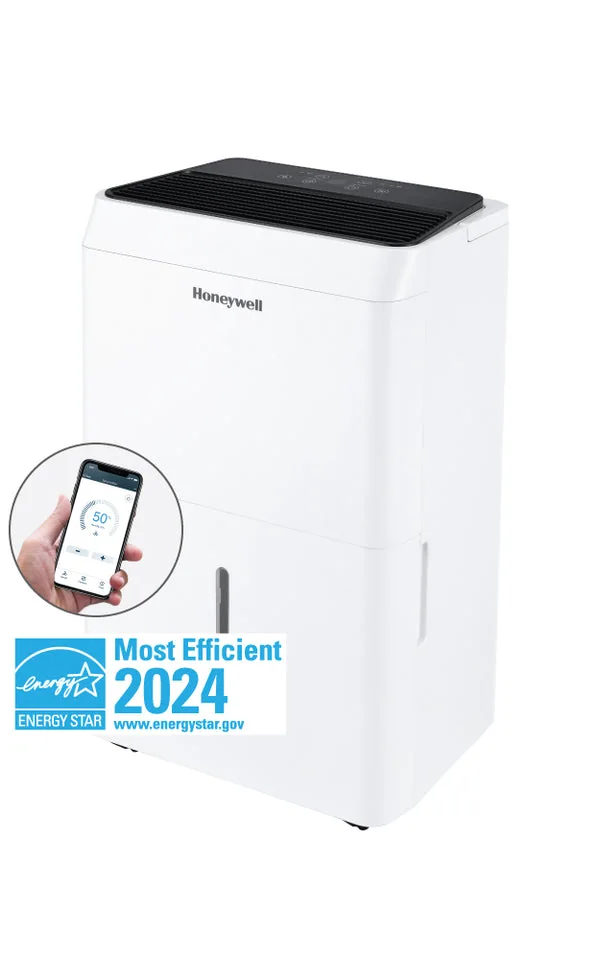
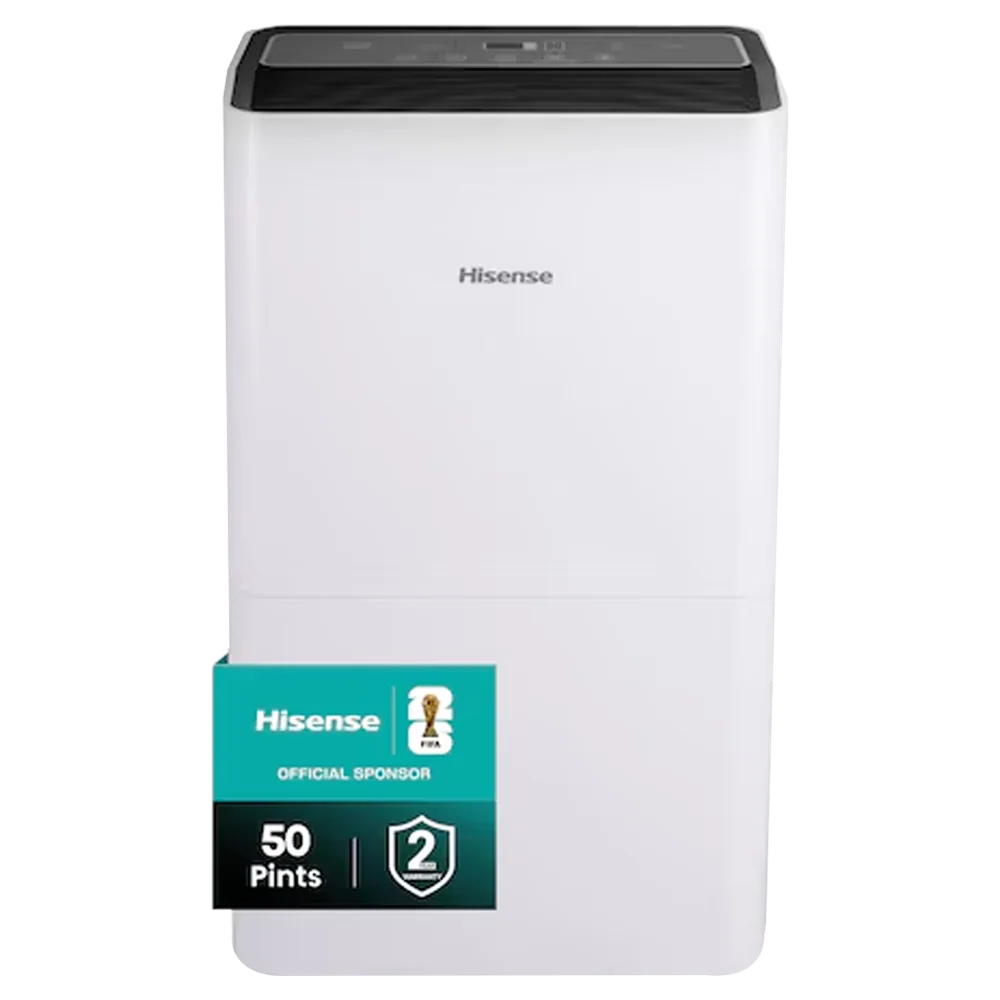
If you want the same general basement capacity with a different priority, these are the closest alternatives to compare.
LG 50-Pint Dehumidifier FAQ
Is a 50-pint dehumidifier the right size for a basement?
For many homes, yes. The 50-pint class is commonly used for everyday basement humidity control because basements tend to be damp and can require long run times. If your space is only mildly humid, a smaller unit can work, but it may run more often.
Will the LG 50-Pint Dehumidifier really remove 50 pints per day?
That number is a standardized rating under warm, humid conditions. In a cooler basement, real water removal is usually lower. Use the rating to compare models in the same class, not as a daily promise.
What does “continuous drainage” mean for a basement setup?
It means the dehumidifier can send water out through a hose instead of relying only on a bucket. If it is gravity drain, the hose needs a continuous downhill slope to a floor drain, sump, or sink. If your drain is higher than the unit, you typically need a pump, which is not confirmed as included here.
Why do dehumidifiers struggle more in cool basements?
Cooler air holds less moisture, and the dehumidifier’s coils can frost. When frosting happens, the unit periodically pauses to defrost, which reduces how much water it can pull during that time.
Should I shop by square-foot coverage claims?
Not by itself. Moisture load, temperature, airflow, and how open the layout is matter more than floor area alone. Two basements with the same square footage can need very different dehumidifier capacity depending on dampness and temperature.
Should you buy the LG 50-Pint Dehumidifier?
Buy the LG 50-Pint Dehumidifier if you want a straightforward basement dehumidifier in the practical 50-pint class and you care about buying from a recognizable premium appliance brand. It’s a clean, conventional choice for the job most people actually need done: keeping basement humidity in check through humid stretches.
Skip it if your biggest pain point is bucket emptying and storage convenience. In that case, a cube-style 50-pint alternative is built around a larger water container and a different ownership experience. And no matter which way you go, plan your drainage before you click Buy. That’s what determines whether a dehumidifier feels like an appliance or a chore.