
What to know first
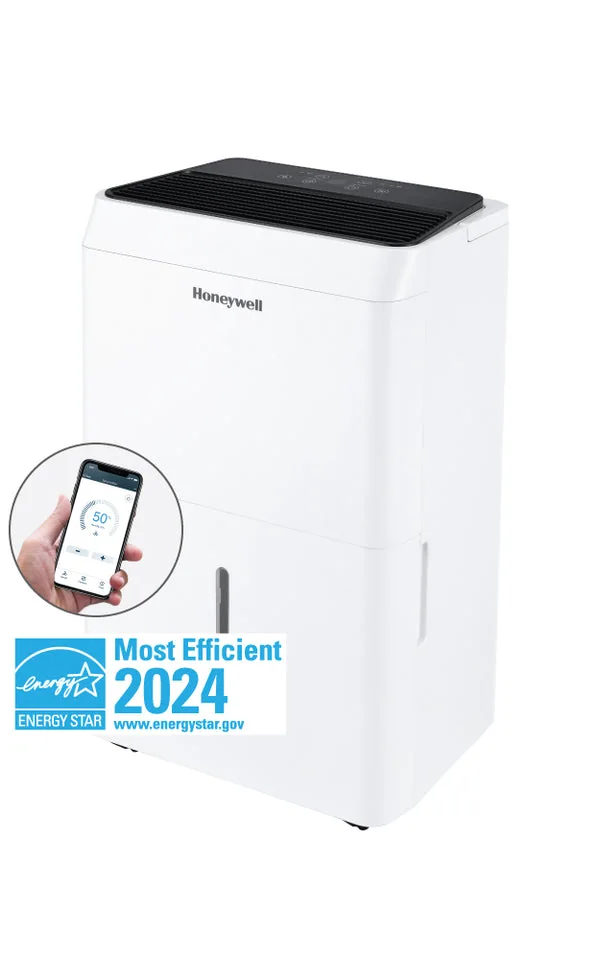
- This is a mainstream 50-pint dehumidifier aimed at the most common basement use case: ongoing humidity control.
- Drainage is the real decision. Gravity drain works only if you can run a hose downhill to a drain. A pump model can send water up and out.
- The Honeywell 50-Pint Dehumidifier with Built-In Pump is the set-it-and-forget-it choice for basements where a downhill drain isn’t practical.
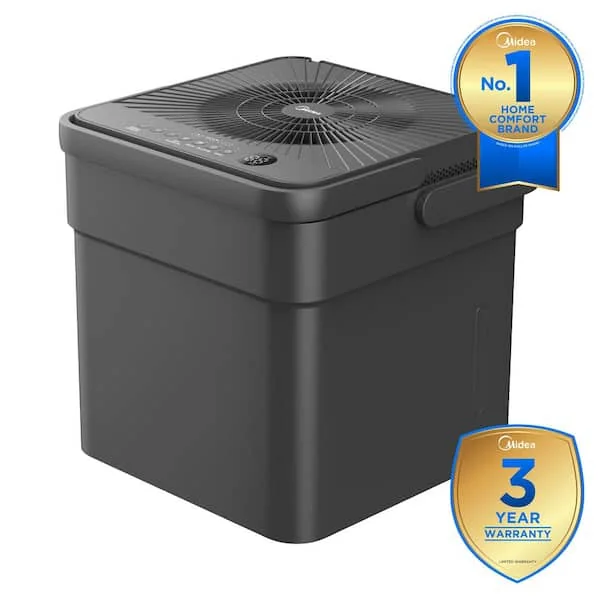
- If you’re comparing to the Midea 50 Pint Cube, the Cube’s big bucket design is the reason people buy it (fewer emptying trips).
- Don’t overthink “covers X square feet” claims. Basement temperature, moisture load, and layout matter more than the number on the box.
What the Honeywell 50-Pint Dehumidifier is
The Honeywell 50-Pint Dehumidifier is a compressor-style dehumidifier meant to pull moisture out of the air in damp areas like basements and large rooms. The “50-pint” rating is the standard way this category is sized. It’s a comparison tool that helps you shop, not a promise that every basement will get that exact water removal every day.
In daily life, a 50-pint unit is usually the point where a dehumidifier stops feeling like a small appliance and starts feeling like a real basement tool. It can make a space feel less clammy, cut down that lingering musty vibe, and help keep humidity from sitting in the mold-friendly range for long stretches.
Honeywell also sells a closely related version with a built-in pump. That pump is not a minor add-on. It changes where you can put the machine and whether you can run it unattended, because it can move collected water to a drain even when you can’t rely on a simple downhill hose run.
Why it stands out
The main reason to buy the Honeywell 50-Pint Dehumidifier is that it’s a straightforward, mainstream answer to a very common problem: a basement that stays damp. You’re not buying a quirky design or a feature experiment. You’re buying a conventional dehumidifier in the size class many homeowners shop for first.
If you step up to the Honeywell 50-Pint Dehumidifier with Built-In Pump, the pump becomes the headline feature. It’s designed for continuous drainage, including sending water upward or across to a drain (up to 15 feet). That’s exactly what makes a pump model worth paying for in basements and crawl spaces where the nearest drain is higher than the floor or across the room.
Basements can also be chilly, and cold coils can frost up. The pump version is described as having a frost control sensor that shuts the unit off when the temperature dips below 40°F, which helps avoid wasting energy when conditions aren’t friendly to dehumidifying. (In a cooler basement, any dehumidifier may pause periodically to defrost.)
One more practical plus on the pump version: it’s described as having a clear display with intuitive controls and a front-facing bucket with a handle, which matters when you’re doing routine emptying and cleaning.
What it is like to own
Owning a basement dehumidifier is mostly about two routines: setting a target humidity and dealing with water. You’ll typically set it and let it cycle on and off for long stretches during humid weather. That’s why noise and energy use matter more here than they do for a gadget you run for 10 minutes at a time.
Water handling is where the experience either feels easy or feels annoying. If you use the bucket, you’re committing to carrying water to a sink. If you use a hose for continuous drainage, you’re committing to getting the hose routing right. Gravity drainage only works with a continuous downhill path to a floor drain or sink, so the placement of the machine matters.
If your basement layout makes gravity drainage a hassle, the Honeywell 50-Pint Dehumidifier with Built-In Pump is built for that exact situation. A pump model is the difference between “I empty this thing all the time” and “it just runs.”
For cleaning and upkeep, the pump version is described as being easy to take apart and clean with an accessible front bucket. That’s the kind of detail that matters after a few months, when dust and basement grime start to build up.
What to know before you buy
First, don’t buy based on “covers thousands of square feet” marketing. Floor area is a rough hint at best. Moisture load, basement temperature, air movement, and whether the space is chopped up into rooms can change the outcome more than the square footage number.
Second, treat “50 pints per day” the same way. That rating is measured under standardized warm, humid conditions. Many basements are cooler, and real-world water removal can drop. The right way to use the number is to compare models in the same class, not to assume you’ll always see that output.
Third, confirm your drainage plan before you click buy. Continuous drainage is only continuous if your hose setup actually works in your space. If you cannot run a hose downhill to a drain, skip the frustration and buy the pump version.
The specs that matter
This is the most common size class people shop for basements and large rooms. It’s generally enough to make a noticeable difference in damp air, but the real output depends on temperature and humidity.
A pump lets the unit drain continuously even when the drain is higher than the machine or not right next to it. That’s what makes a basement setup feel hands-off.
This gives you flexibility to reach a sink, drain, or window without perfect placement. It’s the difference between “where can I put the dehumidifier?” and “where do I want it?”
If you don’t use a hose or pump drainage, tank size determines how often you’ll be emptying. A smaller tank means more trips to the sink during humid stretches.
Cool basements can cause coils to frost. A frost control approach helps avoid running hard when conditions aren’t right for pulling moisture efficiently.
You’ll interact with a basement dehumidifier mostly through quick adjustments and status checks. Clear controls make it easier to set a target humidity and confirm it’s doing what you expect.
This is a reminder that placement matters. You want it near the problem area and near a drain plan you can live with, because you’re not going to enjoy moving it around often.
Who this product fits
You have a typical damp basement with a floor drain nearby
The Honeywell 50-Pint Dehumidifier makes sense as a conventional 50-pint basement unit. If you can run a hose downhill to the drain, you can set it up for continuous drainage and avoid frequent bucket emptying.
Your basement has no easy downhill drain
Skip the standard setup and buy the Honeywell 50-Pint Dehumidifier with Built-In Pump. The pump is designed to move water up or across to a drain (up to 15 feet), which is what you need for true unattended operation.
You want a familiar brand and don’t care about smart features
This Honeywell is a comfortable, mainstream choice in the size class most people shop for. It’s a good baseline dehumidifier purchase when you want simple humidity control without making the decision complicated.
You hate emptying buckets and want fewer trips to the sink
Consider a design built around a larger reservoir, like the Midea 50 Pint Cube. The big bucket concept is specifically about reducing how often you have to deal with water, which can matter more than small feature differences.
What else to compare
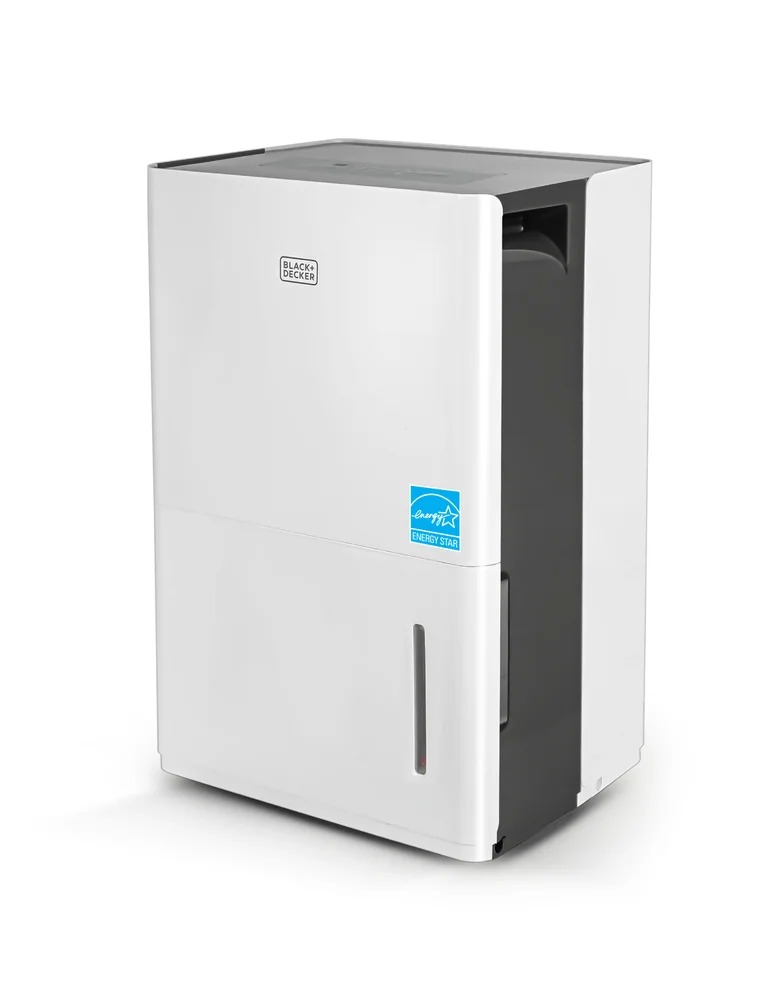
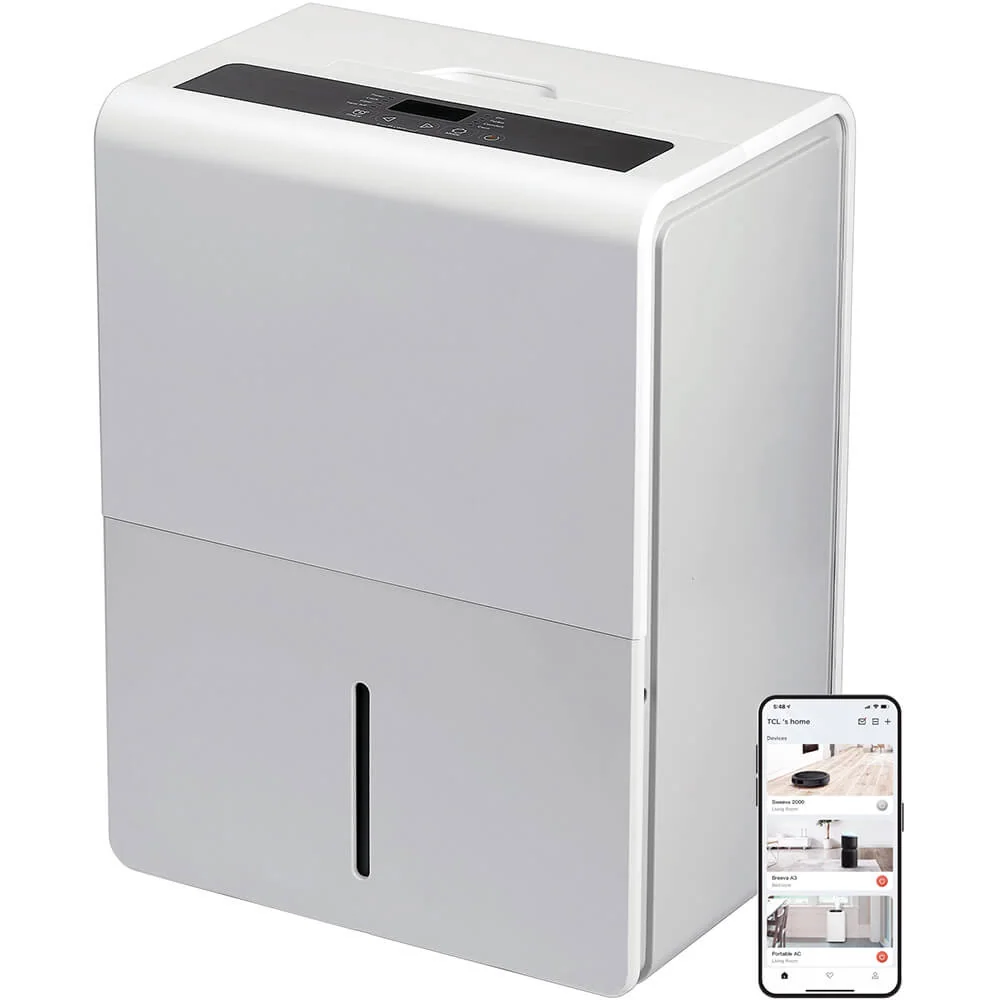
If the Honeywell 50-Pint Dehumidifier isn’t the right fit, these are the models that make the most sense to compare against it.
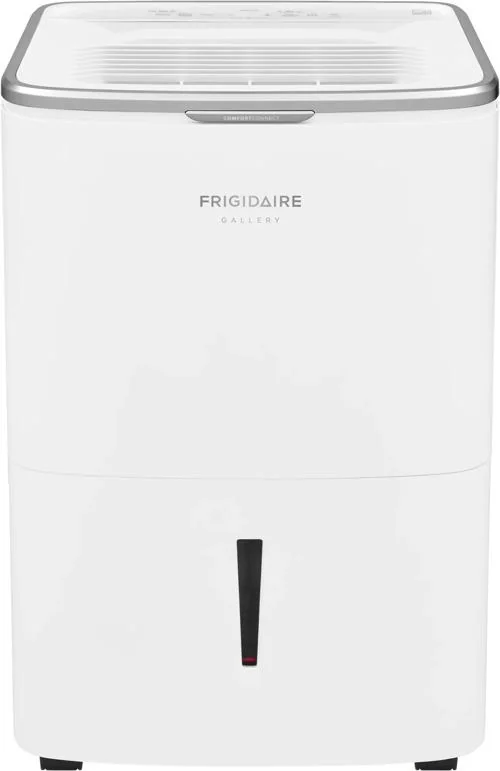
Honeywell 50-Pint Dehumidifier FAQ
Is a 50-pint dehumidifier enough for a basement?
For many basements, the 50-pint class is the practical sweet spot for everyday humidity control. Just remember the pint rating is measured in warm, humid conditions, so a cooler basement may see lower real-world water removal.
Should I buy the Honeywell 50-Pint Dehumidifier or the pump version?
Choose the pump version if you can’t run a hose downhill to a drain or you want the most hands-off setup. If you have a floor drain or sink that allows gravity drainage, the standard version can work fine.
What does “continuous drainage” really mean?
It means the dehumidifier can send water out through a hose instead of filling a bucket you have to empty. With gravity drainage, the hose must run continuously downhill. With a pump, the unit can move water upward or across to reach a drain.
Do dehumidifiers work in cold basements?
They can, but colder temperatures can lead to coil frosting and more frequent defrost pauses. The Honeywell pump model is described as using a frost control sensor that shuts the unit off when temperatures dip below 40°F.
Should I shop by square footage coverage claims?
No. Layout, airflow, moisture load, and temperature matter more than floor area alone. Use capacity class (like 50-pint) and your drainage plan as the more reliable shopping filters.
Should you buy the Honeywell 50-Pint Dehumidifier?
Yes, if you want a straightforward 50-pint basement dehumidifier from a familiar brand and you’re mainly trying to get rid of that damp, musty basement feel. It’s a sensible mainstream choice in the size class many homeowners end up buying.
Make the decision based on drainage. If you can gravity drain, the standard Honeywell 50-Pint Dehumidifier can be a simple, conventional solution. If you can’t, the Honeywell 50-Pint Dehumidifier with Built-In Pump is the version that actually fits real basements, because it’s built to run continuously without you babysitting a bucket.