
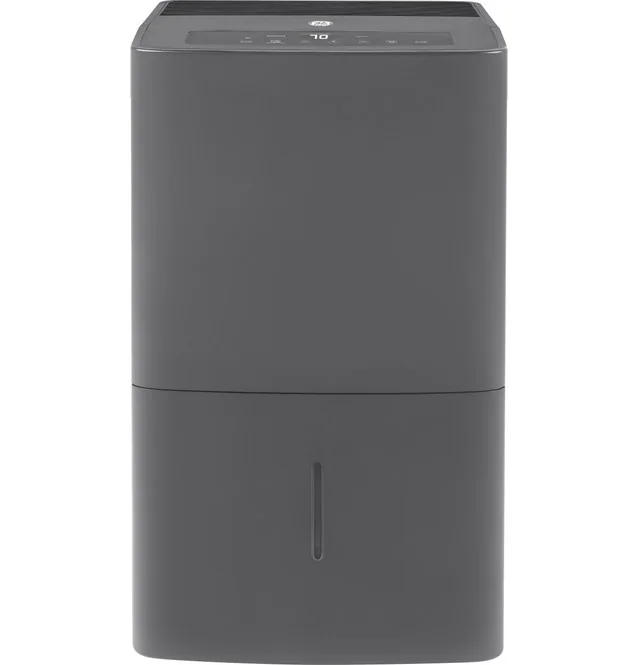
What to know first
- 70-pint per day class (AHAM-style rating) for heavy-duty household dehumidifying.
- Large 17.5-pint bucket means fewer trips to the sink when you’re not using a hose.
- Includes a 16-foot hose and has a built-in pump, so continuous drainage is actually realistic in more homes.
- Three fan speeds (low, medium, high) gives you more control over airflow and sound.
- Collected 13.7 pints over four hours in a warm, humid controlled-room run, near the top among comparable 70-pint models.
What the GE APEL70LW is
The GE APEL70LW is a consumer 70-pint dehumidifier meant for the kind of damp problems that don’t go away in a day: basements that smell musty, ground-level rooms that feel clammy, or post-storm humidity that makes everything feel sticky.
Like most compressor-based dehumidifiers in this size class, it’s designed to run for long periods and pull water out of the air into a bucket, or send that water out through a drain hose. The “70-pint” label is a standardized comparison rating under warm, humid conditions, not a promise you’ll get that number in every basement.
What makes this model worth knowing is that it’s set up for both ways of living with a dehumidifier: it has a large bucket for simple setup, and it also supports continuous drainage with an included hose and a built-in pump.
Why it stands out
The biggest practical advantage is drainage flexibility. The GE APEL70LW includes a 16-foot hose, and it has a built-in pump. That combination matters because “continuous drainage” only helps if you can actually route water where it needs to go. A gravity drain needs a steady downhill run to a floor drain or sink. A pump can move water upward, which is often the difference between “set it and forget it” and “empty the bucket twice a day.”
If you do use the bucket, the capacity is 17.5 pints. In plain terms, a larger bucket usually means fewer interruptions, especially when humidity is high and the machine is pulling water quickly.
On moisture removal, this model performed near the top of a group of comparable 70-pint dehumidifiers in a controlled warm, humid run, collecting 13.7 pints over four hours. That’s close to the best performer in that same group (13.9 pints), which tells you it can keep up when conditions are demanding.
It also gives you three fan speeds (low, medium, high). That’s a small spec that turns into a real quality-of-life feature: you can run higher airflow when you’re trying to dry a space faster, then back it down when you’re spending time nearby.
What it is like to own
Most people end up choosing between bucket life and hose life. With the GE APEL70LW, you can start with the bucket and switch later without buying extra parts, since the hose is included. That’s helpful if you’re not sure yet where you’ll place it long-term.
If you can route the hose to a drain, the built-in pump expands your placement options. Instead of being forced to park the unit next to a floor drain, you have a better shot at putting it where the air problem actually is and still draining continuously.
The unit is on wheels, which matters more than you’d think in this size class. A 70-pint dehumidifier is not something you want to carry up and down stairs or drag across a basement floor.
Fan speed control is straightforward: low, medium, and high. In daily use, that typically means you can choose between quieter operation and faster air turnover, depending on whether you’re trying to dry aggressively or just maintain a comfortable humidity level.
What to know before you buy
Don’t buy any dehumidifier based on “covers thousands of square feet” marketing. Moisture load, temperature, air movement, and how chopped up your space is will change results more than a floor-area number. Use the 70-pint class as the meaningful signal here: it’s aimed at heavier-duty household jobs.
The 70-pint rating is measured under warm, humid conditions. In cooler basements, real-world water removal can drop, and many units periodically pause to defrost their coils. Operating temperature range and defrost behavior for this specific model aren’t established in the provided record, so if your basement is cold for long stretches, you may want a model with clearly documented low-temp performance details.
Continuous drainage only works if you plan it. Even with a pump, you still need a sensible hose route and a safe place for the water to go. Before you buy, identify your drain location and think through where the unit will sit so the hose run is realistic.
The specs that matter
This is the common “big home basement” size. It’s a useful comparison number under warm, humid conditions, but you should expect less water pulled in cooler or less humid rooms.
A larger bucket usually means fewer trips to empty it when you’re not using a hose. That’s a real convenience upgrade during humid weeks.
Continuous drainage is only convenient if you can actually connect and reach a drain. Having the hose in the box removes guesswork and extra shopping.
A pump can move water upward, which helps when your drain is higher than the dehumidifier or you can’t maintain a downhill hose slope.
More fan steps give you better control over airflow and sound. High is useful for faster drying, while low can be more tolerable in nearby living spaces.
It shows this model can pull a lot of water when conditions are favorable and humidity is high. Your home won’t match those conditions exactly, but it’s a meaningful apples-to-apples data point versus similar 70-pint units.
These machines are bulky. Wheels make it more realistic to reposition it for seasonal use or to aim it at the dampest part of the basement.
Who this product fits
You want to stop emptying a dehumidifier bucket every day
Set the GE APEL70LW up with the included 16-foot hose and use its built-in pump so it can drain continuously to a sink or drain. That’s the difference between “manage humidity” and “babysit a machine.”
Your basement is damp and you need a serious capacity class
A 70-pint unit is built for heavier moisture loads than smaller models. The APEL70LW also showed strong water collection in warm, humid conditions, which is when basements can feel the worst.
You need flexibility on placement because the drain is in an awkward spot
Gravity drainage can force you to put the unit wherever the floor drain is. With a built-in pump, you have more freedom to place the dehumidifier where it will circulate air best and still send water out.
What else to compare
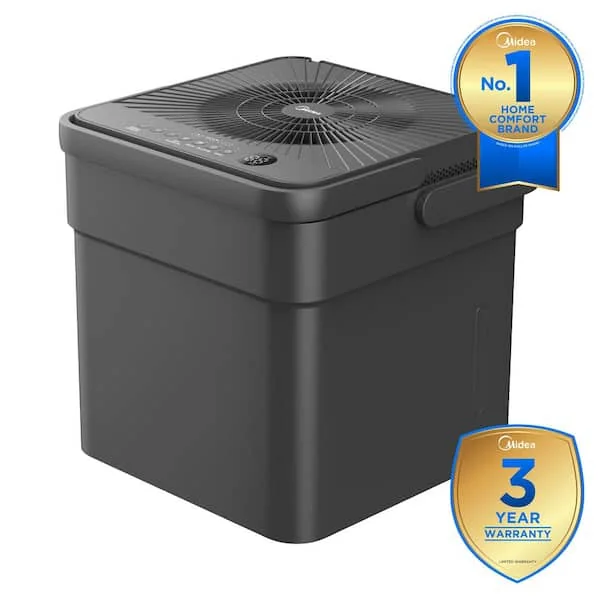
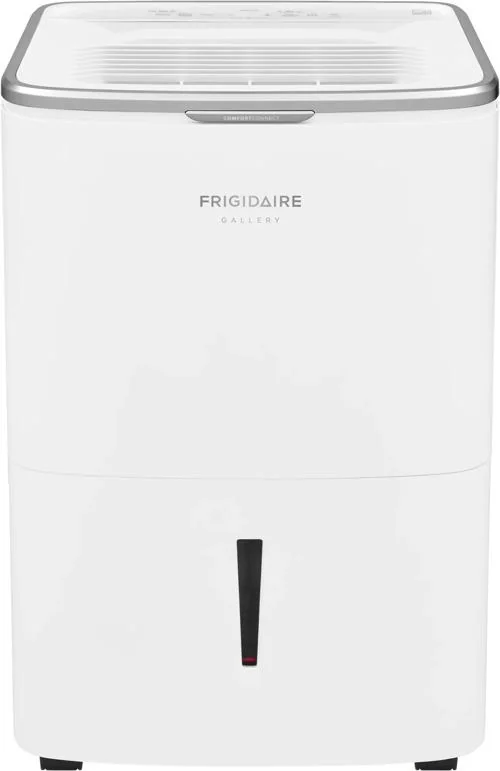
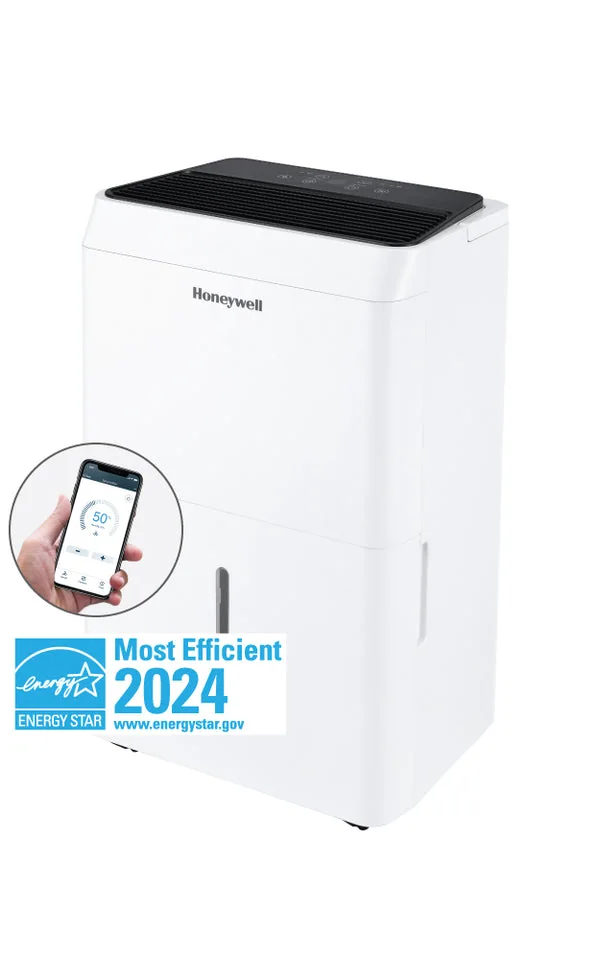
If you want a clearer, more fully supported reason to buy, start with these alternatives instead of forcing the GE APEL70LW to fit.
GE APEL70LW FAQ
Is the GE APEL70LW a 70-pint dehumidifier?
Yes. It’s in the 70-pint per day class, which is the common high-capacity tier for household dehumidifiers. Keep in mind that the rating is based on warm, humid conditions, so real output can be lower in cooler basements.
Does the GE APEL70LW have a pump for continuous drainage?
Yes, it has a built-in pump. That matters because it can move water upward, not just downhill like a gravity drain setup.
Does the GE APEL70LW come with a hose?
Yes. It includes a 16-foot hose, which makes continuous drainage easier to set up without buying extra parts.
How big is the GE APEL70LW water bucket?
The bucket capacity is 17.5 pints. A larger bucket generally means fewer emptying trips when you’re not using a hose.
How many fan speeds does the GE APEL70LW have?
It has three fan speeds: low, medium, and high. That gives you more control over airflow and sound than models with only two speeds.
Should you buy the GE APEL70LW?
Buy the GE APEL70LW if your main goal is simple: remove a lot of moisture and make drainage as hands-off as possible. The large bucket, included long hose, and built-in pump are the practical features that change day-to-day ownership, and they’re the clearest reasons to pay for this model.
If you’re trying to make the most confident choice based on deeply established, model-specific details beyond the basics, the case for choosing the GE APEL70LW over better-documented alternatives is not as strong in the record we have. In that situation, it makes more sense to start with the Midea 50 Pint Cube or the Frigidaire FGAC5044W1, then circle back to the GE APEL70LW if its pump-and-hose setup is exactly what your space needs.