
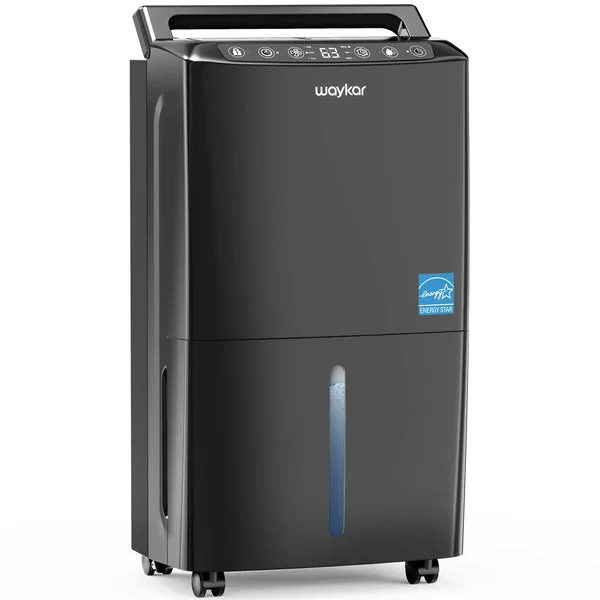
What to know first
- Quiet operation makes it a good fit for bedrooms and lived-in spaces.
- Compact size helps in tighter rooms like bathrooms.
- 2.5L tank is a reasonable size for a compact unit, but you may still prefer a hose drain in humid weather.
- Supports continuous drainage with an included drain hose, but it’s gravity drain only (no pump).
- Capacity is best for small to medium rooms and can feel underpowered in large, open basements.
What the Waykar PD160B is
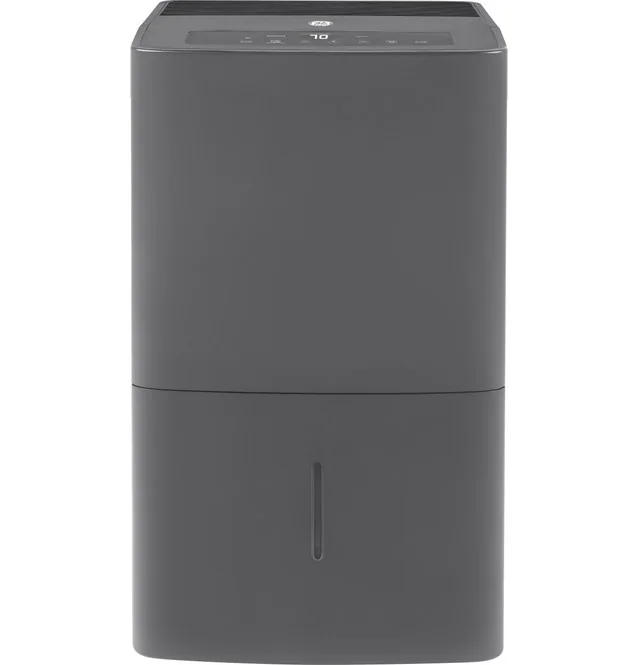
The Waykar PD160B is a portable, compressor-style dehumidifier designed for everyday humidity control in smaller spaces. Think bedrooms, dens, and bathrooms that feel sticky, smell musty, or take forever to dry out after showers or laundry.
It gives you two basic ways to deal with the water it pulls from the air. You can collect it in the built-in tank, or you can hook up the included hose for continuous drainage. That second option is what turns a dehumidifier from a “remember to empty it” appliance into something you can leave running during long humid stretches.
Where the PD160B fits best is comfort-focused use. It’s not trying to be a basement beast. It’s trying to be the dehumidifier you can run while you sleep, watch TV, or work from home without feeling like you brought a shop appliance into the room.
Why it stands out
The big reason to consider the Waykar PD160B is noise. It runs quietly enough to make sense in a bedroom, and it can keep airflow on the lower side so it’s less disruptive when it’s placed nearby. If you’ve ever tried to sleep next to a loud compressor unit, you already know why this matters.
It also does a good job staying temperature-stable in the room. In plain terms, it can run for hours without noticeably heating up the space, which is a real quality-of-life win in summer or in smaller rooms where extra heat is the last thing you want.
The other standout is its size. It’s relatively compact, which makes it easier to place in a bathroom or a tighter corner where a larger 50-pint style unit would feel bulky. That compact footprint is also part of why its overall moisture-removal capacity is more limited, so it’s a strength and a boundary at the same time.
Finally, it can be configured for continuous drainage. If you can run the hose to a floor drain or another downhill drain point, you can let it handle humidity without constantly checking the tank.
What it is like to own
Day to day, the main ownership decision is whether you’ll empty the tank or set up a hose. The PD160B has a 2.5L water tank, which is a sensible size for a compact unit. In a mildly damp room, that can be plenty. In a very humid stretch, you’ll appreciate having the hose option so you’re not emptying it all the time.
Continuous drainage is straightforward as long as you can work with gravity. The unit includes a drain hose, but there’s no built-in pump. That means the hose needs a continuous downhill path to a drain. If your plan is to drain into a sink, a tub, or anything elevated, you’ll run into a wall unless you add a separate pump solution.
In lived-in rooms, the PD160B’s personality is more “background appliance” than “loud utility machine.” It’s quiet enough to run while you’re watching TV or hosting people, and it’s a strong fit for bedrooms because it can keep airflow lower and avoid pumping extra heat into the room.
What to know before you buy
The Waykar PD160B’s limiting factor is capacity. It’s best suited to small and medium-sized rooms, and it can come up short in larger open-concept basements. If you’re dealing with a truly damp basement and you want faster, heavier water removal, you should be shopping in a higher-capacity class.
Also, be careful with the phrase “continuous drainage.” This model can drain continuously, but only in a gravity-drain setup. Without a built-in pump, you cannot count on routing water upward into a sink or other elevated container.
Finally, don’t get too hung up on coverage claims in general. Real-world moisture removal depends on humidity level, temperature, and how open the space is. With the PD160B, the practical takeaway is simple: it’s a comfort-first unit for smaller spaces, not a one-machine solution for a big, sprawling basement.
The specs that matter
A larger tank means fewer trips to the sink. For a compact dehumidifier, 2.5L is a workable size, but in very humid weather you’ll still prefer continuous drainage.
A hose setup is what lets you run a dehumidifier unattended for long stretches, which is when it’s most useful in sticky seasons.
Without a pump, the hose has to run downhill to a drain. If your only drain option is a sink or anything higher than the unit, continuous drainage won’t work as-is.
If you’re putting a dehumidifier in a bedroom or living room, noise is the difference between “set it and forget it” and “I can’t stand this thing.”
Dehumidifiers can make a room feel warmer. This one is a better fit for small rooms and hot climates because it won’t noticeably heat the space while it runs.
A smaller footprint is easier to live with in bathrooms and tighter rooms, and it’s more realistic to place near where the humidity actually is.
Who this product fits
You want a bedroom dehumidifier you can sleep next to
The Waykar PD160B is a strong match because it runs quietly and can keep airflow lower. It also avoids noticeably heating the room, which matters when you’re already running fans or AC.
Your bathroom stays damp and smells musty after showers
Its compact size makes it easier to fit into a smaller bathroom, and its capacity is a good match for small to medium spaces. If you can run a hose downhill to a drain, you can also avoid frequent tank emptying.
You want to run a dehumidifier for weeks during humid season without babysitting it
Set it up with the included drain hose to a floor drain or another downhill drain point. Without a pump, you’ll need that gravity path, but once it’s in place, it’s a much more hands-off setup than emptying a tank.
You have a big, open basement and want one machine to handle it
This is where the PD160B is more likely to disappoint. It’s better for smaller and medium rooms, and it can struggle in large, open spaces where you need higher capacity and stronger air movement.
What else to compare
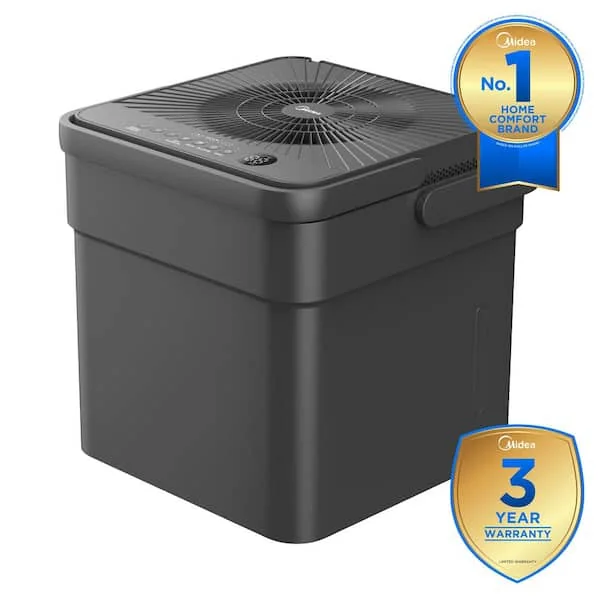
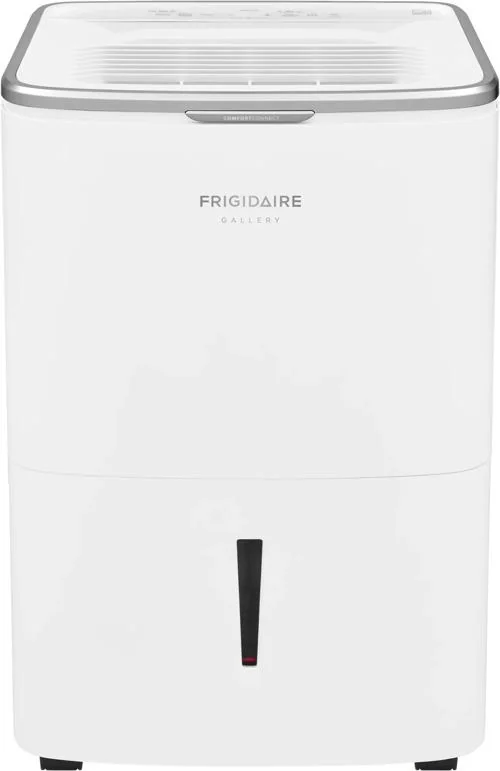
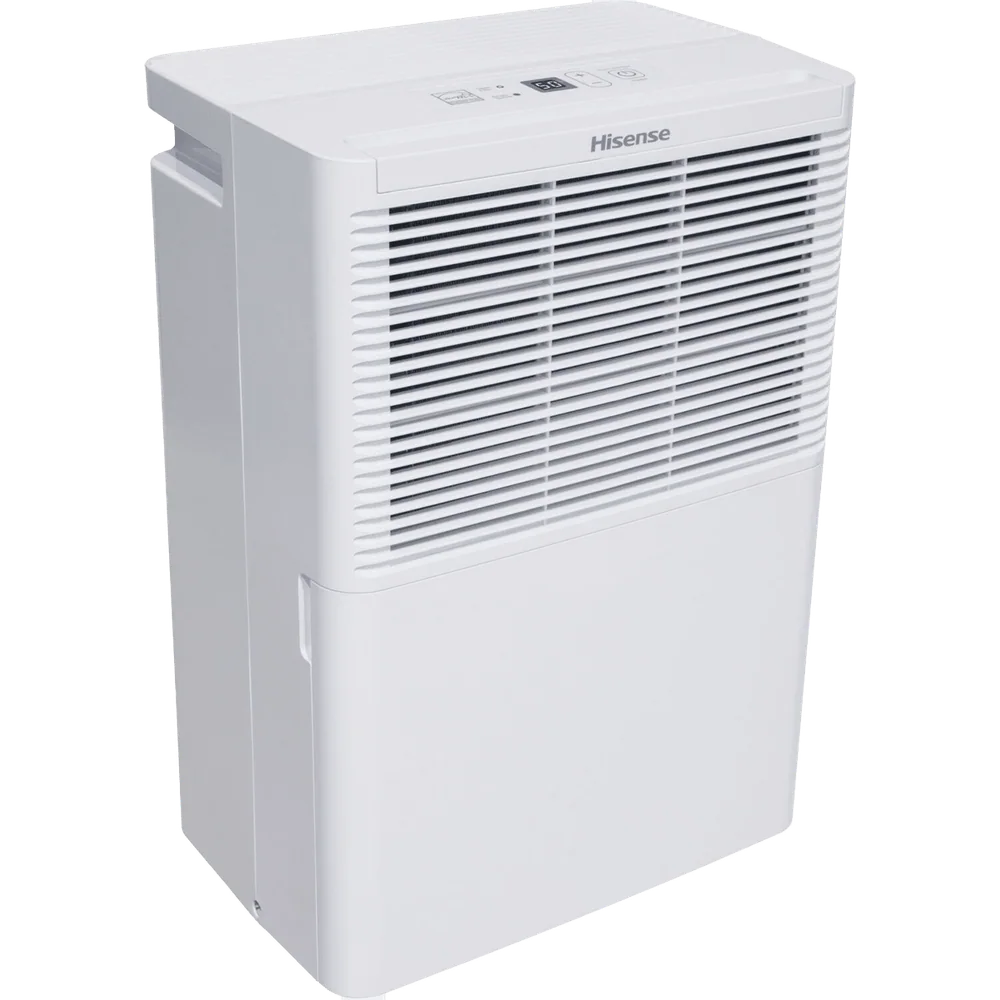
If the Waykar PD160B isn’t the right fit, these are the models I’d look at next.
Waykar PD160B FAQ
Is the Waykar PD160B good for a basement?
It’s okay in a basement if the space is small to medium sized. In a large, open-concept basement, its capacity can be too low to keep up, so a larger-capacity unit is usually the better call.
Can the Waykar PD160B drain continuously?
Yes. It can be configured for continuous drainage and comes with a drain hose. The key is that it’s gravity drain only, so the hose needs a downhill run to a drain.
Does the Waykar PD160B have a built-in pump?
No. If you need to send water up into a sink or another elevated drain point, this model won’t do that on its own.
Is the Waykar PD160B quiet enough for a bedroom?
Yes, it’s a good bedroom option because it runs quietly and can maintain a lower airflow. It’s also a good fit if you’re sensitive to extra heat, since it doesn’t noticeably warm the room while running.
How big is the Waykar PD160B water tank?
It has a 2.5L tank. That’s a reasonable size for a compact dehumidifier, but if your room is very humid you may still prefer using the hose drain to avoid frequent emptying.
Should you buy the Waykar PD160B?
Buy the Waykar PD160B if your priority is a dehumidifier that fits into real life: quiet enough for bedrooms, compact enough for bathrooms, and unlikely to make a small room feel hotter. Add the option for continuous drainage and it becomes a genuinely convenient appliance for humid season.
Skip it if you’re trying to solve a big, open basement with one machine, or if you need to drain water upward into a sink. In the right size space with a workable gravity drain, the Waykar PD160B is an easy, practical choice.