
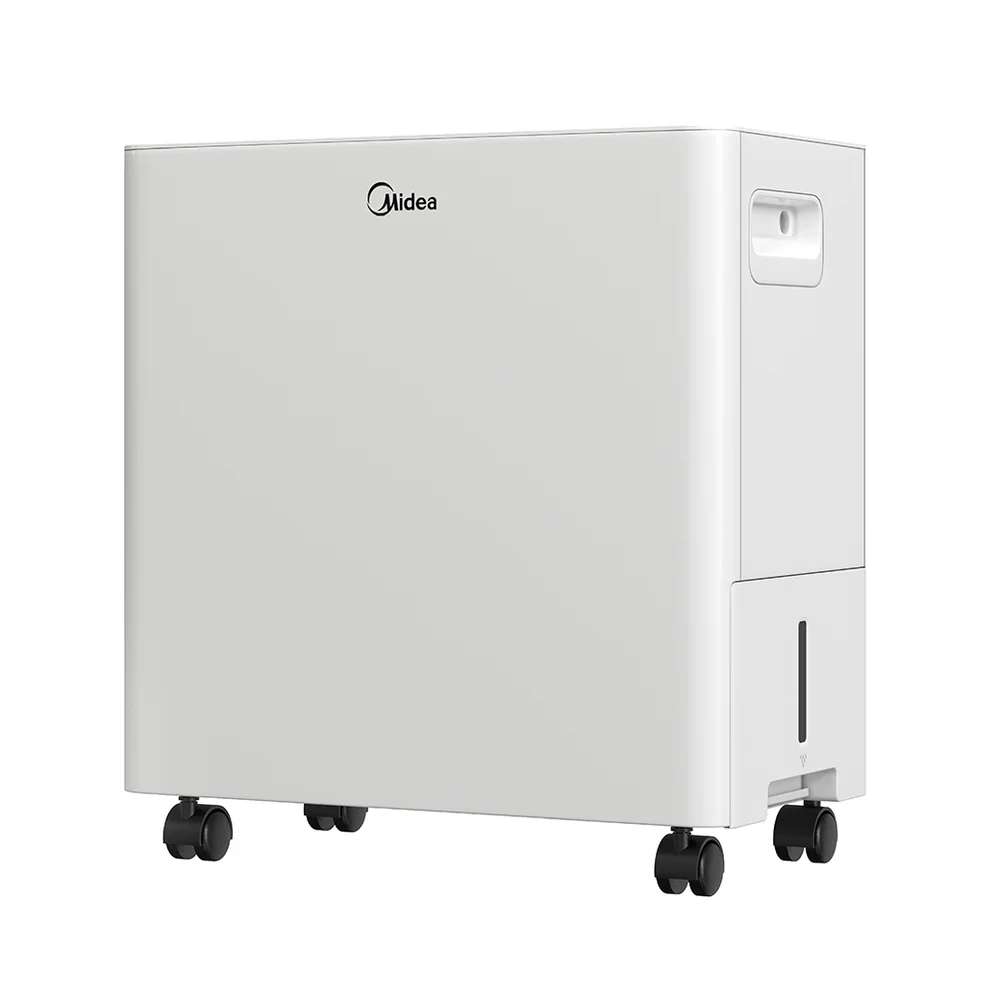
What to know first
- This is a straightforward, portable dehumidifier aimed at value shoppers.
- The “1,500 sq. Ft.” label is a rough sizing cue, not a guarantee for every basement layout or humidity level.
- For long humid stretches, unattended drainage setup matters as much as the brand name (confirm how you’ll drain it).
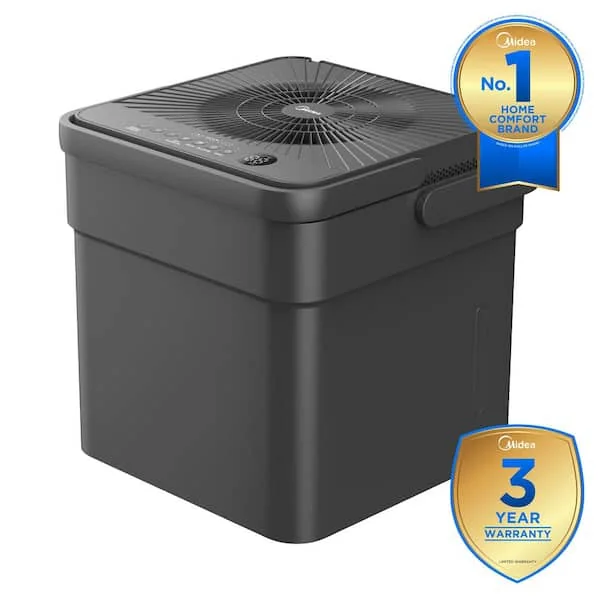
- If you can spend more, Midea’s Cube design is the more compelling reason to stick with Midea.
- Basement temperature affects performance. Cooler spaces can mean less water pulled and more time spent in defrost cycles.
What the Midea 1,500 Sq. Ft. Portable Dehumidifier is
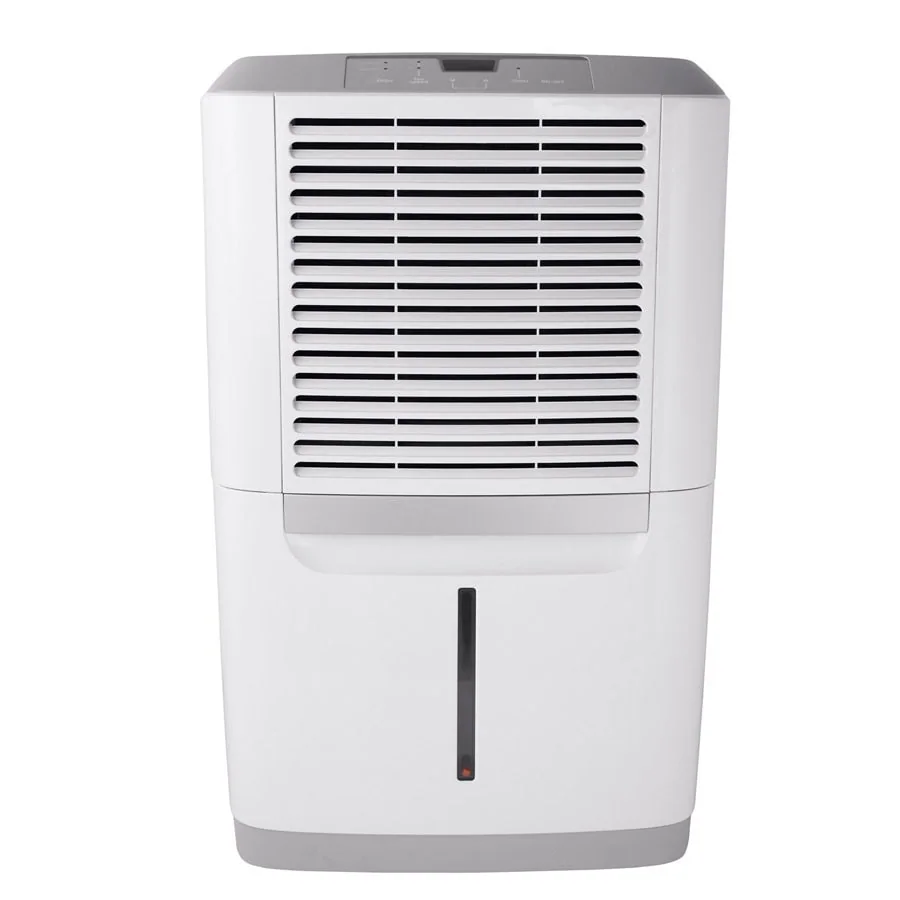
The Midea 1,500 Sq. Ft. Portable Dehumidifier is a compressor-style dehumidifier meant for typical home dampness problems: muggy rooms in summer, a musty-smelling basement corner, or a laundry area that never quite dries out. You set a target humidity, it runs its fan and compressor, and it collects water in a tank or sends it out through a drain setup (depending on the model’s configuration and how you install it).
The big headline spec is the stated coverage area. In real life, dehumidifiers don’t “cover” a space the way a light bulb lights a room. Moisture load, temperature, airflow, and whether the space is chopped up into rooms matter more than square footage alone. Treat 1,500 sq. Ft. As a general sizing class for shopping, not a promise that it will fix every damp basement.
Where this Midea fits best is as a practical, mainstream option when you want to keep spending down and still get a normal, portable unit you can live with day to day.
Why it stands out
The main reason to buy the Midea 1,500 Sq. Ft. Portable Dehumidifier is value. It is a lower-cost way to get into a mainstream brand, which is appealing if you just need the humidity down and you don’t want to pay extra for a more specialized design.
It also fits the way a lot of people actually use dehumidifiers: move it where the problem is. A portable unit is handy when the dampness shifts seasonally, like a basement in summer and a bedroom during shoulder seasons when the house feels sticky.
The flip side of “value first” is that the case for this specific model is simpler than for Midea’s Cube-style units or higher-end smart models from other brands. If you’re the kind of shopper who wants a clear reason why this exact machine is better to own, the Cube’s tank and storage approach is the more distinctive upgrade within Midea’s lineup.
What it is like to own
Day to day, owning a dehumidifier comes down to three things: where the water goes, how often you have to deal with it, and whether you’ll actually tolerate running it. If you rely on the internal bucket, you’ll be emptying it whenever it fills. If you set up continuous drainage, you can run it for long humid stretches with much less babysitting.
Before you buy, look at your space and decide if you can realistically do gravity drainage. Gravity drains need a continuous downhill path to a floor drain or sump. If you do not have that, you either plan on bucket emptying or you buy a unit with a built-in pump (a pump can move water upward).
Basements add another ownership wrinkle: temperature. Cooler basements can cause the coils to frost, which triggers defrost behavior where the unit periodically pauses dehumidifying to clear ice. That’s normal, but it’s one reason a dehumidifier can feel less effective in a chilly basement than you expected from the headline specs.
Noise and energy use matter because these machines often run for hours at a time when humidity is high. If you’re putting it near a bedroom or a TV room, plan for the steady sound of a fan and compressor, and consider whether you’ll be comfortable leaving it running overnight.
What to know before you buy
Do not shop this model on square footage alone. “Covers 1,500 sq. Ft.” is a rough sizing cue, but a damp, closed-off basement with poor airflow can be harder than a larger, open space with better circulation. If your moisture problem is severe, you may need a higher-capacity class unit or a better drainage plan so you can run it continuously.
Confirm your drainage plan up front. “Continuous drainage” only helps if the hose fits, the run slopes the right way, and you have a drain in the right spot. If your only drain is higher than the dehumidifier, you’ll need a pump-equipped unit or you’ll be emptying the bucket.
Finally, remember that dehumidifiers are long-run appliances. They can run a lot during humid months, so tolerable noise and reasonable energy use are not small details. If you already know you’re sensitive to sound, it can make sense to prioritize a model explicitly chosen for quiet operation instead of buying purely on price.
The specs that matter
Use this as a sizing class, not a guarantee. Layout, airflow, temperature, and how wet the space is will change real-world results.
Compressor units are the standard choice for whole rooms and basements. They’re effective, but they run a fan and compressor, so you’ll hear them and you’ll want a plan for draining water.
Unattended drainage is what makes a dehumidifier truly low-maintenance during long humid stretches. Gravity drainage needs a downhill path. If you need to drain upward, you want a built-in pump model.
In a cool basement, the unit may pause periodically to defrost, which reduces how quickly it can pull moisture compared with warm, humid conditions.
If your basement is cooler or only moderately humid, expect less water pulled per day than the headline number on many dehumidifiers.
This is why dehumidifiers can be annoying in living spaces and why efficiency matters. If you plan to run it a lot, you’ll feel the difference in comfort and operating cost.
Who this product fits
You want a basic dehumidifier for a smaller basement area
The Midea 1,500 Sq. Ft. Portable Dehumidifier makes sense when your goal is to knock down that damp, musty baseline and you can place it near a drain or you’re fine emptying the bucket as needed.
You need something you can move between rooms
A portable unit is useful when the problem moves with the season. Run it in a laundry room during humid months, then shift it to a bedroom when the house starts feeling sticky.
You’re trying to keep spending down but still want a mainstream brand
If you’re shopping with a firm budget ceiling, this Midea is a reasonable fallback that keeps you out of no-name territory while still addressing everyday humidity.
What else to compare
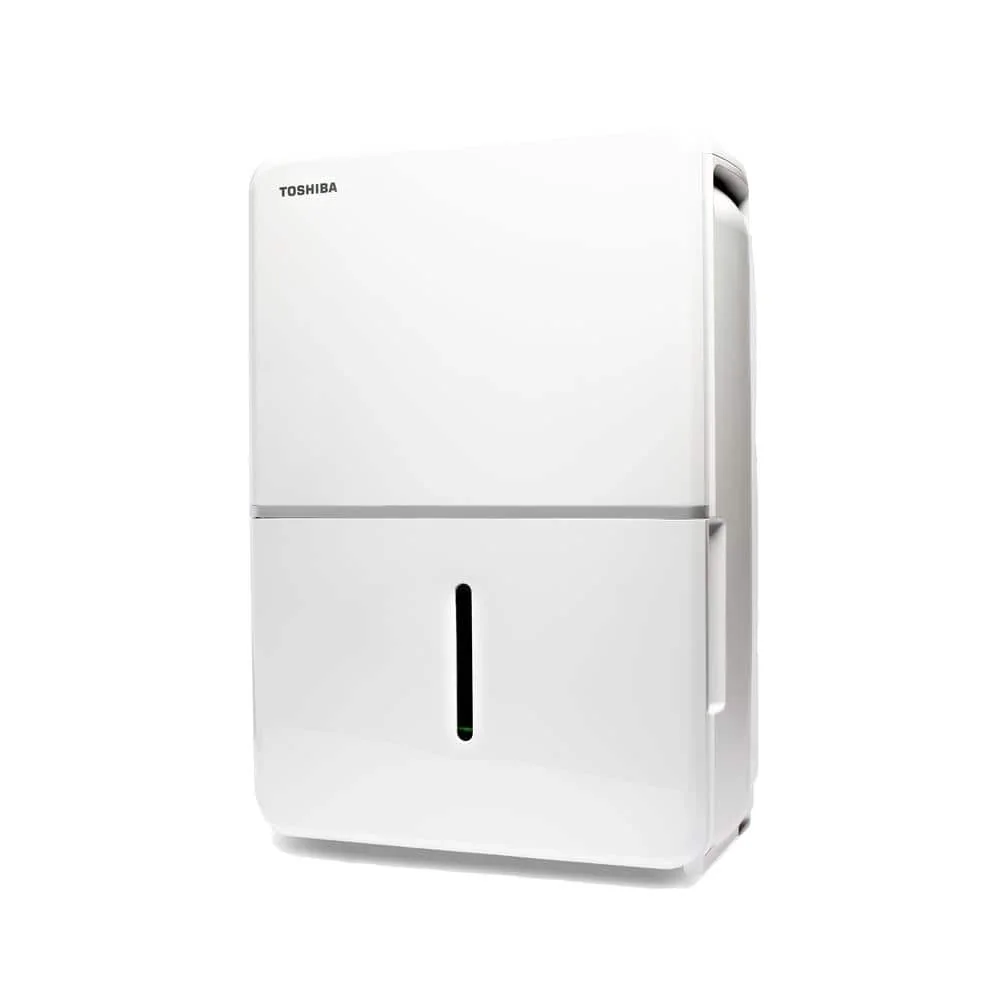
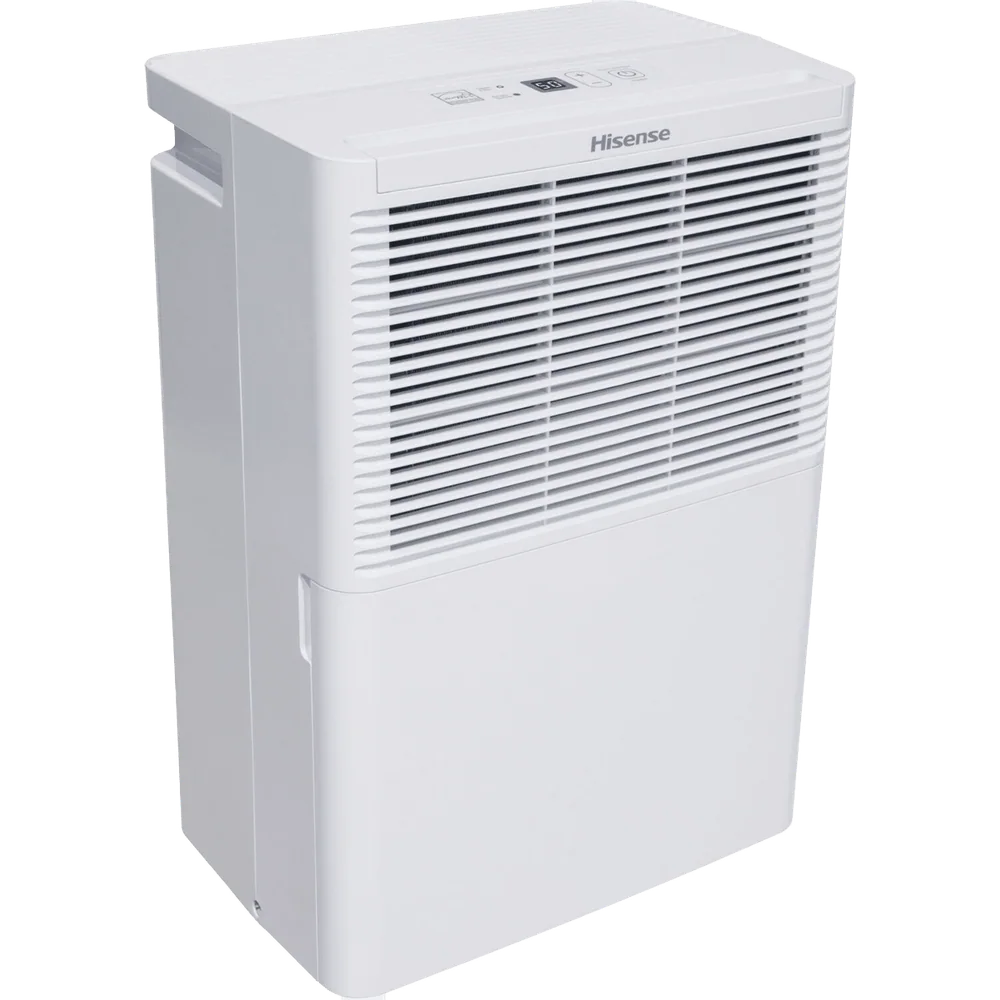
If you can spend more or you have a specific pain point like tank capacity or smart control, these alternatives make more sense than forcing this model to fit.
Midea 1,500 Sq. Ft. Portable Dehumidifier FAQ
Is the Midea 1,500 Sq. Ft. Portable Dehumidifier big enough for a basement?
It can be, but don’t buy it based on square footage alone. Basement temperature, how damp the space is, and whether air can move around the area will determine how well it keeps up.
Can I run the Midea 1,500 Sq. Ft. Portable Dehumidifier continuously without emptying the tank?
Only if you set up continuous drainage in a way that actually works in your space. Gravity drainage needs a steady downhill hose run to a drain or sump. If your drain is higher than the unit, you’ll need a pump-equipped dehumidifier or you’ll be emptying the bucket.
What does “1,500 sq. Ft.” coverage really mean on a dehumidifier?
It’s a rough sizing label, not a promise. A smaller but wetter, colder, or more closed-off space can be harder to dehumidify than a larger, better-ventilated one.
Why do dehumidifiers struggle more in cool basements?
When the coils get cold, they can frost up. Many units periodically pause to defrost, which reduces moisture removal compared with warm, humid conditions.
Should I buy this Midea or the Midea Cube?
If you can afford the Cube, it’s the more clearly justified Midea buy because its tank and storage approach is a real day-to-day ownership advantage. Choose this 1,500 sq. Ft. Portable model when price is the priority and you’re fine with a more traditional setup.
Should you buy the Midea 1,500 Sq. Ft. Portable Dehumidifier?
Buy the Midea 1,500 Sq. Ft. Portable Dehumidifier if you want a straightforward, mainstream-brand dehumidifier for a smaller space and you’re shopping with a tight budget. It’s a practical way to get basic humidity control without paying for a specialty design.
Skip it if your main goal is hands-off ownership during long humid stretches or you want a more distinctive reason to choose Midea. In that case, stepping up to the Midea Cube (or choosing a model built around smarter control or easier drainage) will make the day-to-day experience better.