
Pickori

Category guide

Dehumidifier Drainage Options Compared

Pick a drainage method that matches how often you want to empty water and whether the unit can run unattended for days at a time.

Reading time: 9 minutesBest for: Homeowners and renters choosing between bucket, hose, or pump drainage for a basement, laundry area, or humid room.
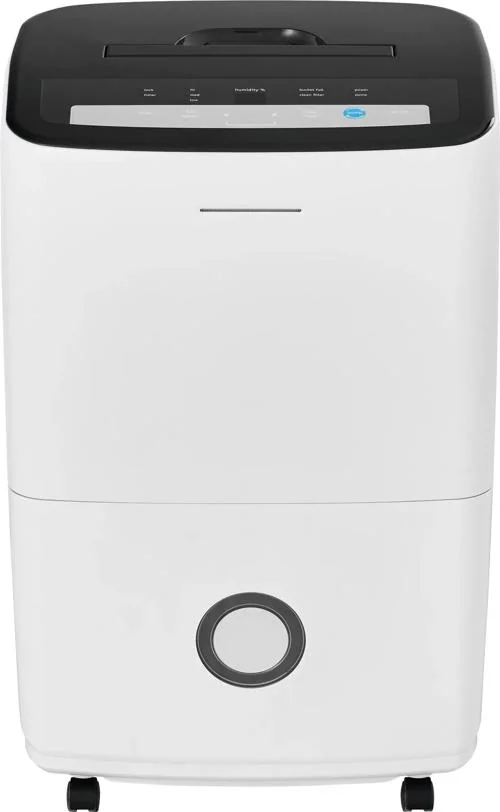
Frigidaire Dehumidifier with Pump

Bucket drainage: simplest, but it demands attention

Bucket drainage means the dehumidifier collects condensate in an internal tank that you remove and empty. It is the simplest setup and works well for small humidity problems, short-term use, or spaces you visit daily. It is also a good way to learn how wet your space really is, because you can see how many times per day the bucket fills when conditions are bad. The downside is predictable: if the bucket fills, most units shut off and humidity climbs again. Bucket size matters, but so does how fast it fills in your conditions. A unit that removes a lot of water can turn bucket emptying into a daily or twice daily task. If the dehumidifier is in a basement you do not visit often, bucket drainage usually becomes the reason the unit is not running when you need it most.

Gravity hose drainage: continuous, but slope and fit matter

Gravity drainage uses a hose connected to the dehumidifier's drain outlet so water flows downhill to a floor drain, sump pit, or other drain point. This is the most reliable low-maintenance option when you have a true downhill path. The key word is continuous. Any uphill section, sag, or loop can trap water and cause slow draining, gurgling, or overflow back into the unit. Pay attention to hose fit and routing. Many dehumidifiers use a specific hose diameter and a threaded connection, and a loose push-on hose can weep water over time. Use the shortest practical run, avoid kinks, and secure the hose so it cannot get bumped off. If your drain is across the room, plan the path so people will not step on it or crush it behind storage bins.

Built-in pump drainage: solves uphill runs, adds parts to maintain

A built-in pump is a small internal pump that pushes condensate through a hose to a sink, standpipe, or drain that is higher than the dehumidifier. This is the easiest way to drain continuously when there is no nearby floor drain. It is also helpful when the only drain option is across the room and you want to route the hose up and over obstacles. A pump adds convenience, but it also adds a component that can clog, stick, or fail if it sits in dirty water. Basements often have dust and debris that can end up in the condensate path. Plan to check the pump hose connection occasionally, and keep the hose end secured so it cannot slip out of a sink or standpipe. If the pump stops, some units shut off, while others can overflow, so understand what your unit does before you rely on it unattended.

External pumps and permanent drains: best for long seasons and high moisture loads

An external condensate pump is a separate pump box that the dehumidifier drains into, and the pump then sends water to a higher drain. This can be a good solution if you already own a standard dehumidifier without a built-in pump, or if you want a pump that is easier to replace without replacing the whole dehumidifier. It also lets you position the dehumidifier for airflow while placing the pump where the drain routing is easiest. Permanent drain solutions include tying into a sump system, a dedicated drain line, or a properly planned floor drain route. These setups can make sense for basements that need dehumidification for months at a time. The ownership tradeoff is that you are now maintaining a small water system. Hoses can grow slime, fittings can loosen, and pumps can clog. A quick monthly look for drips, kinks, and secure hose ends prevents most surprises.

What this guide helps you understand

Choose a drainage method that matches your space and your tolerance for maintenance, so the dehumidifier can run consistently during the dampest stretches.

Identify a drain destination first (floor drain, sump, sink, standpipe), then confirm you can route a hose with continuous downhill slope or plan for a pump if any section must go uphill.

Technique notes

If you cannot make drainage unattended, consider sizing and placement choices that reduce how often the bucket fills, but assume you will eventually miss an emptying during peak humidity.

Safety note: Keep drain hoses away from walkways to reduce trip risk, and make sure any pump or dehumidifier cord plugs into a properly grounded outlet.

More from Dehumidifiers

← Back to Dehumidifiers