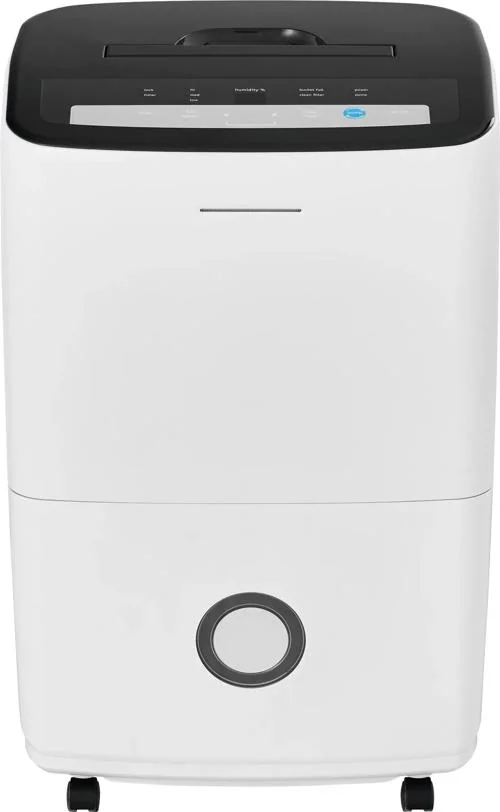
Regular cleaning keeps airflow strong, reduces musty odors, and helps your dehumidifier remove water without working harder than it needs to.
Reading time: 8 minutesBest for: Homeowners and renters running a portable dehumidifier in basements, laundry rooms, or humid living spaces
Clean the filter
Unplug the dehumidifier and remove the air filter (usually a slide out screen behind the intake grille). The filter's job is to catch lint and dust before it coats the coil. When it clogs, the fan has to pull harder, airflow drops, and the coil can get colder than it should, which can increase frosting in cool basements. A dirty filter also recirculates odors because damp dust is a great place for smells to hang on.
Vacuum the filter first to remove loose debris. If the filter is washable, rinse it with lukewarm water and a small amount of mild dish soap, then rinse again until the water runs clear. Let it dry completely before reinstalling. Putting a damp filter back in can add moisture and encourage mildew. If the filter is a thin disposable type, replace it on schedule instead of washing it, since washing can tear the media and reduce filtration.
Wash and dry the bucket
The bucket is where condensed water sits, sometimes for days if you are not using a drain hose. Even clean looking water can leave a film that feeds odor and slime, especially in warm, humid rooms. The bucket area also includes the lid, float, and any channels that guide water into the bucket. If those surfaces get gunky, the float can stick and shut the unit off early, or the bucket can smell even when it is empty.
Remove the bucket, dump it, and wash it with warm water and mild soap. Use a soft brush or cloth to reach corners and the underside of the lid. Rinse well, then dry it fully with a towel and leave it out for a short air dry if you can. Before reinstalling, wipe the bucket bay inside the dehumidifier where splashes and drips collect. If you notice a persistent musty smell, cleaning more often usually helps more than turning the humidity setting lower.
Inspect the drain
Many dehumidifiers can run in continuous drain mode, meaning water exits through a drain port instead of filling the bucket. This only works if the hose fits correctly, stays attached, and has a reliable path for water to leave. A gravity drain needs a continuous downhill slope to a floor drain or sump. If the hose sags, kinks, or runs uphill even slightly, water can back up, leak, or force the unit back into bucket filling behavior.
With the unit unplugged, remove and inspect the hose. Flush it with warm water at a sink or tub to clear slime and sediment. Check the drain port for buildup and make sure the gasket or connection is seated so it does not weep water. If your unit has a pump, test that the pump tube is firmly connected and routed so it will not pop out when the pump cycles. After reconnecting, run the unit and watch the first few minutes of draining to confirm steady flow and no drips.
Keep the coils breathing
The coil area is where moisture turns into water. You usually cannot see much of it, but you can protect performance by keeping the intake and exhaust grilles clear and the coil fins free of heavy dust. When fins get coated, the coil cannot exchange heat well, so the unit removes less water and may run longer. In cooler basements, restricted airflow can also contribute to frost, which forces the unit into defrost pauses where it is not actively dehumidifying.
Start by vacuuming the intake grille and any accessible surfaces with a soft brush attachment. Keep the unit pulled away from walls and stored items so it can move air freely. If you can see the coil fins behind the filter, vacuum gently without bending them. Avoid spraying cleaners into the unit. Liquids can reach electrical parts or leave residues that attract more dirt. If the coil looks heavily matted or you see signs of corrosion, it is usually better to address airflow and filter habits first rather than trying to disassemble the cabinet.
What this guide helps you understand
A dehumidifier stays effective when air can move easily and water has a clean, reliable path out. If you keep the filter clean, the bucket and float free of film, and the drain hose flowing downhill without kinks, you prevent most odor, leak, and low performance complaints before they start.
Unplug the dehumidifier before removing the filter, bucket, or drain hose, and confirm the filter and bucket are fully dry before reinstalling.
Technique notes
If the space is dusty (laundry lint, workshop debris), plan on cleaning the filter more often than the calendar suggests, because airflow loss shows up fast in real rooms.
Safety note: Do not spray water or cleaners into the cabinet. Keep liquids away from controls, wiring, and the power cord, and lift the unit carefully since it can be heavy even when the bucket is empty.