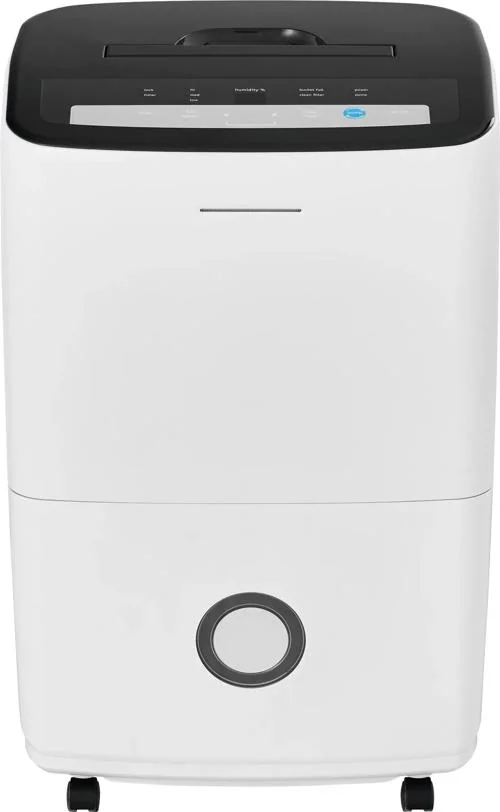
Owning a dehumidifier is mostly about managing where the water goes, how often it runs, and whether the noise and heat fit your space.
Reading time: 9 minutesBest for: Homeowners or renters trying to control basement or room humidity without constant bucket emptying.
Noise and heat in everyday use
Most portable dehumidifiers use a compressor, the same basic type of motor used in many refrigerators. That compressor plus the fan creates a steady hum, with occasional changes in tone as the unit cycles on and off. In a basement, the noise is often fine. In a bedroom or office, it can be distracting, especially if the unit runs for hours. If sound matters, plan the placement so the airflow is not aimed at a doorway, and avoid putting the unit on a hollow floor that can amplify vibration.
A dehumidifier also adds heat to the room. It is taking energy from the air to condense water, then dumping that energy back as warm exhaust air, along with the electricity it uses. In a cool basement, that warmth can feel like a benefit. In a small laundry room in summer, it can make the space feel stuffier even while it is drier. This is why "quiet" and "low power" claims are less useful than thinking through where the unit will sit, how long it will run, and whether you can close a door without trapping heat where you do not want it.
Water handling: bucket, hose, or pump
Every dehumidifier is a water management device. The simplest setup is the internal bucket, which fills with condensate until a float switch shuts the unit off. That is safe and straightforward, but it is also the most common ownership frustration. In a wet spell, a bucket can fill quickly, and the unit stops dehumidifying right when you need it most. If the space is only occasionally damp, a bucket can be fine. If the space is consistently humid, bucket-only ownership usually turns into missed emptying and long periods of the unit sitting off.
Continuous drainage is the upgrade that changes the routine. A gravity drain uses a hose that must run downhill the entire way to a floor drain or sump. If the hose sags, kinks, or runs uphill even slightly, water backs up and can leak or trigger shutoff. A built-in pump is different. It actively pushes water through a small tube up to a sink, standpipe, or window exit, which helps when there is no floor drain nearby. Pump units still need attention: the tube must stay attached, the outlet location must handle the water, and the pump area can need occasional cleaning so it does not get slimy over time.
Filters, coils, and what "maintenance" really means
Most portable units have a washable air filter behind the intake grille. Its job is to keep dust and lint from coating the coils inside. A clogged filter reduces airflow, which reduces water removal and can increase icing on the cold coil. In a laundry area, lint loads the filter fast. In a basement workshop, sawdust can do the same. A realistic routine is to check the filter every couple of weeks at first, then adjust based on how dirty it gets. Rinse and fully dry it before reinstalling so you are not feeding moisture back into the machine.
Inside the unit, moisture and dust can create a film on surfaces that stay damp. Over time, that can lead to odors, especially if the unit sits off for a season with water residue in the bucket area. Practical ownership means occasionally washing the bucket and wiping the bucket cavity, not just emptying it. If your unit has a continuous drain, it also means checking the hose for buildup and making sure the connection is still tight. When performance drops, the cause is often simple: blocked airflow, a dirty filter, a kinked hose, or a room that is colder than the unit likes.
Electricity, controls, and seasonal expectations
Dehumidifiers can run for long stretches, so electricity use is part of ownership, not a footnote. The biggest driver is how wet the space is and how low you set the humidity target. A humidistat is the built-in sensor that measures humidity and turns the unit on and off to maintain a set point. If you set an aggressive target in a naturally damp basement, the unit may run nearly nonstop. A more moderate setting often keeps the space comfortable while letting the machine cycle off, which reduces noise, heat, and cost.
Temperature changes what you should expect. Compressor units remove less water in cooler rooms, and they may pause to defrost when the coil gets cold enough to frost. Those pauses can look like "it stopped working," but they are part of normal operation in cool basements. Desiccant dehumidifiers are a different style that can do better in cooler spaces, but they typically use more electricity and feel warmer. Seasonally, many people run a unit hard in summer, then reduce runtime in winter when indoor air is drier, while still watching for condensation on cold walls or pipes that can signal you need some dehumidification even in cooler months.
What this guide helps you understand
Choose a dehumidifier and setup based on how you will drain water unattended, and whether you can live with the noise and added heat where it will run.
Before buying, identify a reliable drain option (floor drain, sump, sink, or standpipe) and confirm you can route a hose with a continuous downhill slope or you truly need a built-in pump.
Technique notes
Leave clearance around the intake and exhaust so the unit can move air. Crowding it against a wall often cuts performance and increases icing and noise.
Safety note: Keep the unit plugged into a properly grounded outlet, route hoses and cords to avoid trip hazards, and do not run it where it can sit in standing water.