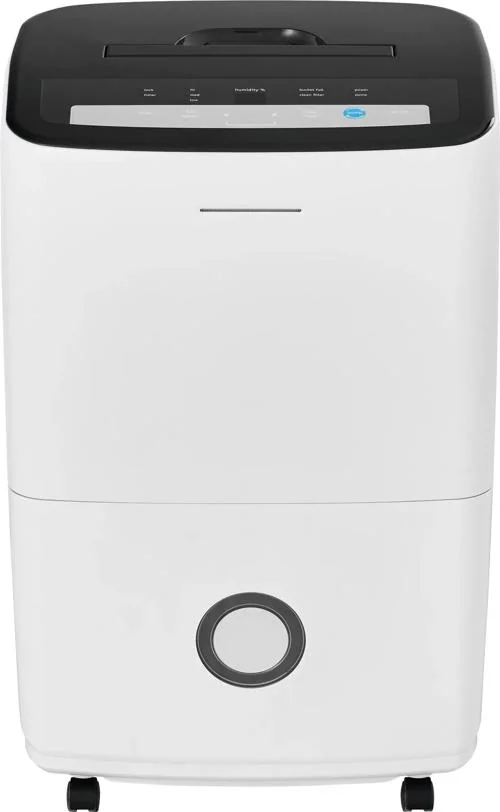
Proper off season storage prevents stale odors, protects the coil and drain path, and makes the first humid week of the year a simple restart instead of a cleanup project.
Reading time: 8 minutesBest for: Anyone putting away a portable dehumidifier for a season, especially basement and garage users
Stop with time to dry
Plan to shut the dehumidifier down when you can give it a little time to dry out. If you turn it off and immediately stash it, moisture can remain on the coil and in the bucket bay. That trapped dampness is what creates the first use odor months later. If your unit has a fan only mode, running the fan briefly can help move air across internal surfaces after dehumidifying stops.
Turn the unit off, unplug it, and empty the bucket. Leave the bucket out for a while so both the bucket and the bucket compartment can air dry. If you use a continuous drain hose, disconnect it and let it drain fully. Wipe any visible drips. The point is not to get every hidden surface bone dry, but to avoid storing it with standing water or wet film that will sit for weeks.
Clean the water path
Before storage, clean the parts that regularly touch water: the bucket, lid, float area, and the drain hose or drain port. Even if the water looks clean, it can leave a slick film that turns into odor over time. If you store the unit in a warm area like a utility room, that film can get worse faster than it would in a cool basement.
Wash the bucket with mild soap and warm water, rinse well, and dry it completely. Flush the drain hose with warm water and check for kinks or soft spots that could split next season. If your unit has a pump, make sure the pump tube is drained and not pinched. Finally, clean or replace the air filter. A clean filter going into storage means less dust stuck to the coil when you restart.
Store upright
Most portable home dehumidifiers use a compressor, and compressors contain oil that needs to stay where it belongs. Storing the unit on its side can let oil migrate into places that make the next start rough or noisy. Upright storage also protects the coil fins from being crushed by other items and keeps the bucket bay from warping under weight.
Choose a storage spot that is dry and reasonably clean, not next to fertilizer, pool chemicals, or anything that can corrode metal. Coil fins are thin and bend easily, so avoid stacking boxes against the grilles. If you have the original box, it can help protect the unit from bumps, but do not seal it up while the unit is still damp. Coil and grille protection is mostly about preventing physical damage and keeping dust from building up.
Check it before humid weather
Do not wait for the first sticky week to find out something is wrong. A quick pre season check saves time because you can spot leaks, clogs, or odor sources before the unit has to run nonstop. It also helps you confirm your drainage plan, especially if you moved the unit, rearranged the basement, or changed where the hose runs.
Reinstall the dry filter and bucket, then inspect the cord and plug for damage. If you use a hose, reconnect it and confirm a continuous downhill slope to the drain, or confirm the pump tube is routed securely to a sink or drain. Run the unit for a short period and watch for steady water collection or steady draining. If you notice musty odor right away, rewash the bucket and check the hose and drain port for film.
What this guide helps you understand
The best storage routine is: drain, clean, dry, and store upright. When you remove water and residue before the unit sits, you prevent the most common restart problems, which are odor, poor drainage, and reduced airflow from dust that stuck to damp surfaces.
Store the dehumidifier upright, with the bucket empty and dry, and the drain hose disconnected and drained.
Technique notes
If you must transport the unit on its side, set it upright at the destination and give it time to settle before turning it on.
Safety note: Unplug before cleaning or moving. Lift carefully since dehumidifiers are heavy, and keep the cord from getting pinched during storage.