
What to know first
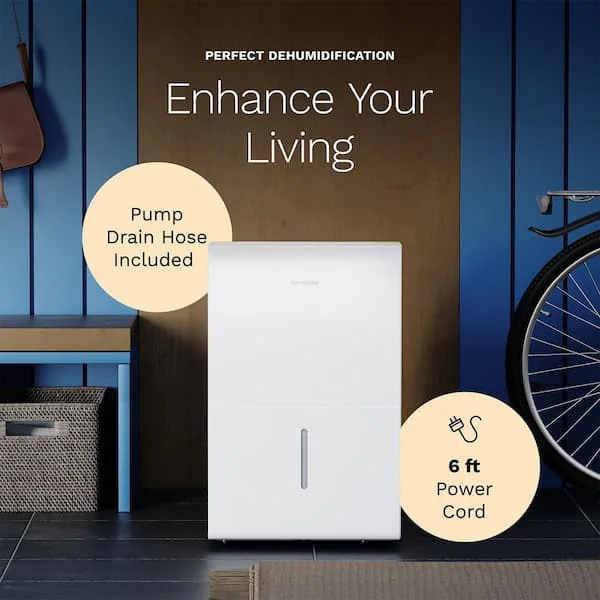
- Built-in pump enables upward drainage, which is the big convenience win for basements.
- Designed for continuous draining setups so you’re not emptying a tank all the time.
- A value-leaning pump model aimed at practical, everyday moisture control.
- Don’t shop by square-foot coverage alone. Drainage plan and basement conditions matter more.
- Like most compressor dehumidifiers, it’s meant to run for long periods, so placement and noise tolerance matter.
What the Homelabs Dehumidifier with Pump is
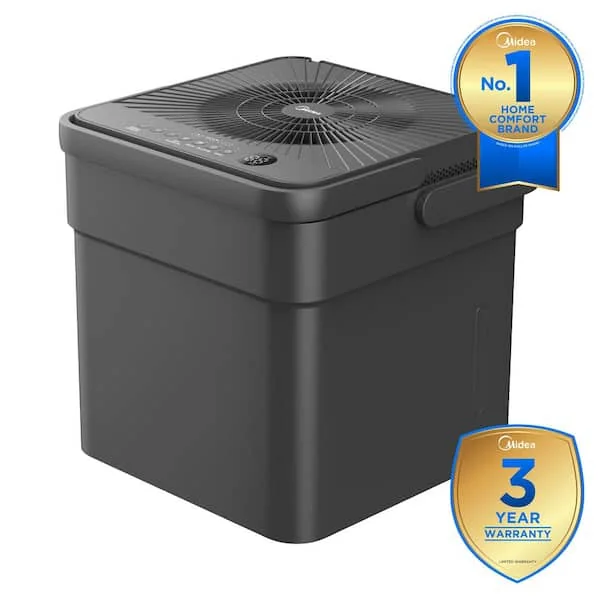
Homelabs Dehumidifier with Pump is a floor-style compressor dehumidifier built for the places in a home that stay damp: basements, laundry areas, and utility rooms. It pulls humid air in, condenses that moisture into water, and then you either collect it or drain it away.
The reason to buy this specific model is the pump. Instead of relying only on gravity to send water down a hose to a floor drain, a pump can move water upward to a sink or out a window. That’s what makes it realistic to run a dehumidifier continuously in a basement where the nearest drain is not conveniently below the unit.
In plain terms, it’s meant to be a set-it-and-forget-it moisture manager for downstairs spaces, not a tiny countertop unit for a closet and not a gadgety smart-home accessory.
Why it stands out
The built-in pump is the feature that matters. In a lot of basements, the best place to put a dehumidifier is not right next to a floor drain. With a pump, you can route the drain line up to a sink, window, or higher drain point, which makes continuous drainage possible in more real homes.
Continuous drainage is the difference between “this helps” and “this actually solves the problem.” When humidity is high, a dehumidifier can fill a reservoir quickly. A unit that can drain unattended can keep working through long humid stretches without shutting off because the tank is full.
Homelabs positions this as a strong basement value. The appeal is straightforward: get the convenience of a pump model for the spaces that need it most, without overcomplicating the purchase.
What it is like to own
Ownership with a pump model is mostly about setup. You pick a spot where air can circulate, then decide where the water will go. If you can run a hose downhill into a floor drain, great. If not, the pump is there so you can send water upward to a sink or out through a window to a suitable drain point.
Once you have a workable drain route, the day-to-day experience is less hands-on than a bucket-only dehumidifier. The whole point is fewer interruptions and fewer trips to empty a tank, which is especially helpful in basements and laundry spaces where you may not notice the unit has shut off until the room feels damp again.
Because compressor dehumidifiers tend to run for long periods when moisture is high, think about where you’ll hear it. A basement utility area is usually an easier fit than a bedroom or a home office.
What to know before you buy
Don’t buy any dehumidifier based on a big “covers thousands of square feet” claim alone. Layout, air movement, temperature, and how wet the space actually is matter more than floor area. A basement with closed doors and little airflow can behave very differently than an open-plan downstairs.
Capacity numbers (pints per day) are measured under warm, humid conditions. In cooler basements, real-world water removal is typically lower, and the unit may need to pause periodically to manage frost on the coils. If your basement runs cold, pay attention to whether the model you choose is designed to handle that environment.
For continuous drainage, confirm you can actually make the hose run work in your space. Gravity drains need a continuous downhill path. Pumps help, but you still need a safe destination for the water and a route that won’t kink, leak, or get knocked loose.
The specs that matter
This is what lets the unit run unattended in basements where a floor drain isn’t nearby or isn’t lower than the dehumidifier.
A hose setup is what makes long humid stretches manageable. Manual draining means you’re emptying a reservoir and the unit can shut off when it fills.
This gives you a comparison point across models. In cooler or less humid rooms, expect less water removal than the rating suggests.
This is a floor appliance with a real footprint. Plan on placing it where it won’t block walkways and where air can circulate.
It’s not something you’ll want to carry up and down stairs often. Pick a home for it, then rely on the pump and hose routing instead of moving it around.
Who this product fits
Basement with no convenient floor drain
You place the Homelabs Dehumidifier with Pump where it can pull damp air effectively, then route the drain line up to a sink or out a window to a drain point. The pump is what makes that setup possible, so you’re not emptying a tank every day.
Laundry room that gets muggy in summer
You run it during humid months and send the water to a nearby sink. Continuous draining means it can keep up while you’re busy, instead of shutting off when a reservoir fills.
Utility room that needs “background” moisture control
If you want the space to stay drier without thinking about it, a pump model is the low-maintenance route. Once the hose is routed to a safe drain point, the machine can run for long stretches with fewer interruptions.
What else to compare
If you want a different balance of features, noise, or room size fit, these are the closest alternatives to compare.
Homelabs Dehumidifier with Pump FAQ
Is the Homelabs Dehumidifier with Pump good for a basement?
Yes, it’s aimed at basement-style spaces where continuous drainage matters. The built-in pump is the key advantage because it can move water upward to a sink, window, or higher drain point.
Do I still need to empty a tank with the Homelabs Dehumidifier with Pump?
You may not, as long as you set it up to drain through a hose to a suitable drain point. Manual draining is still an option, but the pump model is most useful when you can run it continuously.
What does “50 pints per day” actually mean in real use?
It’s a standardized rating measured in warm, humid conditions. In cooler basements or less humid rooms, real water removal is typically lower, so use the number mainly to compare models.
Can the pump drain water upward to a sink?
Yes. That’s the practical reason to buy a pump model in the first place, and it’s specifically called out as supporting upward drainage to a sink, window, or higher drain point.
Should I shop by square-foot coverage claims for this dehumidifier?
No. Floor area is a rough marketing shorthand. Moisture load, temperature, airflow, and layout usually determine results more than a single coverage number.
Should you buy the Homelabs Dehumidifier with Pump?
Buy the Homelabs Dehumidifier with Pump if your main goal is simple: keep a basement, laundry room, or utility space drier without constantly emptying a bucket. The built-in pump is the feature that makes it practical in real homes, because it opens up more drainage options than gravity alone.
Skip it if you can’t make a safe, reliable drain route work, or if your situation calls for a more specialized unit for colder conditions or more advanced controls. For the typical basement buyer who wants continuous drainage and solid value, this Homelabs pump model makes the decision easy.