
What to know first
- Built-in pump means you can drain upward, not just downhill with a gravity hose.
- Remote monitoring and control is the main reason to choose this over simpler pump models.
- Like all dehumidifiers, water removal depends heavily on temperature and humidity, not just the headline rating.
- Pump-equipped setups are great for unattended draining, but pumps can fail and add complexity.
- If you want the best durability track record in this size class, the Midea Cube line is the safer direction.
What the Frigidaire Dehumidifier with Pump is
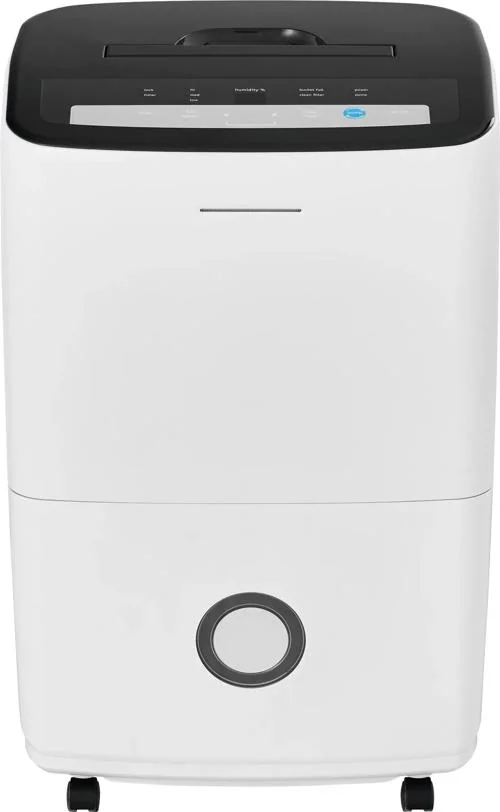
The Frigidaire Dehumidifier with Pump is a compressor-style (condensing) dehumidifier meant for the kind of damp spaces that make a house feel musty: basements, laundry rooms, storage rooms, and other areas that do not get much help from air conditioning or heat. It pulls humid air across cold coils, turns that moisture into water, and collects it so you can get it out of the room.
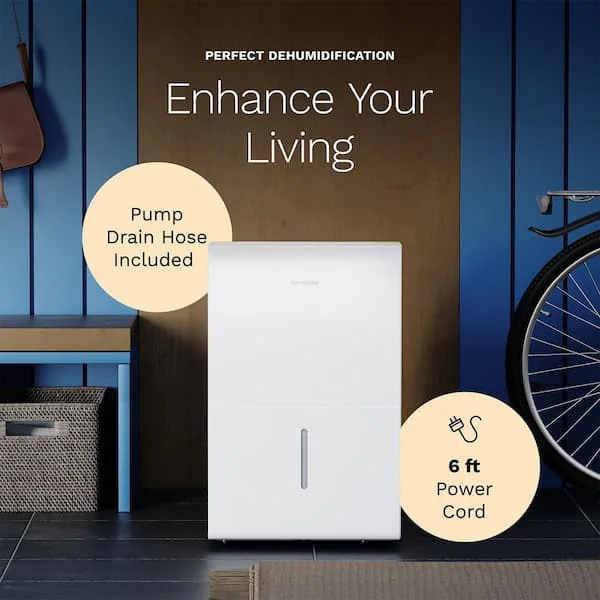
What separates this model from a basic dehumidifier is how it handles that collected water. Instead of relying only on a bucket you empty by hand or a gravity hose that has to run downhill, it includes a pump so it can send water upward to a sink or out a window. That is what makes it a realistic “run it for weeks” option in basements that do not have a convenient floor drain.
It also focuses on smart control. You can monitor and control it through Frigidaire’s app on iOS and Android, and it can sync with Amazon Alexa and Google Assistant for voice control. In daily life, that means you can check humidity and change settings without walking to wherever the unit lives.
Why it stands out
The pump is the practical feature here. A gravity drain is only “continuous” if you can run a hose downhill the whole way to a drain. In a lot of basements, that is not realistic. A pump solves that by pushing water up to a utility sink, out a window, or to another drain point that is higher than the machine.
The app control is the second reason to pay for this Frigidaire. If the dehumidifier is in a dark basement, a crawl-adjacent storage room, or a second home you only visit occasionally, remote monitoring and control changes how you use it. You can check in, adjust settings, and avoid the annoying routine of walking downstairs just to see if it is still running or if humidity is creeping back up.
The main reason not to default to this model is durability risk. Frigidaire dehumidifiers draw more mechanical-failure complaints than the Midea Cube line. That does not mean every unit fails early, but it does mean you should buy this Frigidaire for the features you will actually use (pump plus smart control), not because you assume it is the longest-lasting option in the category.
What it is like to own
A dehumidifier is only as convenient as its drainage setup. If you use the pump, you can route water to a sink or out a window even when the hose has to go upward. That is the difference between “I have to remember to empty the bucket” and “I can let it run through a humid stretch without thinking about it.”
Smart control matters most when the unit is out of the way. Instead of going downstairs to change a humidity target or to confirm it is still running, you can do that from your phone. If you use voice assistants, the Alexa and Google Assistant support adds another way to control it without being in the room.
Like any compressor dehumidifier, expect it to run for long periods when humidity is high. That is normal. If you are putting it near a living space, noise and energy use become part of the ownership experience. If it is in a basement or utility area, the bigger day-to-day concern is simply making sure the drainage path is secure so you are not dealing with a loose hose or a bad routing choice.
What to know before you buy
Do not shop by “covers X square feet” claims alone. Layout, airflow, temperature, and how wet the space is matter more than floor area. A basement with multiple rooms, closed doors, or chronically damp walls can be a much heavier moisture load than the same square footage upstairs.
A pints-per-day rating is a standardized comparison number, not a promise for every basement. Real-world removal drops in cooler spaces, and basements are often cooler. That is also why many dehumidifiers periodically pause to defrost their coils in colder conditions, which can slow moisture removal.
Finally, pumps are convenient but they add complexity. Pump failures are common across the category. If you do not truly need upward drainage, a simpler gravity-drain setup can be the more reliable long-term approach.
The specs that matter
A pump can move water upward to a sink or out a window, so you can set up continuous drainage even when there is no floor drain nearby.
If the unit is in a basement or second home, you can check in and adjust settings without walking to the machine.
Useful if you already use voice control at home and want quick changes without opening an app.
This is the common, effective style for whole rooms and basements. It condenses moisture on cold coils and collects it as water.
The less you rely on carrying a full bucket, the more likely you are to run the machine consistently through humid weather.
If you want the best odds of a long service life, this is a reason to consider Midea instead unless the Frigidaire app features are a must-have.
Who this product fits
Your basement has no floor drain
This is where the pump earns its keep. You can route water up to a utility sink or out a window and keep the dehumidifier running without emptying a bucket every day.
You want to keep a storage room dry but you rarely go in there
App control lets you check humidity and change settings from upstairs. You are less likely to ignore the problem until the room smells musty again.
You manage a second home and want to monitor humidity remotely
Remote monitoring and control is the point. You can keep tabs on conditions and make adjustments without being on-site, which is helpful during long humid stretches.
What else to compare
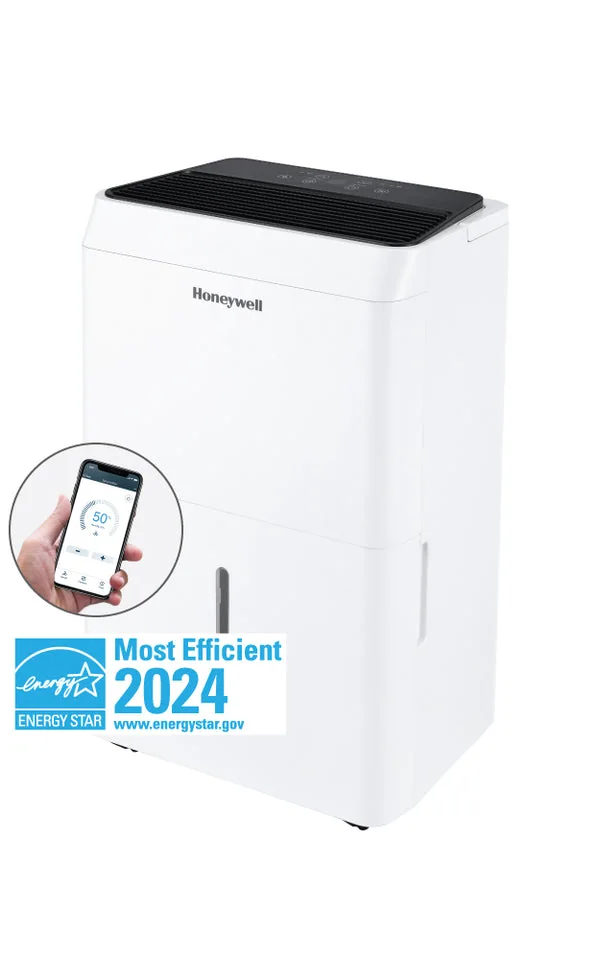
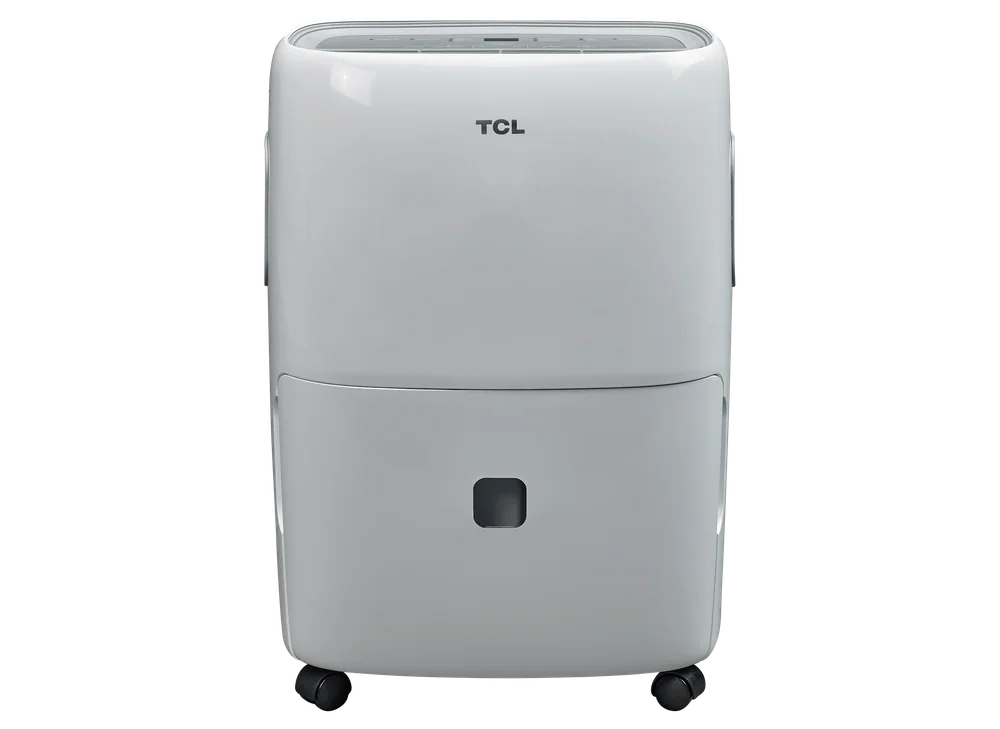
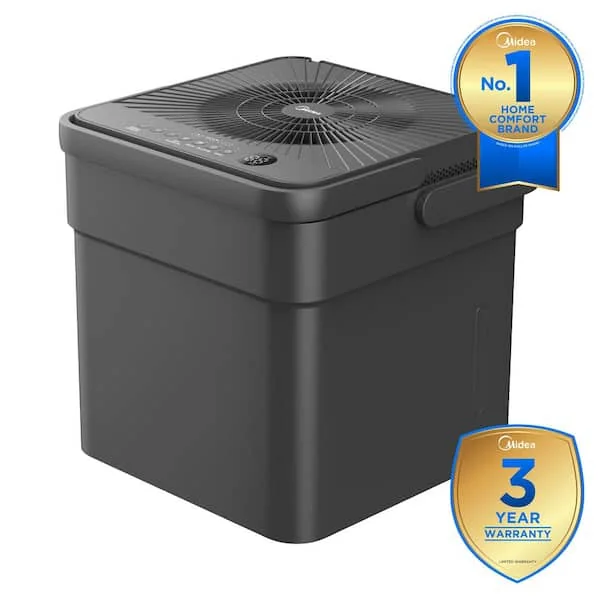
If the Frigidaire Dehumidifier with Pump is not the right fit, these are the models that make more sense for specific priorities.
Frigidaire Dehumidifier with Pump FAQ
Can the Frigidaire Dehumidifier with Pump drain upward into a sink?
Yes. The built-in pump is designed to move collected water upward, which is the main advantage over a gravity drain hose that has to run downhill the whole way.
Is the Frigidaire Dehumidifier with Pump a good choice for a basement?
Yes, especially if the basement is out of the way and you want continuous drainage. The pump helps when there is no convenient floor drain, and the app makes it easier to monitor and adjust settings without walking downstairs.
Does the Frigidaire Dehumidifier with Pump have Wi-Fi and app control?
Yes. You can monitor and control it through Frigidaire’s app on iOS and Android, and it can also sync with Amazon Alexa and Google Assistant.
Should I buy this or the Midea 50 Pint Cube?
Choose this Frigidaire when app control and pump-driven drainage are priorities. If you mainly want the strongest durability track record and quieter, more reliable long-term ownership, the Midea Cube line is the safer bet based on complaint patterns.
How much water will it actually remove per day?
That depends on the room conditions. Pint-per-day ratings are measured under standardized warm, humid conditions, and real output typically drops in cooler or less humid spaces like many basements.
Should you buy the Frigidaire Dehumidifier with Pump?
Buy the Frigidaire Dehumidifier with Pump if you need two things: upward drainage and remote control. That combo is what makes it feel hands-off in real life, especially in basements without a floor drain or in homes where you do not want to keep checking on the machine.
Skip it if you are mainly trying to maximize long-term durability and you do not care about app features. In that case, you are better off putting your money toward a model line with a stronger reliability track record, and only paying for a pump if your space truly requires upward drainage.