
What to know first
- This is a 50-pint class dehumidifier meant for large, damp spaces, not small rooms.
- The included pump is the big deal: it can move water to a drain point that is not downhill from the unit.
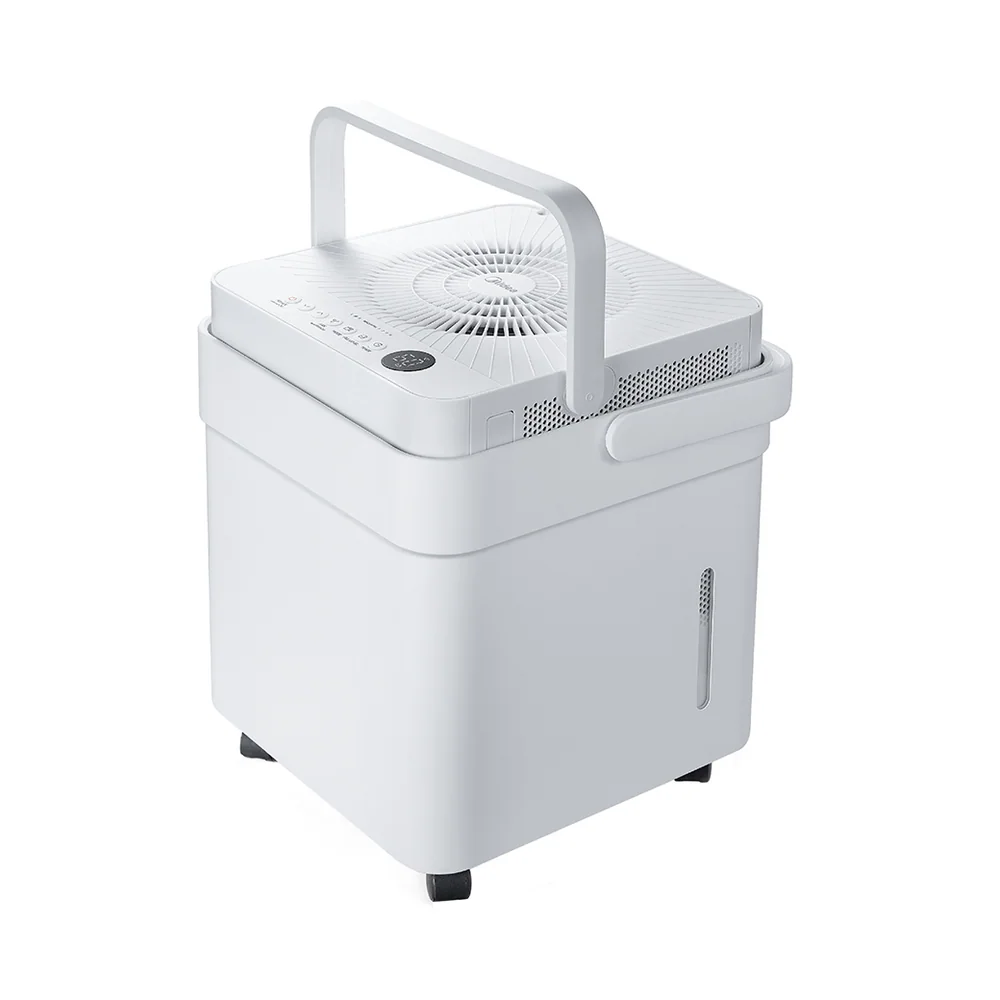
- Cube design uses a larger base tank than typical dehumidifiers, which can reduce how often you empty it.
- Real-world water removal depends heavily on temperature and humidity. Cooler basements usually mean less water pulled per day and more defrost pauses.
- If you can set up a hose to drain continuously, ownership gets much easier than relying on manual emptying.
What the Midea Cube 50-Pint Dehumidifier with Pump (MAD50S1QWT) is
The Midea Cube 50-Pint Dehumidifier with Pump (MAD50S1QWT) is a compressor-style dehumidifier built for large rooms and basements. “50-pint” is the standard size class for the bigger, more capable home units. It refers to how much water the machine can remove in a day under standardized warm, humid conditions, not how big the bucket is.
What makes this model different from many 50-pint dehumidifiers is the drainage flexibility. It is a pump-equipped unit, which means it can send collected water upward to a sink or out a window instead of relying on a gravity hose that must slope downhill the whole way.
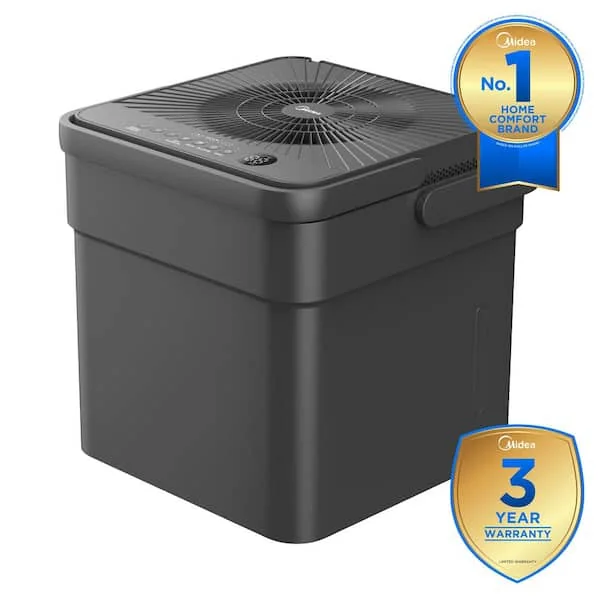
It also uses Midea’s Cube layout: a water-collection base with the dehumidifier body sitting on top. In plain terms, it is designed to be less of a daily hassle, especially when you are running it for long stretches during humid months.
Why it stands out
The pump is the feature that changes how you can use a dehumidifier. With a typical gravity drain, you need a drain location that is lower than the dehumidifier and close enough that you can keep a steady downhill slope. In a lot of basements, that is not reality. A pump-equipped setup gives you options: you can run a hose to a utility sink, route it to a window, or otherwise get water out without lifting a bucket every day.
The Cube design is the other practical win. Traditional dehumidifiers tend to have a smaller bucket that slides out near the floor. The Cube collects water in a larger base tank, which can mean fewer emptying trips when you are not using a hose. It is still water, though, and water is heavy. A bigger tank can be a blessing for convenience and a curse if you plan to carry it around full.
Capacity-wise, this is aimed at the “big space” job. In dehumidifiers, the larger size class is often about livability as much as raw power. A unit that can remove more moisture per day usually does not have to run as long to get the room under control, which is exactly what you want in a damp basement that stays humid for weeks at a time.
What it is like to own
Day to day, the biggest quality-of-life decision is whether you set it up to drain continuously. If you can use the pump (or a gravity hose in a different setup), you avoid the most annoying part of dehumidifiers: pulling out a bucket, carrying it to a sink, and putting it back, sometimes daily. Continuous drainage is what turns a dehumidifier into something you can mostly forget about during a humid stretch.
If you do rely on the tank, the Cube’s larger base tank is meant to reduce how often you empty. The flip side is that when it is full, you are dealing with a lot of water weight at once. For some homes, it makes sense to empty more often so you are not carrying a heavy load.
Basement conditions matter. Cooler rooms can trigger defrost cycles where the unit pauses dehumidifying to keep the coils from icing up. That is normal behavior for compressor dehumidifiers, but it means water removal can slow down in chilly basements compared with the warm, humid conditions used for the headline pint-per-day rating.
What to know before you buy
Do not shop dehumidifiers by “covers X square feet” claims alone. Layout, air movement, how damp the space is, and basement temperature can matter more than floor area. A 50-pint class unit is generally the right starting point for basements and other challenging spaces, but the real question is how wet the space is and whether you can drain it continuously.
The 50-pint rating is a comparison tool, not a promise for every basement. In cooler or less humid rooms, any dehumidifier will pull less water per day than its rating suggests. If your basement is cool, expect slower water collection and periodic defrost pauses.
Finally, confirm your drainage plan before you buy. A pump helps a lot, but you still need a sensible hose route and a safe place for the water to go. If you already have a floor drain and can run a gravity hose with a clean downhill slope, a non-pump model can be simpler.
The specs that matter
This is the common size class for large rooms and basements. It is built for heavier moisture loads than smaller 20-pint class units.
A pump lets the unit send water upward to a sink or out a window, so you can run it unattended even when you do not have a floor drain.
Continuous drainage is what makes a dehumidifier feel low-maintenance during long humid stretches. It can eliminate daily bucket emptying.
The design is meant to make water collection and storage more convenient than a small pull-out bucket near the floor.
In cooler basements, the unit may pause to defrost the coils. That can reduce effective water removal compared with warm, humid conditions.
Who this product fits
Basement with no floor drain, only a utility sink
The Midea Cube 50-Pint Dehumidifier with Pump (MAD50S1QWT) can run a hose to the sink and push water up as needed, so you are not emptying a bucket every day after rain or during peak summer humidity.
Large, damp finished basement where noise matters
A 50-pint class unit is sized for the job, and the Cube approach is designed around livability. Set it up for continuous drainage and it becomes a background appliance instead of a daily chore.
Laundry room that gets muggy for days at a time
If the space stays humid and you can route drainage to a nearby sink or drain point, the pump-equipped Cube can keep humidity in check without constant emptying.
What else to compare
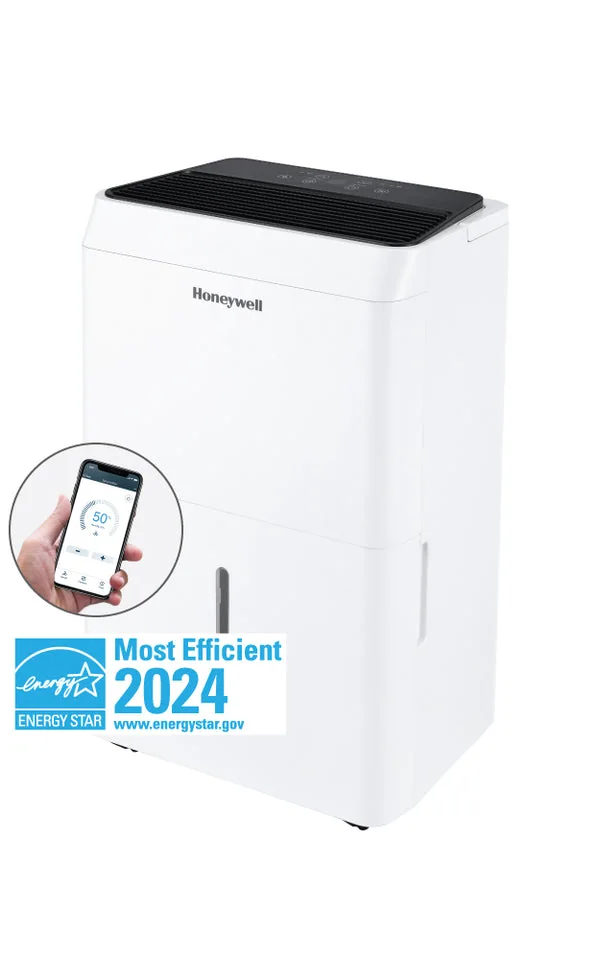
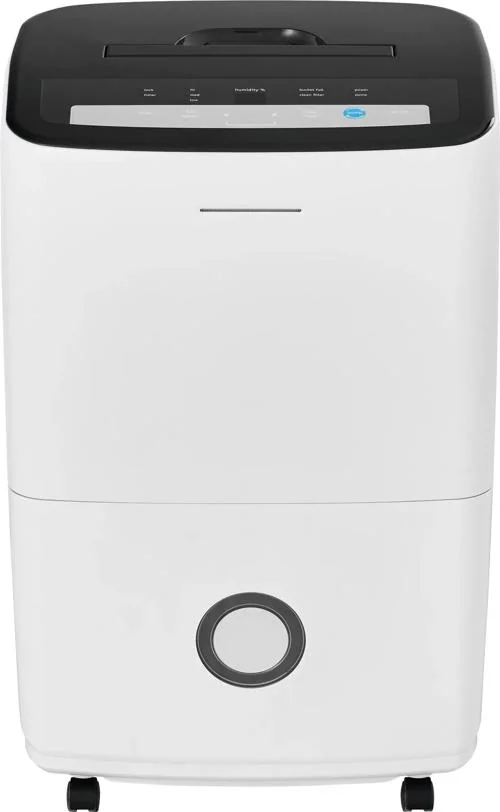
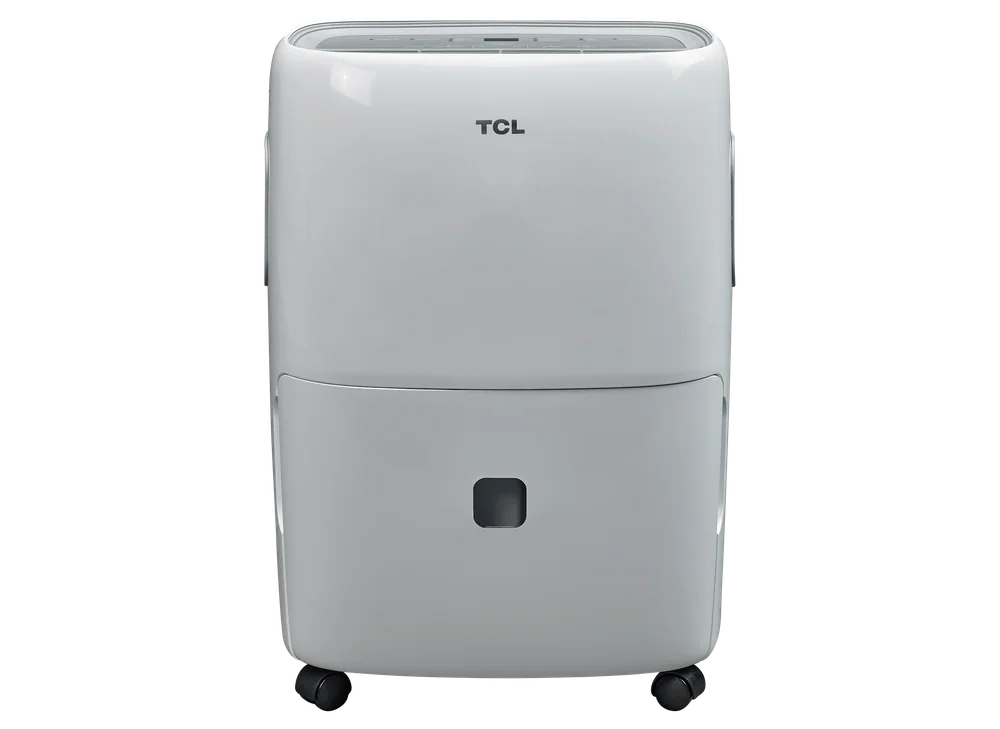
If the Cube with pump is not the right fit, these are the other directions that make sense for the same general job.
Midea Cube 50-Pint Dehumidifier with Pump (MAD50S1QWT) FAQ
Is the Midea Cube 50-Pint Dehumidifier with Pump (MAD50S1QWT) good for basements?
Yes. It is in the 50-pint class that is commonly used for large, damp spaces like basements. The pump is especially useful in basements that do not have an easy floor drain.
What does “50-pint” mean on a dehumidifier?
It is a standardized rating for how much water the unit can remove in 24 hours under warm, humid conditions. In cooler or less humid rooms, real water removal is typically lower, so use the number to compare models in the same class.
Do I need a dehumidifier with a pump?
You need a pump if you cannot rely on gravity to drain water continuously. If your only drain option is higher than the dehumidifier or across the room without a steady downhill slope, a pump-equipped model is the straightforward fix.
Can I run this dehumidifier without emptying the tank?
Yes, if you set up continuous drainage to a suitable drain point. That is the main reason to buy the pump-equipped version: it is built to run unattended during long humid stretches.
Why do dehumidifiers remove less water in cool basements?
Cooler temperatures can cause the coils to frost, so the unit periodically pauses to defrost. Also, the standard pint-per-day rating is based on warmer, more humid conditions than many basements.
Should you buy the Midea Cube 50-Pint Dehumidifier with Pump (MAD50S1QWT)?
Buy the Midea Cube 50-Pint Dehumidifier with Pump (MAD50S1QWT) if you want one serious dehumidifier for a large space and you need the freedom to drain water where gravity will not help. The pump is what makes it a set-it-and-forget-it option in basements that would otherwise require constant bucket emptying.
If you already have an easy floor drain and can run a simple gravity hose, you may be happier with a non-pump Cube model for a simpler setup. But if drainage is the problem you are trying to solve, this pump-equipped Cube is the version that makes the most sense.