
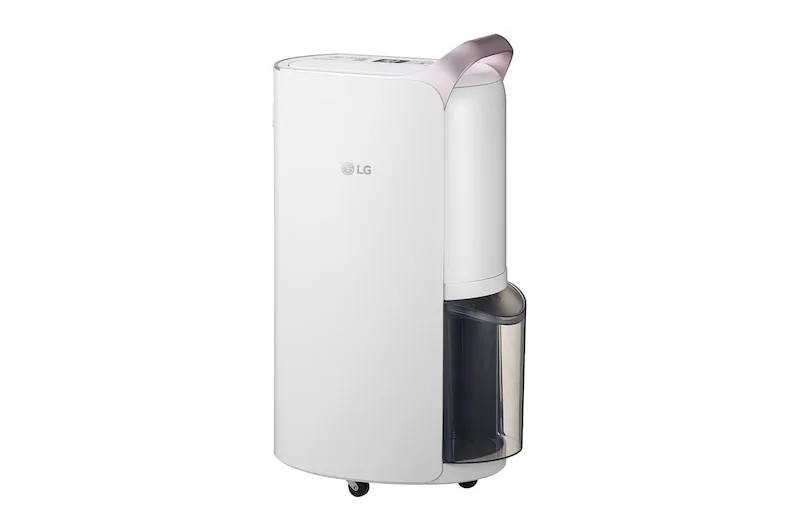
What to know first
- “LG Dehumidifier” refers to multiple models. Capacity, drainage, and pump features vary by model.
- For large rooms, capacity (pints per day) is mainly a comparison tool, not a promise for every basement.
- Continuous drainage is what makes a dehumidifier feel low-maintenance. Confirm hose fit, slope, and whether a pump is actually included.
- Basement temperature matters. Cooler rooms can trigger defrost cycles that pause dehumidifying.
- If you’re shopping by feature (quiet operation, remote access), a more feature-defined model can be an easier decision than buying by brand.
What the LG Dehumidifier is
An LG dehumidifier is a portable, compressor-based appliance that pulls moisture out of indoor air and collects it as water. You use it to make a damp space feel less muggy and to reduce the conditions that help mold and mildew thrive.
In day-to-day terms, a dehumidifier is most useful in rooms with poor airflow or persistent dampness, like basements, laundry rooms, and bathrooms. It runs for long periods when humidity is high, so the ownership experience is mostly about how often you deal with water removal and whether the sound level is acceptable where it’s placed.
Because LG sells multiple dehumidifier models, the experience can vary a lot. The capacity rating, the size of the water bucket, and whether it supports continuous draining (and how) are the details that decide whether it’s a set-it-and-forget-it appliance or something you’re emptying constantly.
Why it stands out
The main reason to choose an LG dehumidifier is brand familiarity. If you already like LG for other appliances and want that same comfort level in a dehumidifier, LG is a straightforward option in the large-room category.
LG has also shown up as a strong performer in a controlled comparison of 70-pint dehumidifiers, where a specific LG model (UD701KOG3) collected more water over a four-hour run than several other 70-pint units in the same lineup. That doesn’t mean every LG dehumidifier will behave the same way, but it does support the idea that LG can build a high-output portable unit when you choose the right model.
What LG does not clearly own, as a brand-wide differentiator, is a single must-have feature that makes the decision automatic. If you want a dehumidifier because you specifically need remote monitoring, or because you want an unusually large tank design, you’ll usually have an easier time shopping by that feature first and brand second.
What it is like to own
Owning a portable dehumidifier is mostly about water management. You either empty a bucket by hand or you set up continuous drainage with a hose. Continuous drainage is the difference between “I run it when I remember” and “it quietly handles humidity for weeks during a wet season.”
If you plan to use a hose, pay attention to the real-world setup: gravity drains need a continuous downhill path to a floor drain, sink, or sump. If your drain is higher than the dehumidifier, you need a model with a pump that can move water upward. Some dehumidifiers support a hose but do not include one, so you may need to buy it separately depending on the model.
Basements add another layer. In cooler rooms, dehumidifiers can frost up and periodically pause to defrost. That’s normal behavior, but it can make a unit feel less effective if you expected steady water removal in a chilly space. If your basement runs cool, it’s worth prioritizing models that clearly spell out frost control or low-temperature operation details.
What to know before you buy
Don’t buy an “LG Dehumidifier” based on a single headline claim like “covers thousands of square feet.” Floor area is a rough proxy at best. Moisture load, temperature, airflow, and layout can matter more than square footage, especially in basements and older homes.
Treat pints-per-day ratings as a comparison tool. Those ratings are based on standardized warm, humid conditions, and real output can drop in cooler or less humid rooms. If you’re trying to dry out a damp basement, it often makes sense to choose a larger capacity than you think you need so it can pull moisture down faster and you’re not dealing with the bucket as often.
Finally, confirm what “continuous drainage” actually means on the specific LG model you’re considering. A hose connection is not the same as a built-in pump. If you need unattended draining and your drain is not below the unit, a pump is the feature that makes it work.
The specs that matter
Capacity, bucket size, and drainage features can be totally different depending on the exact model number. You’ll get a better outcome by picking the model first, then checking the specs that affect daily maintenance.
The rating is measured in warm, humid conditions. In a cooler basement, you may see less water pulled per day, so it’s best used to compare models rather than predict exact results.
If you’re considering a large-capacity LG model, this supports that LG can deliver strong water removal in the right conditions. It’s not a guarantee for every LG model or every room, but it’s a useful signal when choosing among similar-capacity units.
A hose setup can turn a dehumidifier into a low-maintenance appliance during long humid stretches. Without it, you’re stuck emptying the bucket whenever it fills.
If your only drain is a sink or window well above the unit, a pump is what prevents daily bucket emptying. If your drain is on the floor, gravity drainage can be enough.
In basements, this can reduce effective water removal and make the unit feel like it runs without collecting much. If your space is cool, prioritize models that clearly address frost control.
Who this product fits
You want to dry out a musty, open basement
An LG dehumidifier can pull moisture out of the air and make the space feel less damp, which helps with that musty basement vibe. For this to feel effortless, choose a higher-capacity model and plan for continuous drainage to a floor drain or sump so you’re not hauling a heavy bucket.
You’re shopping for a large room and you mostly care about buying a known brand
If you’re the kind of shopper who sticks with brands you’ve had good luck with, LG is a sensible choice. Just make sure you’re comparing the exact LG model’s capacity and drainage setup against other large-room options so you’re not paying extra for a name while missing a feature you actually wanted.
You need hands-off draining but your drain is not below the unit
Look specifically for an LG model that includes a pump, not just a hose port. A gravity hose won’t help if the water has to go up into a sink or out through a window.
You’re putting it near living space and don’t want it to be annoying
Because dehumidifiers can run for long periods, noise matters. If quiet operation is your top priority, you may be better off choosing a model that’s explicitly positioned around low noise, then comparing it to LG’s closest match.
What else to compare
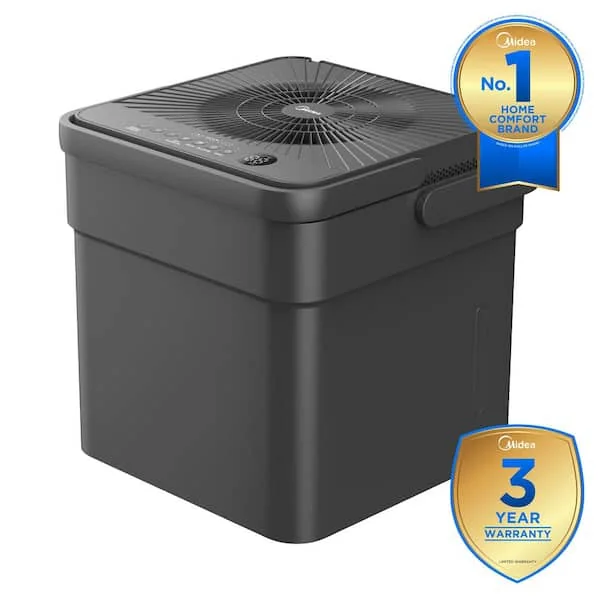
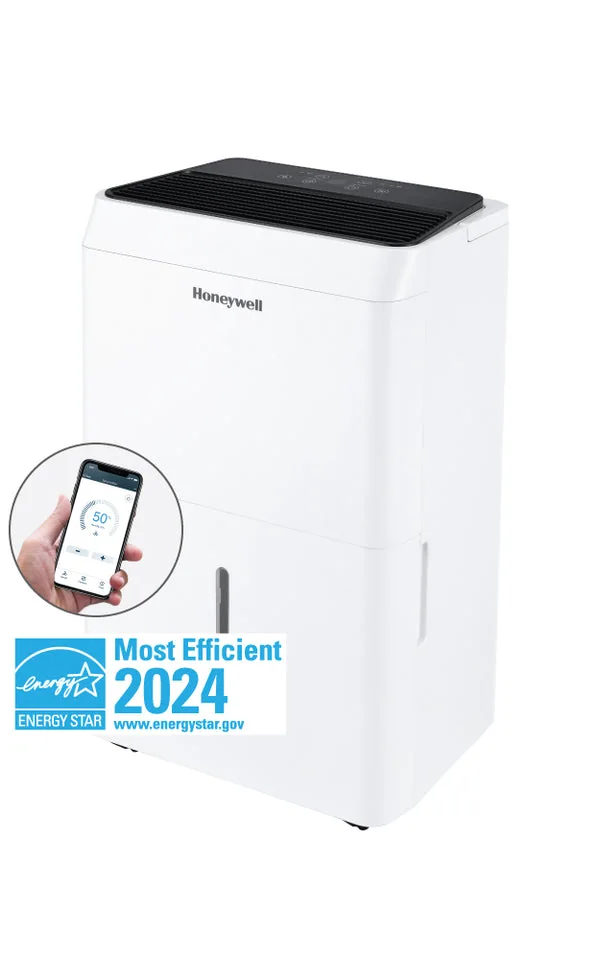
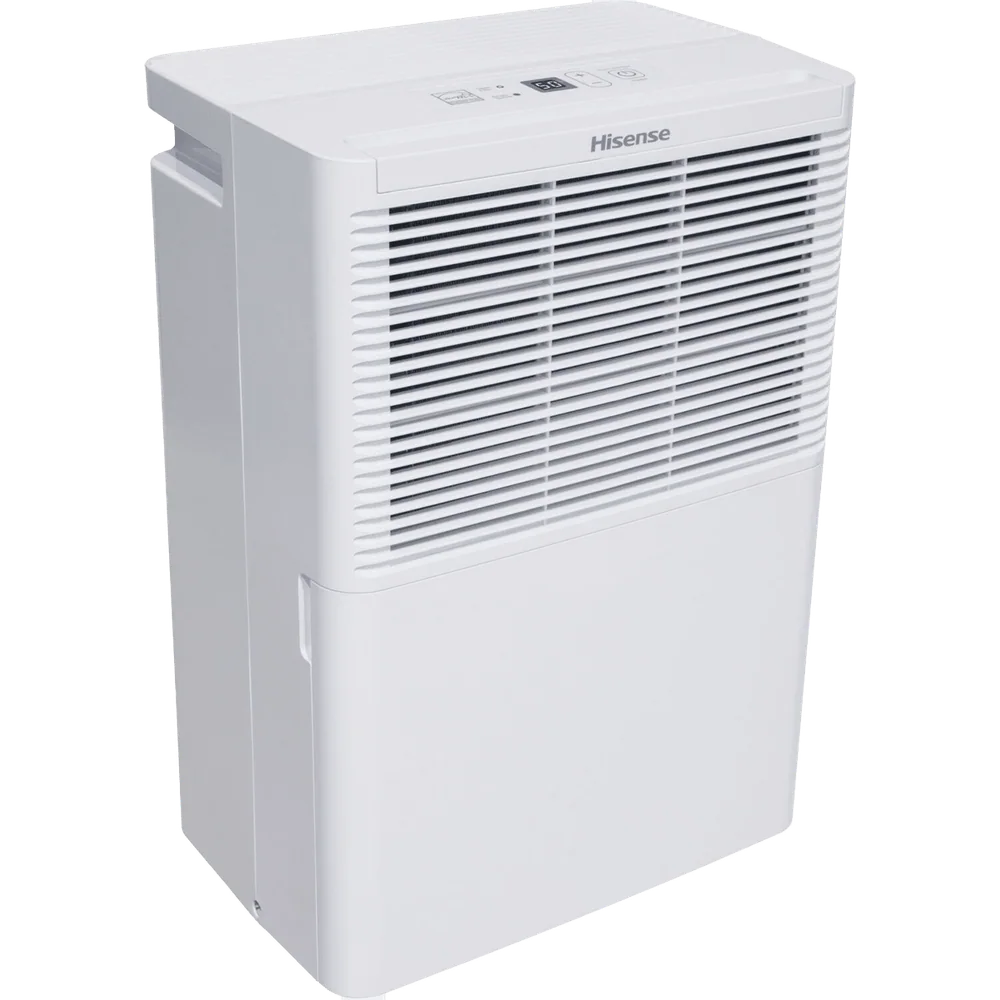
If you want a large-room dehumidifier with a clearer feature-based reason to buy, start here.
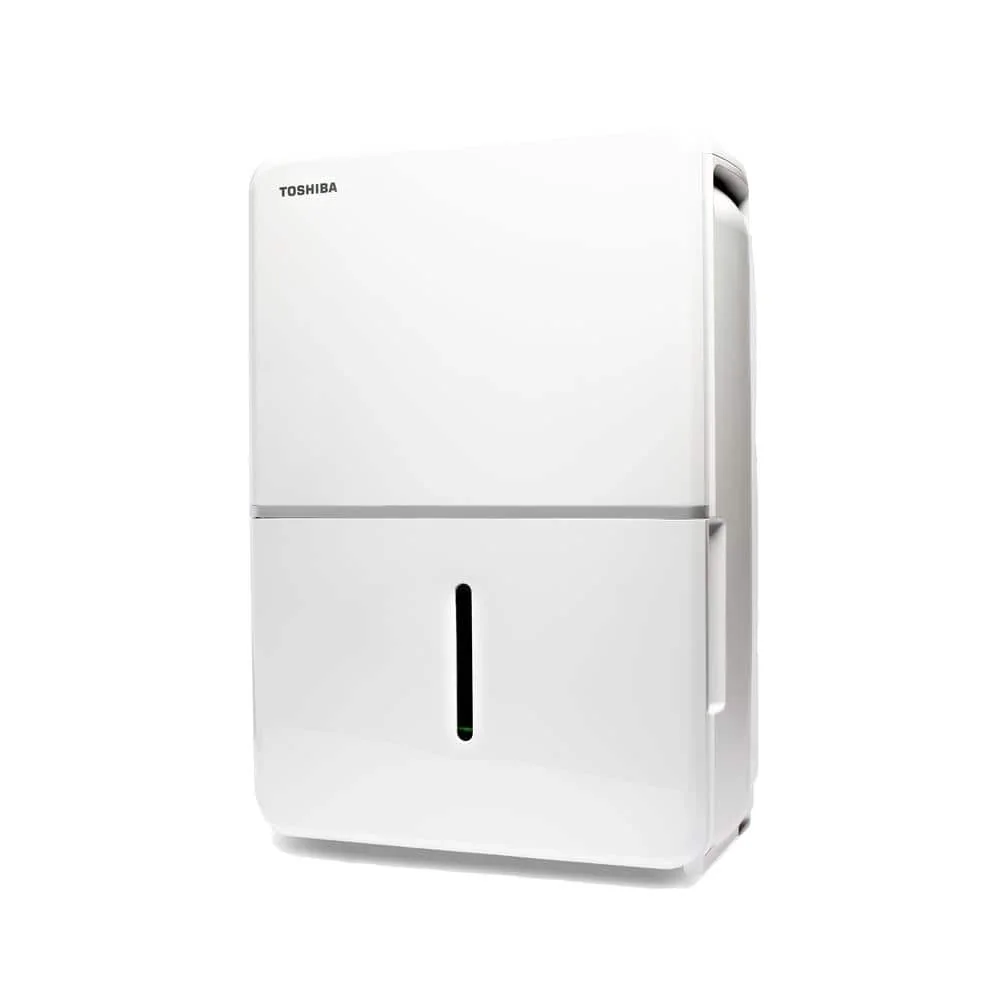
LG Dehumidifier FAQ
Which LG dehumidifier should I buy for a large room?
Start with capacity (pints per day) and drainage. For large rooms, a higher-capacity unit is usually easier to live with because it removes moisture faster and can reduce how often you deal with the tank. Then confirm whether the specific LG model supports continuous drainage and whether it includes a pump if you need to move water upward.
Do LG dehumidifiers really remove their rated number of pints per day?
The pints-per-day rating is measured under standardized warm, humid conditions. In cooler or less humid rooms, real water removal can be lower. Use the rating to compare models, not as a promise for every basement.
Can an LG dehumidifier drain continuously into a sink or floor drain?
Many portable dehumidifiers can be set up with a hose for continuous drainage, but the details depend on the exact model. If you’re relying on gravity drainage, the hose needs a continuous downhill path to the drain. If the water has to go upward, you need a model with a pump.
Is an LG dehumidifier a good choice for a basement?
It can be, but basement temperature matters. Cooler basements can cause the unit to pause periodically to defrost, which affects how quickly it removes water. If your basement runs cool, look closely at frost control and low-temperature behavior on the specific model.
What’s the main reason to choose LG over other dehumidifier brands?
Brand familiarity is the cleanest reason. If you want a premium-leaning, widely recognized appliance brand and you’re comfortable choosing based on the exact model’s specs, LG fits. If you want a single standout feature like remote access, it’s often easier to shop for that feature directly.
Should you buy the LG Dehumidifier?
Buy an LG dehumidifier if you want a familiar, premium-leaning appliance brand and you’re willing to choose carefully among LG’s models. In a large room, the right capacity and a workable drainage plan are what make the purchase feel like money well spent.
Skip it if you’re hoping the brand name alone tells you it’s the best option for your specific space. If you want a dehumidifier with a clearly defined advantage like remote access or a distinctive high-capacity tank design, you’ll usually get to a better answer faster by choosing a model that’s built around that feature first, then comparing it to LG’s closest equivalent.