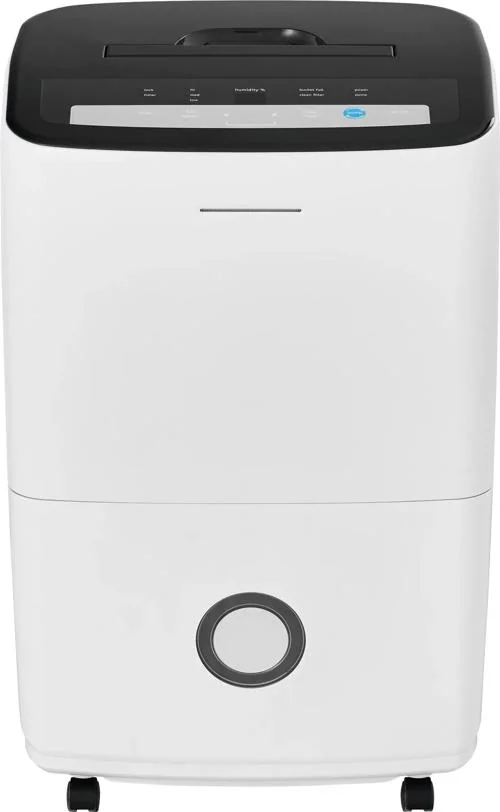
Pick a basement or crawlspace dehumidifier by moisture load, temperature, and how you will drain water, not by a big square-foot claim.
Reading time: 9 minutesBest for: Homeowners dealing with damp basements or crawlspaces who need reliable, low-hassle humidity control.
A specific section heading
Start by separating "wet" from "humid." If you see standing water, active dripping, or water stains that grow after rain, a dehumidifier is only a helper, not the fix. It can lower airborne moisture, but it cannot keep up with ongoing water entry. In basements, condensation is also common: warm, humid air hits cool concrete walls or cold pipes and turns into water. In crawlspaces, exposed soil can constantly release moisture upward, even without visible puddles.
Your setup choices should match the moisture source. If the crawlspace is vented and pulls in humid summer air, the dehumidifier may run constantly unless the space is sealed and air leaks are reduced. If the basement is cool, compressor units can remove less water and may spend time defrosting. The practical takeaway is to address obvious water and air pathways first, then use the dehumidifier to handle the remaining moisture load. That usually costs less to run and works more consistently.
A specific section heading
Drainage is the difference between a dehumidifier you "own" and one you actually use. A bucket is fine for a small, occasionally damp room, but basements and crawlspaces often need continuous operation during long humid stretches. Gravity drainage means attaching a hose to the drain outlet and running it downhill the entire way to a floor drain or sump. Any uphill section or sag can trap water and cause backups or leaks.
If there is no convenient downhill path, look for a unit with a built-in pump. A pump can push condensate upward to a sink, a standpipe, or a drain line, but it adds parts that can clog or fail if neglected. Plan the hose route so it cannot kink, get stepped on, or freeze in winter. Also check the hose connection size and how securely it clamps. A loose hose in a basement can create the very moisture problem you are trying to reduce.
A specific section heading
Basement temperature matters more than most people expect. Most portable compressor dehumidifiers work by chilling a coil so moisture condenses and drips into the bucket or drain. In cooler spaces, that coil can frost, which forces the unit to pause and defrost. Defrost behavior is normal, but frequent defrost cycles mean less water removed per hour and more time with the fan running without much dehumidifying.
If your basement or crawlspace stays cool for long periods, pay attention to the stated operating temperature range and how the unit handles low temperatures. Desiccant dehumidifiers use moisture-absorbing material instead of a cold coil, so they can be a better fit for cooler spaces, but they often use more electricity per pint removed. The ownership consequence is simple: a unit that is mismatched to temperature will feel "weak," run longer, and cost more to operate.
A specific section heading
Ignore "covers X square feet" as your main sizing tool. Two basements with the same floor area can have totally different moisture loads based on soil moisture, air leaks, insulation, and how often doors are opened. Use pints per day as a comparison number, but remember it is measured in warm, very humid conditions. In a cooler basement, real-world removal can be much lower, so you want some headroom rather than a unit that is barely adequate on paper.
Also think about air movement and placement. A dehumidifier needs clear space for intake and exhaust, and it works best when air can circulate around the room. Shoving it against a wall or into a tight corner reduces airflow and performance. In long, divided basements, you may need to place the unit near the dampest zone or use fans to move air. If the space is encapsulated or tightly sealed, the dehumidifier's job gets easier and results are more predictable.
What this guide helps you understand
Choose a basement or crawlspace dehumidifier by drainage plan, temperature behavior, and moisture load, not by square footage marketing.
Confirm you have a true continuous-drain path (downhill hose to a drain) or choose a unit with a built-in pump and a safe hose route.
Technique notes
Clean or replace the air filter on schedule and keep the coil area clear, because restricted airflow reduces water removal and can increase frosting in cool basements.
Safety note: Keep the unit plugged into a properly grounded outlet and route drain hoses so they do not create a trip hazard or leak onto electrical cords.