
Pickori

Practical guide

Food Processor Blades and Discs Explained

Know what an S-blade, slicing disc, shredding disc, dough blade, and specialty kit actually do.

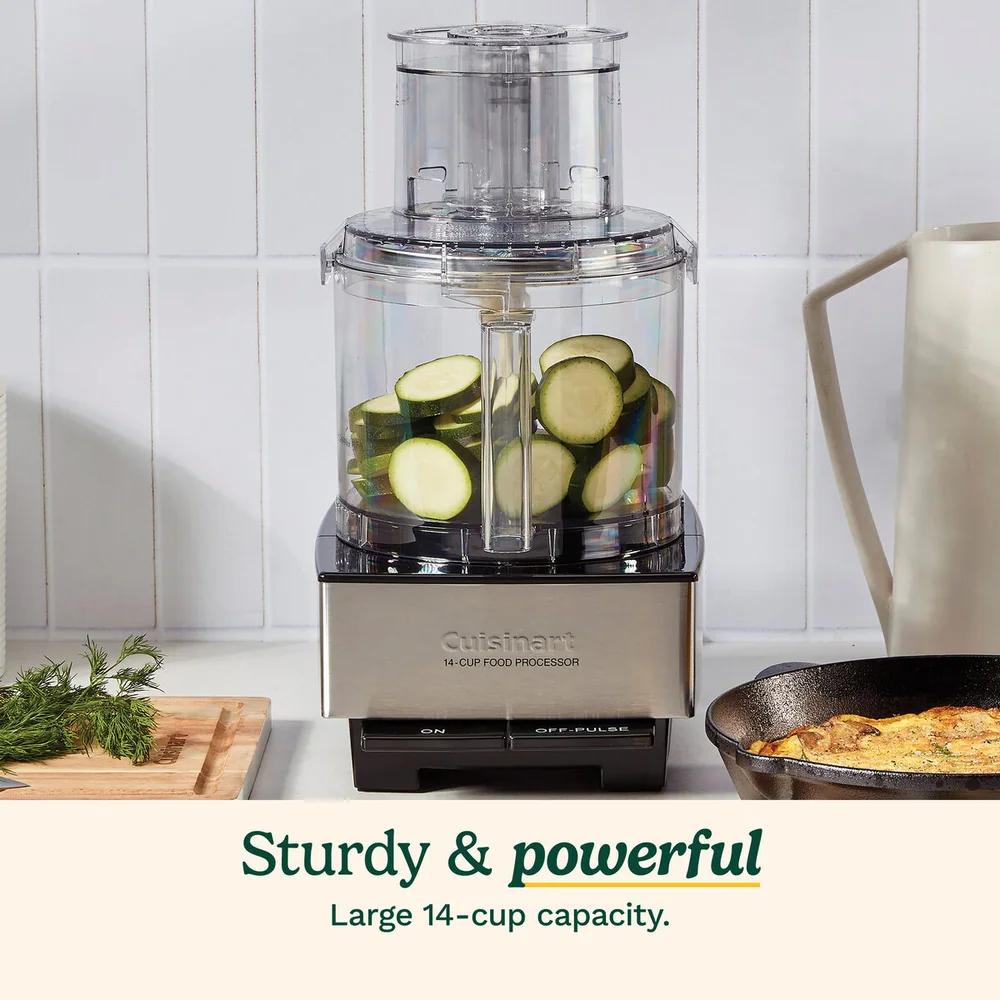
Cuisinart Custom 14-Cup Food Processor DFP-14BCNY

The S-blade chops and mixes

The multipurpose metal blade sits low in the work bowl and handles chopping, mincing, mixing, many purées, crumbs, and some dough methods. Its speed means seconds can separate coarse pieces from paste.

Use pulse for controlled texture and continuous processing only when the recipe and manual call for it. Stop the motor before scraping the bowl.
Discs work at the top

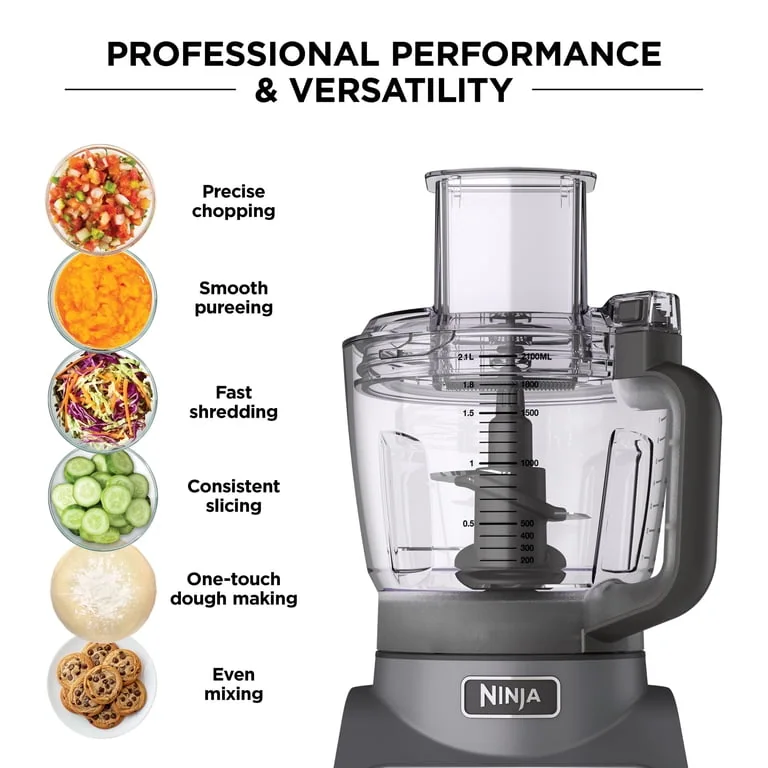
Slicing and shredding discs process food as the pusher guides it through the feed tube. A reversible disc may put fine and coarse shredding on opposite faces; an adjustable slicer can offer several thicknesses.

Install the correct side facing up and use the matching spindle. Do not reach into a feed tube or push food with a utensil or hand.

Dough blades change the action

A plastic dough blade is intended to combine and knead with a gentler edge than a sharp metal blade. Some processors instead specify the metal blade for certain dough quantities.

Follow the model's flour and dough limits. Capacity, recipe hydration, run time, and motor design matter more than the mere presence of a dough accessory.

Specialty attachments need a storage plan

Dicing grids, julienne discs, French-fry discs, mini bowls, whisks, and citrus accessories can expand the machine, but they add sharp edges and assembly steps.

Count the pieces you will genuinely use. A simple processor with an accessible S-blade and two good discs can be more useful than a kit whose parts stay boxed.

Products that fit this practical guide

As an Amazon Associate I earn from qualifying purchases.

More from Food Processors

← Back to Food Processors