
Pickori

Practical guide

Food Processor vs. Blender vs. Food Chopper

Choose the tool that fits slicing, shredding, chopping, puréeing, liquids, and small batches.

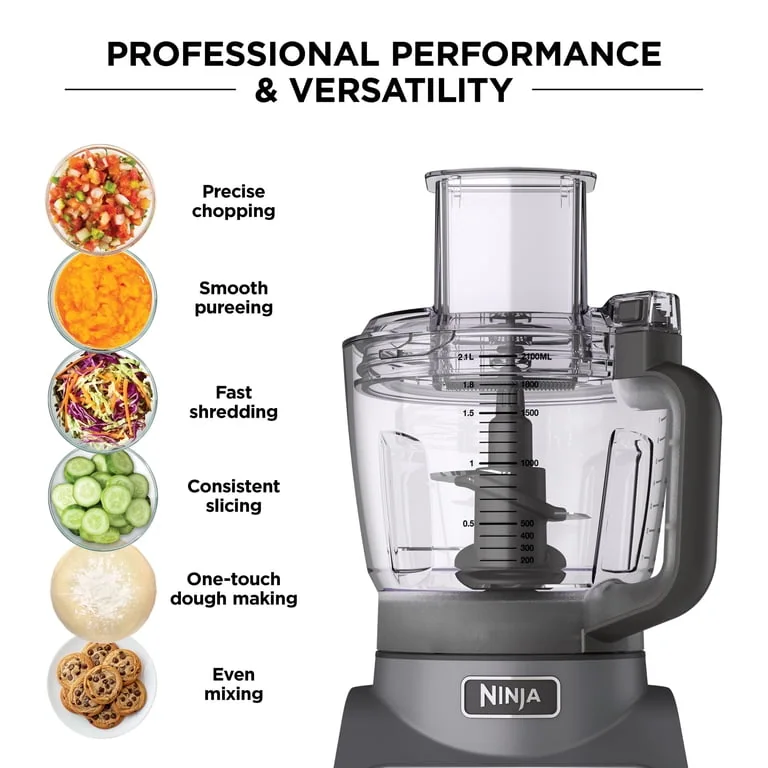
Ninja Professional Food Processor

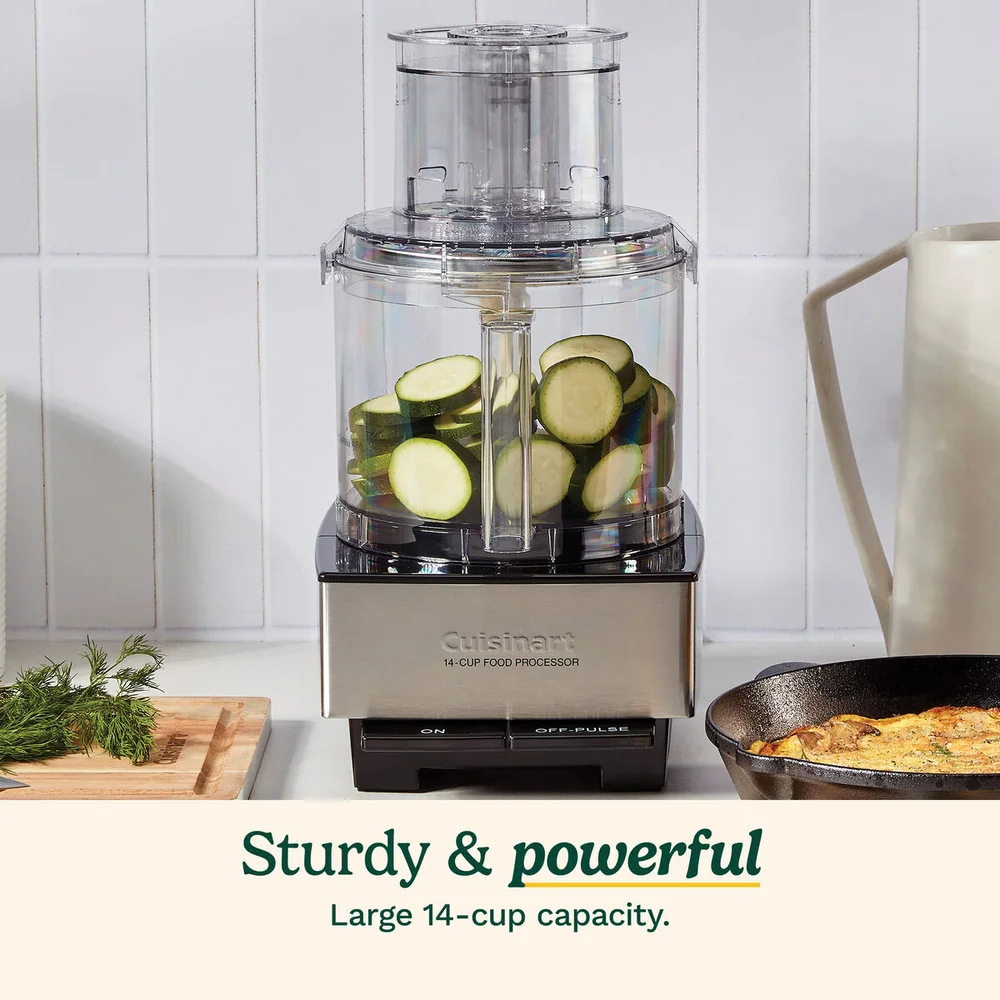
Use a processor for cut variety

A full-size processor can chop with an S-blade and slice or shred with discs. Its wide bowl handles thicker mixtures and gives larger ingredients room to move.

It is the natural choice for slaw, shredded cheese, pie dough, falafel, breadcrumbs, and repeated vegetable prep when the proper attachment is included.
Use a blender for flowing mixtures

A blender's tall jar and fixed blade are designed to create circulation in liquids. Smooth soups, drinks, and pourable purées are usually more natural blender jobs.

A processor can make hummus, pesto, and some purées, but it may not produce the same smooth vortex or handle hot liquids unless its manual explicitly permits them.

Use a chopper for small, simple work

Mini choppers are easy to lift and wash for garlic, herbs, nuts, dressings, and small amounts of vegetables. Most do not have the feed tube or slicing and shredding discs of a full processor.

They are less suitable for family-size batches or heavy dough. Their appeal is speed from cabinet to sink, not maximum versatility.

Do not force the wrong tool

Never process an ingredient that the manual excludes, and do not defeat a lid or pusher interlock. Ice, very hard spices, bones, hot liquids, and excessive dough can be model-specific hazards.

If two appliances can do the job, choose the one that keeps ingredients moving without overfilling and has the safer, simpler cleanup path.

Products that fit this practical guide

As an Amazon Associate I earn from qualifying purchases.

More from Food Processors

← Back to Food Processors