
Pickori

Practical guide

How to Choose the Right Food Processor Capacity

Match bowl size to real batch volume, ingredient shape, liquid limits, dough, storage, and cleanup.

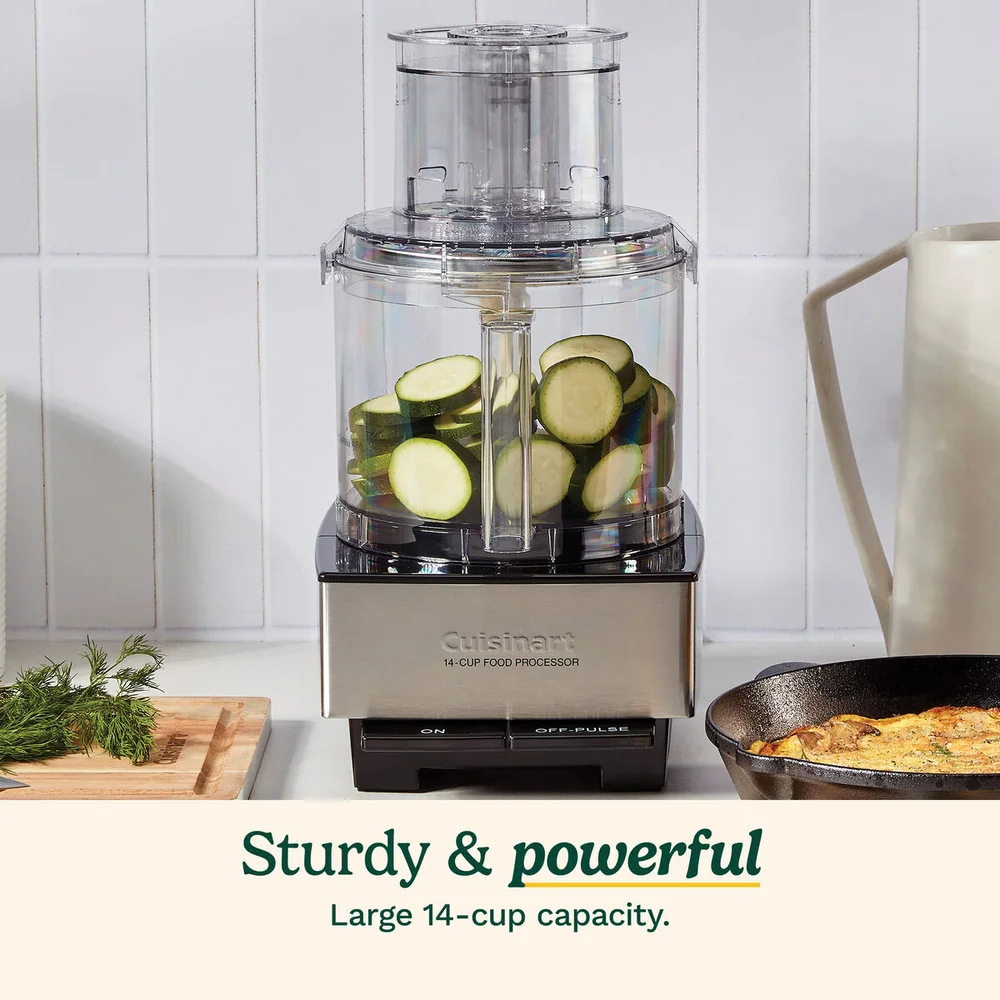
Cuisinart Custom 14-Cup Food Processor

Start with your repeat batch

List the jobs you do every week and the amount you prepare: one onion, a family-size slaw, two pie crusts, or a batch of pizza dough. Choose for that repeat workload before planning for the largest holiday meal of the year.

Small bowls work well for herbs, nuts, sauces, and modest chopping. Full-size bowls create room for slicing discs, larger feed tubes, dough, and meal-prep quantities.
Leave working headroom

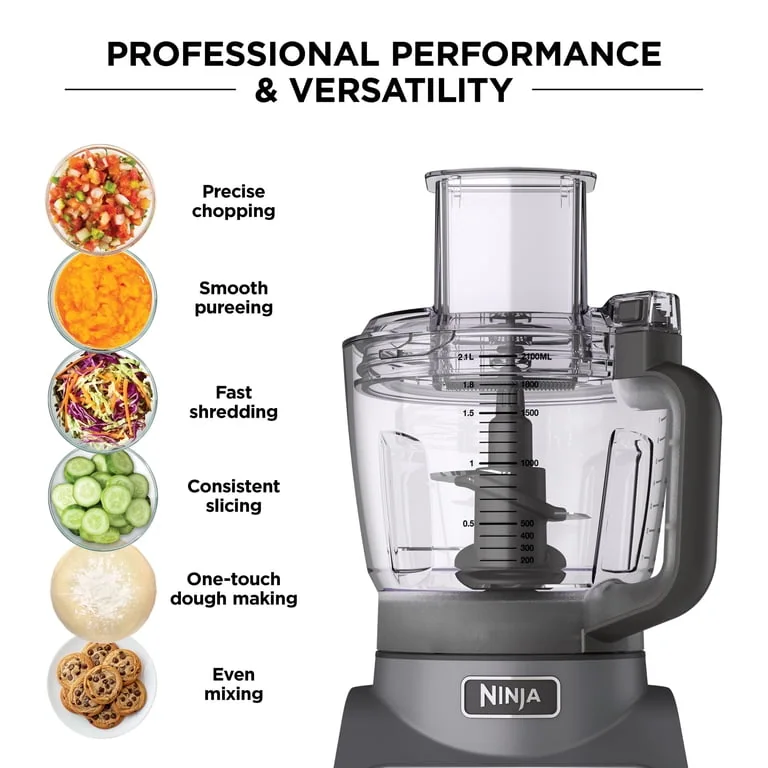
The printed bowl volume describes the container, not necessarily the maximum safe amount for every ingredient. Liquids, sticky dough, and foods that expand or ride up the walls can need a much lower limit.

Read the exact manual for liquid and dough limits. Overfilling can create uneven texture, leaks, strain, or unsafe handling around the blade.

Measure the whole machine

Record counter height below cabinets, cabinet depth, base weight, bowl width, and the space needed to lift the lid. Also measure the accessory box if discs do not store inside the bowl.

A processor used weekly should be easy to retrieve. A larger machine that lives behind other appliances may save less time than a modest model that stays accessible.

Know when two sizes make sense

A mini chopper plus a full-size processor can be practical when you alternate between garlic-size jobs and large shredding batches. The small bowl avoids smearing tiny amounts around a large work bowl.

Two appliances also mean two sets of parts and storage locations. If space is tight, look for a full-size model with a well-designed nested mini bowl instead.

Products that fit this practical guide

As an Amazon Associate I earn from qualifying purchases.

More from Food Processors

← Back to Food Processors