
Pickori

Practical guide

How to Pulse a Food Processor for Better Texture

Use batch size, ingredient prep, pulse timing, and visual checks to avoid uneven chopping or paste.

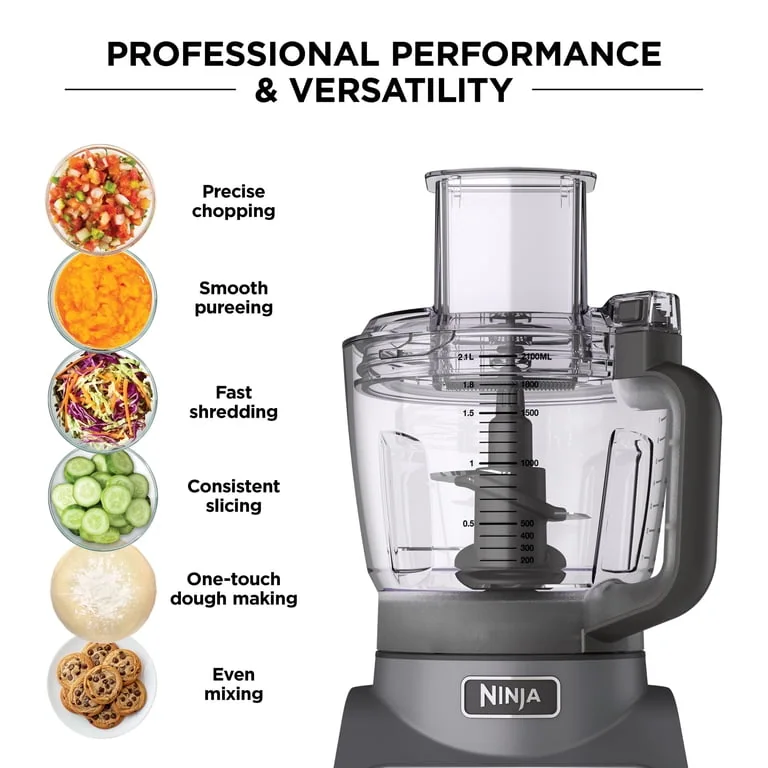
Ninja Professional Food Processor

Make pieces roughly consistent first

Cut large ingredients into similar chunks that fit the feed tube or bowl comfortably. Remove pits, bones, tough stems, and anything the exact manual excludes.

Dry washed produce when excess water would make it slide or turn a dry mixture wet. Keep raw foods separate from ready-to-eat ingredients and clean parts between them.
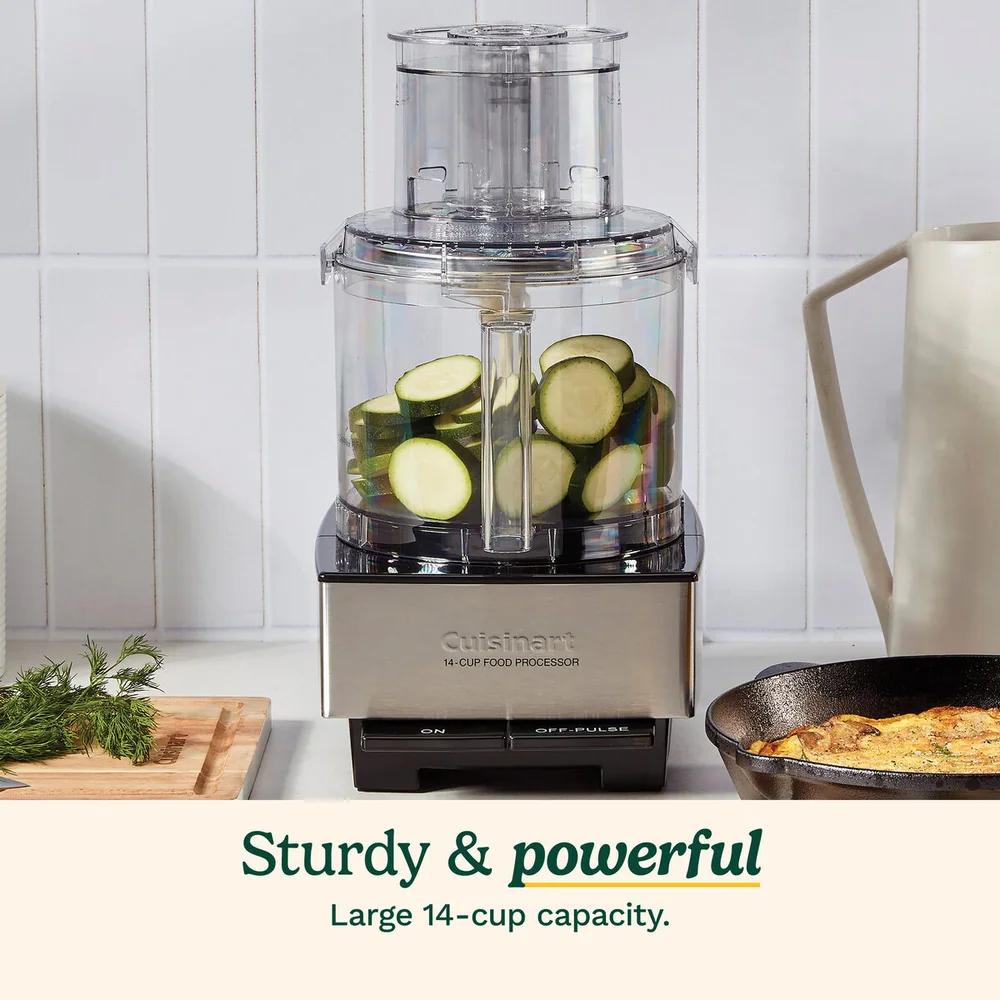
Use short, distinct pulses

Press and release rather than holding the control continuously. Let the blade stop enough for food to settle, then check the largest pieces instead of judging only the fine material at the bottom.

A few longer runs can finish a purée, but chopped vegetables, nuts, and crumbs benefit from stopping early and inspecting.

Match the batch to the bowl

Too little food may skate around below the blade's effective path, while too much can leave the top untouched and mash the bottom. Work in batches when ingredients cannot circulate.

For a very small amount, a mini bowl or chopper may produce a more even result with less scraping.

Correct without overprocessing

If several large pieces remain, remove the lid only after the motor and blade stop, then redistribute with the approved spatula. Never reach around an installed blade.

If the mixture is already too fine, extra pulsing cannot restore texture. Record the batch size and pulse count that worked for a repeat recipe.

Products that fit this practical guide

As an Amazon Associate I earn from qualifying purchases.

More from Food Processors

← Back to Food Processors