
Pickori

Practical guide

Mini Chopper vs. Full-Size Food Processor

Compare batch size, discs, feed tubes, dough ability, cleanup, storage, and the jobs each format handles best.

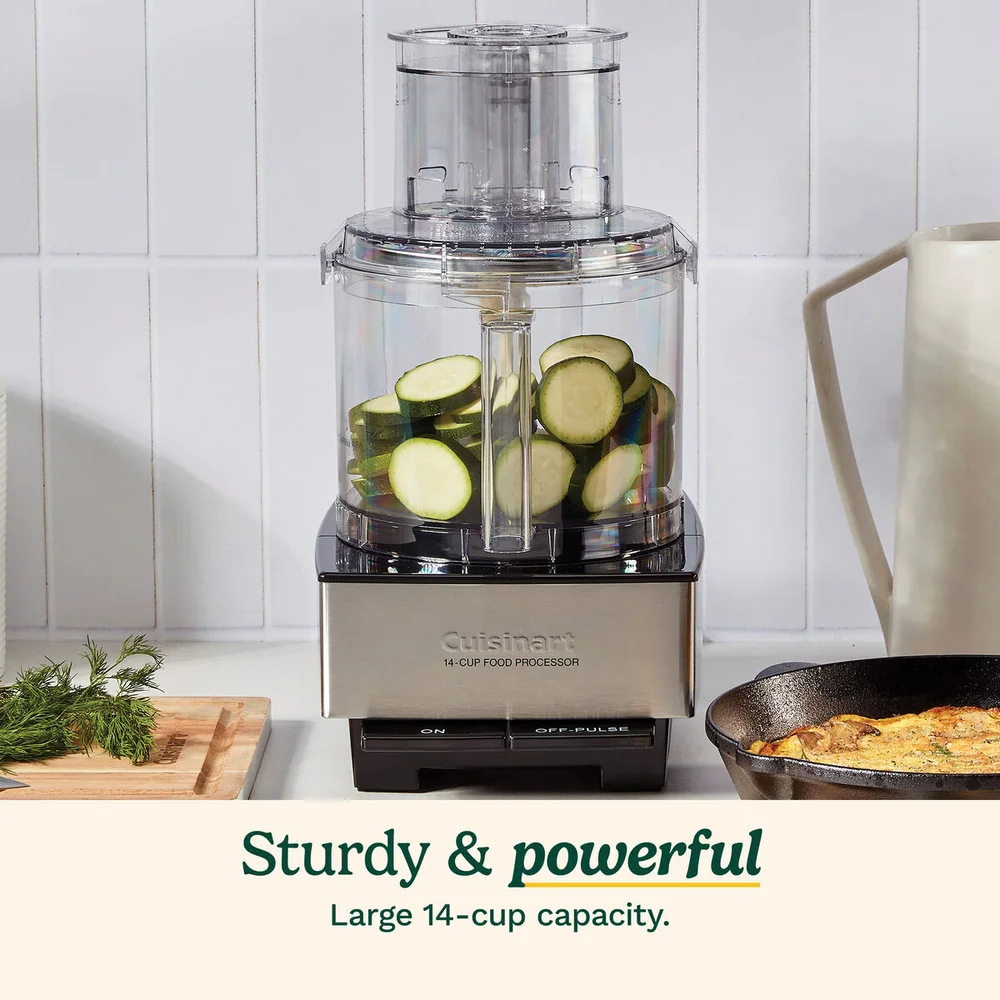
Cuisinart Custom 14-Cup Food Processor

Choose mini for small blade jobs

A mini bowl is well suited to herbs, garlic, nuts, dressings, small sauces, and modest vegetable chopping. Fewer parts can make setup and cleanup quick.

It usually lacks a useful feed tube and full-size slicing or shredding discs. Crowding also becomes a problem quickly.
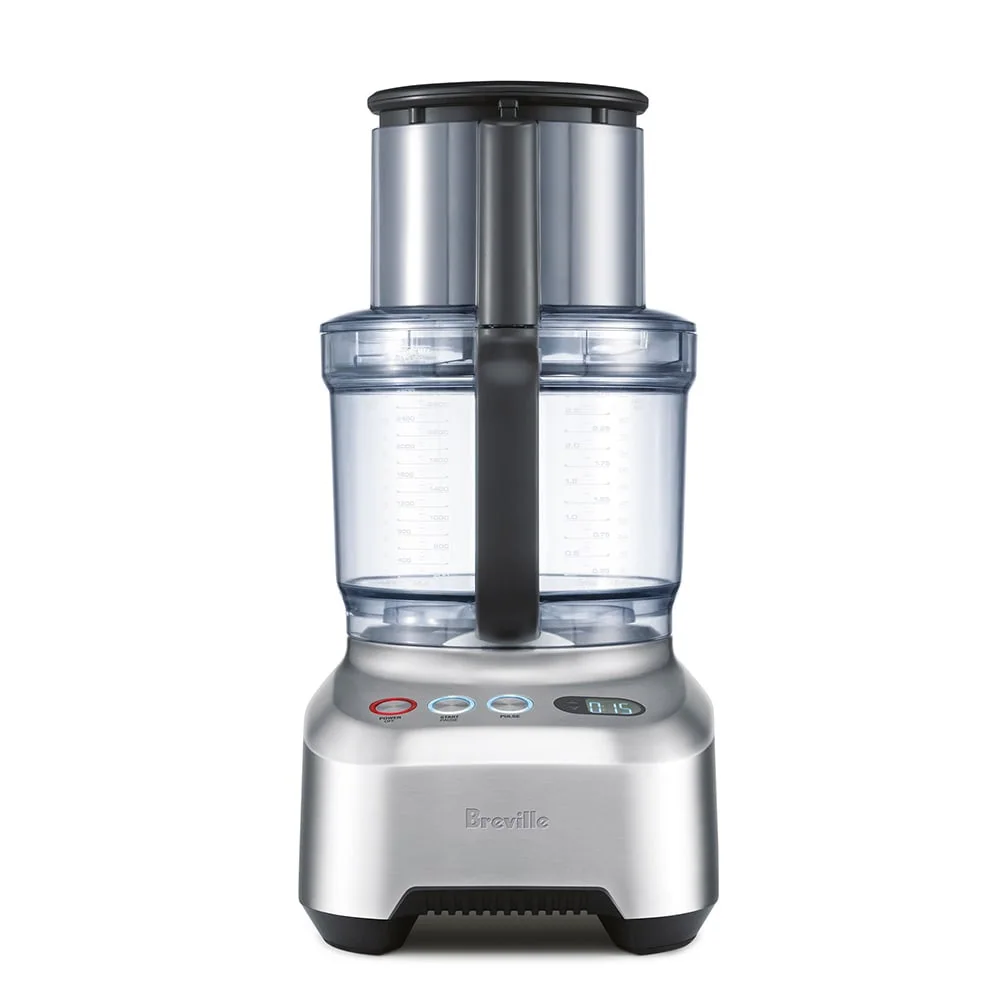
Choose full-size for throughput

A larger processor can prepare family-size chopped mixtures and use discs for repeated slices and shreds. Wider feed tubes reduce the amount of pre-cutting for bulky ingredients.

The tradeoff is weight, counter area, more attachments, and a larger set of parts to wash and store.

Compare capability, not just cups

Check the included attachments, feed-tube dimensions, liquid and dough limits, pulse behavior, and whether small ingredients reach the blade effectively.

A compact seven- or eight-cup processor can be a useful middle ground, but it still may not replace a true mini bowl for tiny amounts.

Build around your weekly routine

Track a week of prep and count how often the task is small chopping versus slicing, shredding, dough, or large batches. Buy for the frequent work.

If two sizes are justified, choose parts that store safely and establish a clear home for each machine. Convenience disappears when setup requires reorganizing a cabinet.

Products that fit this practical guide

As an Amazon Associate I earn from qualifying purchases.

More from Food Processors

← Back to Food Processors