
Pickori

Practical guide

Pressure Cook vs. Slow Cook Mode on a Multicooker

Understand liquid, lid, timing, evaporation, texture, and recipe conversion before changing modes.

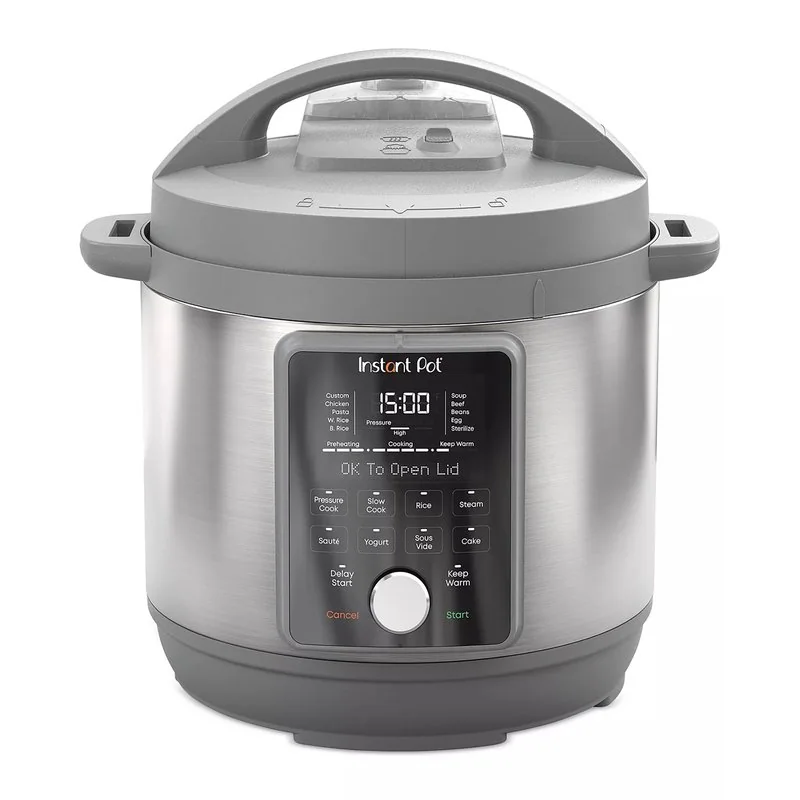
Instant Pot Duo Plus

Pressure mode seals steam

Pressure cooking requires the pressure lid, correctly installed sealing parts, suitable thin liquid, and a valve position specified by the manual. The programmed cook time usually begins after the cooker reaches pressure.

Total time includes heat-up and pressure release, which vary with volume and temperature.
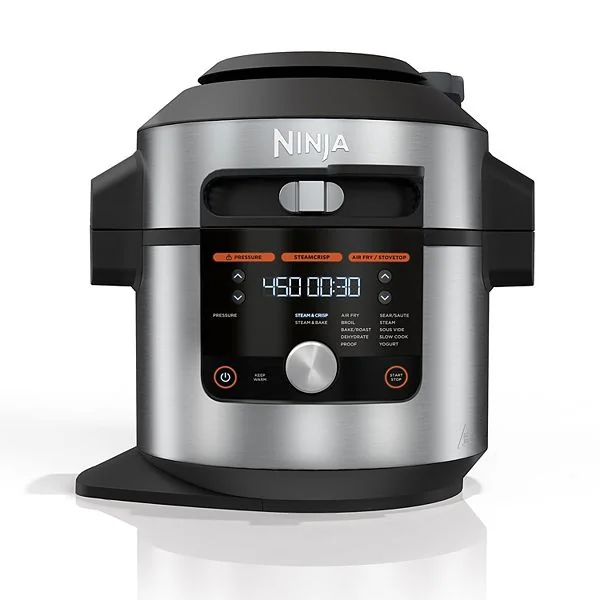
Slow mode allows a long covered cook

Slow-cook mode uses hours rather than minutes and may use a non-pressure lid on models that support one. Evaporation, heating pattern, and temperature control differ from pressure mode.

Check whether the manufacturer recommends low, high, or a custom temperature for conventional slow-cooker recipes.

Liquid and thickeners behave differently

Pressure cooking loses little liquid, so a slow-cooker recipe can become watery when converted directly. Very thick sauces can scorch or impede safe steam flow.

Add dairy, flour slurries, and delicate thickeners at the stage the pressure recipe specifies, often after release using saute mode.

Use a mode-specific recipe

Start with a trusted recipe written for the exact method and similar capacity. Learn heat-up, release, and final-thickening behavior before adapting family recipes.

Never pressure cook with a slow-cooker glass lid or slow cook with a pressure setup not approved by the manufacturer.

Products that fit this practical guide

As an Amazon Associate I earn from qualifying purchases.

More from Slow Cookers & Multicookers

← Back to Slow Cookers & Multicookers