
What to know first
- Designed for small rooms, with an intended coverage up to 215 sq ft.
- Excellent overall performance in a major humidifier evaluation program.
- high-end scores for noise, convenience, efficiency, and humidistat accuracy.
- Strong option when your goal is maintaining healthier moisture levels for people and for indoor plants in smaller spaces.
- Still needs routine emptying and cleaning like any humidifier.
What the Babymoov Hygro (+) Humidifier is
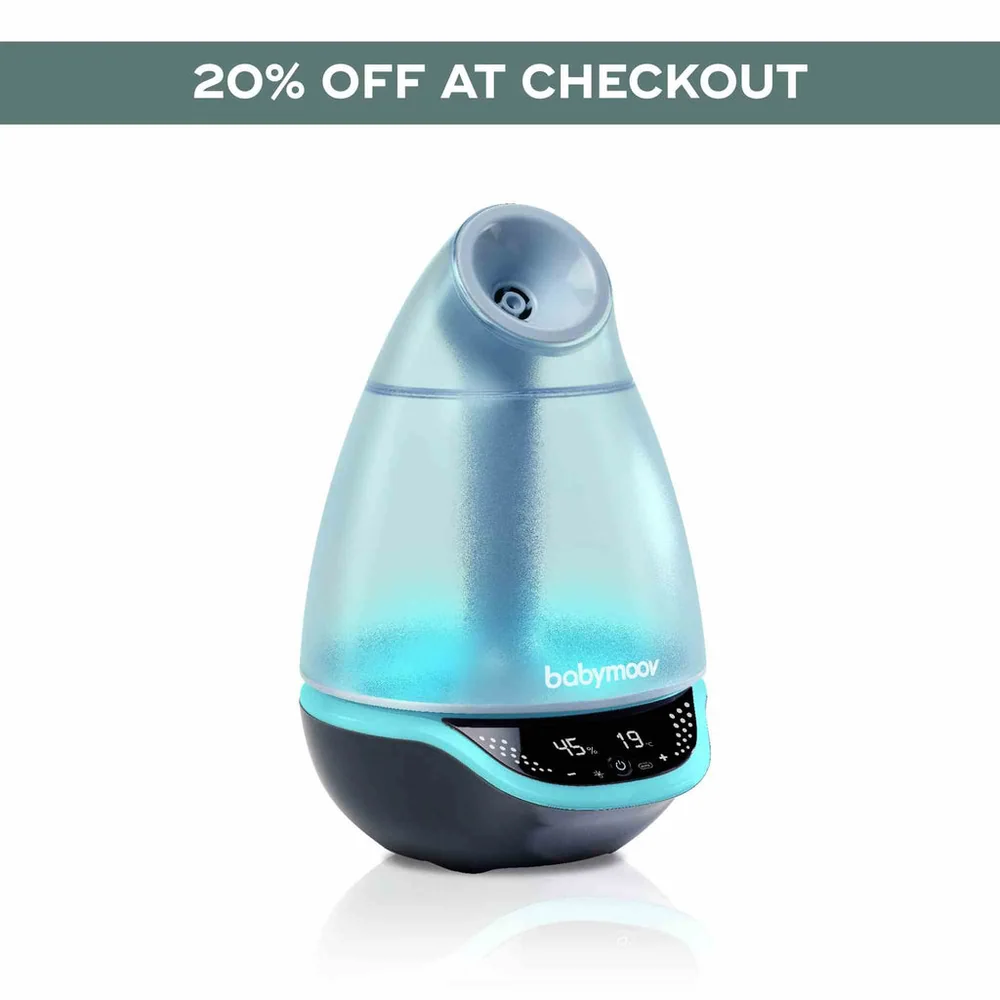
The Babymoov Hygro (+) Humidifier is a small-room humidifier meant to add moisture back into dry indoor air. It’s sized for spaces up to 215 square feet, which puts it in the bedroom, nursery, and office category rather than whole-living-room coverage.
A humidifier like this changes day to day comfort in a simple way. When indoor air gets very dry (common in winter), adding humidity can make your skin feel less tight and your nose and throat feel less irritated. It can also help you keep a more plant-friendly environment if you have tropical houseplants that struggle in dry air.
The Hygro (+) is also notable because it is directly associated with indoor-plant humidity use in addition to general home comfort. That matters because plant care is less about blasting out mist and more about keeping the room in a healthier humidity range consistently.
Why it stands out
The biggest reason to pay for the Babymoov Hygro (+) Humidifier is control. It earns top marks for humidistat accuracy, which is what helps a humidifier cycle around a target humidity instead of running wild. That’s the difference between “the room feels better” and “the windows are sweating and everything feels damp.”
It also scores at the top for noise. In a small room, especially a bedroom, noise is not a minor detail. A humidifier can be technically quiet but still annoying if it has a whiny fan tone, gurgling, or cycling sounds. The Hygro (+) is a strong choice when you want it running near where you sleep.
Convenience and efficiency are also strengths here. Convenience is the unglamorous stuff that determines whether you keep using a humidifier after the first week: filling it, placing it, and living with it daily. Efficiency matters because humidifiers often run for long stretches, and a model that does its job without wasting energy is easier to live with.
Finally, it’s a clean match for plant-focused shopping in small to medium setups. If your goal is to maintain healthier moisture levels for a cluster of plants, a small-room humidifier with reliable control is usually more useful than an oversized unit that swings humidity up and down.
What it is like to own
In everyday use, the Babymoov Hygro (+) Humidifier is built around being easy to live with. Its top convenience score points to fewer friction points in the normal routine: filling, running it day after day, and dealing with the basic upkeep that comes with any device that holds water.
The humidistat accuracy score is the ownership feature you feel most over time. Instead of guessing whether the room is getting too humid, you can rely more on the machine to regulate itself around a target. That’s useful for bedrooms and nurseries, and it’s also useful around plants where you want steady conditions rather than big humidity spikes.
Noise is the other day to day win. If you plan to run a humidifier overnight, a model that stays unobtrusive is the difference between a helpful appliance and one you shut off at 2 a.m.
Like every humidifier, it still needs routine care. Standing water and wet surfaces need regular emptying, rinsing, and descaling so you do not end up with buildup or funk. No “clean mist” claim replaces that basic maintenance.
What to know before you buy
It’s a small-room humidifier. The Babymoov Hygro (+) Humidifier is intended for areas up to 215 square feet. If you try to use a small unit in a big living room or an open-plan space with doorways and airflow, you can end up running it constantly and still not getting the humidity you want.
Do not shop by square footage alone. Coverage claims are only part of the story, and moisture output and room conditions matter a lot in very dry climates or during cold snaps. If your home is extremely dry, you may simply need a larger humidifier for the same comfort result.
Also remember the ongoing reality of humidifiers: you are managing water. Even a convenient model still asks you to keep up with cleaning and to pay attention to humidity levels so you stay in a healthy indoor range (commonly 30 to 50 percent) instead of overdoing it.
The specs that matter
This is the difference between a bedroom humidifier and a whole-living-room humidifier. In a space around this size, you have a better shot at reaching and holding a comfortable humidity level.
You are buying it to change the air in the room. Strong overall performance means it is a safer bet to actually raise humidity effectively in the size of room it is meant for.
Accurate humidity control helps prevent overhumidifying, which can lead to condensation on windows and a higher risk of mold and dust mites.
If it is going in a bedroom or nursery, noise can make or break the purchase. A top noise score points to a model you can leave on overnight.
Humidifiers only help if you keep using them. A convenient design makes it more likely you will refill it, clean it, and run it consistently.
Humidifiers can run for many hours a day in winter. Better efficiency means less waste while maintaining comfortable humidity.
Hard water can create mineral mess and buildup in many humidifiers. A top score here suggests it handles hard-water conditions well compared with typical models.
Who this product fits
You want a quiet bedroom humidifier that does not overdo it
The Babymoov Hygro (+) Humidifier fits small rooms and earns top marks for noise and humidistat accuracy, so it is well suited to running overnight without turning the room clammy.
You have a small to medium plant collection that struggles in dry winter air
Instead of chasing humidity with constant mist, this model’s strong control and small-room focus make it a practical way to keep a healthier moisture level around your plants.
You are humidifying a nursery or child’s room
A small-room unit with strong humidistat accuracy is useful here because it helps you stay in a comfortable humidity range, and the top noise score makes it easier to run during naps and overnight.
What else to compare
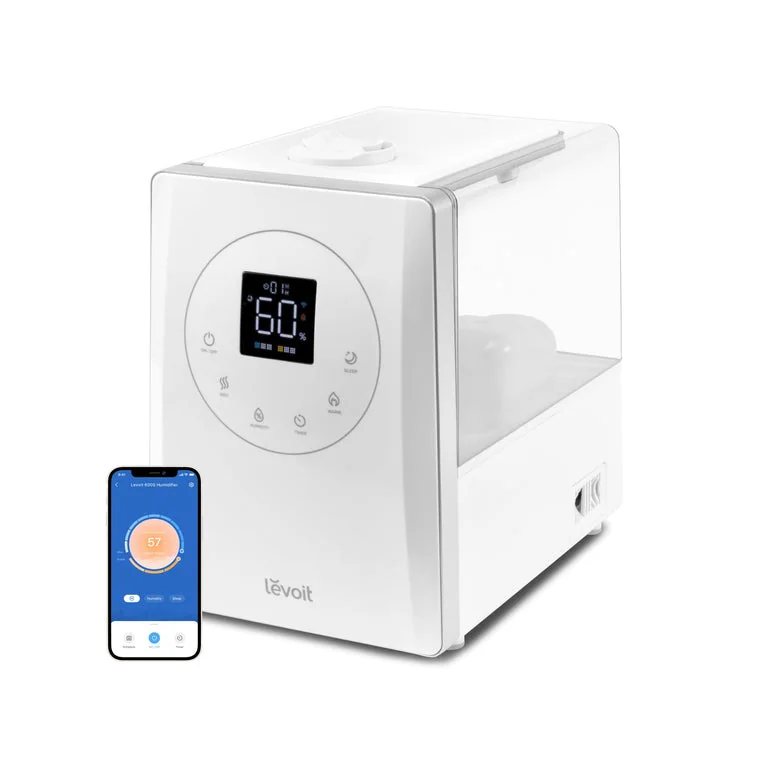
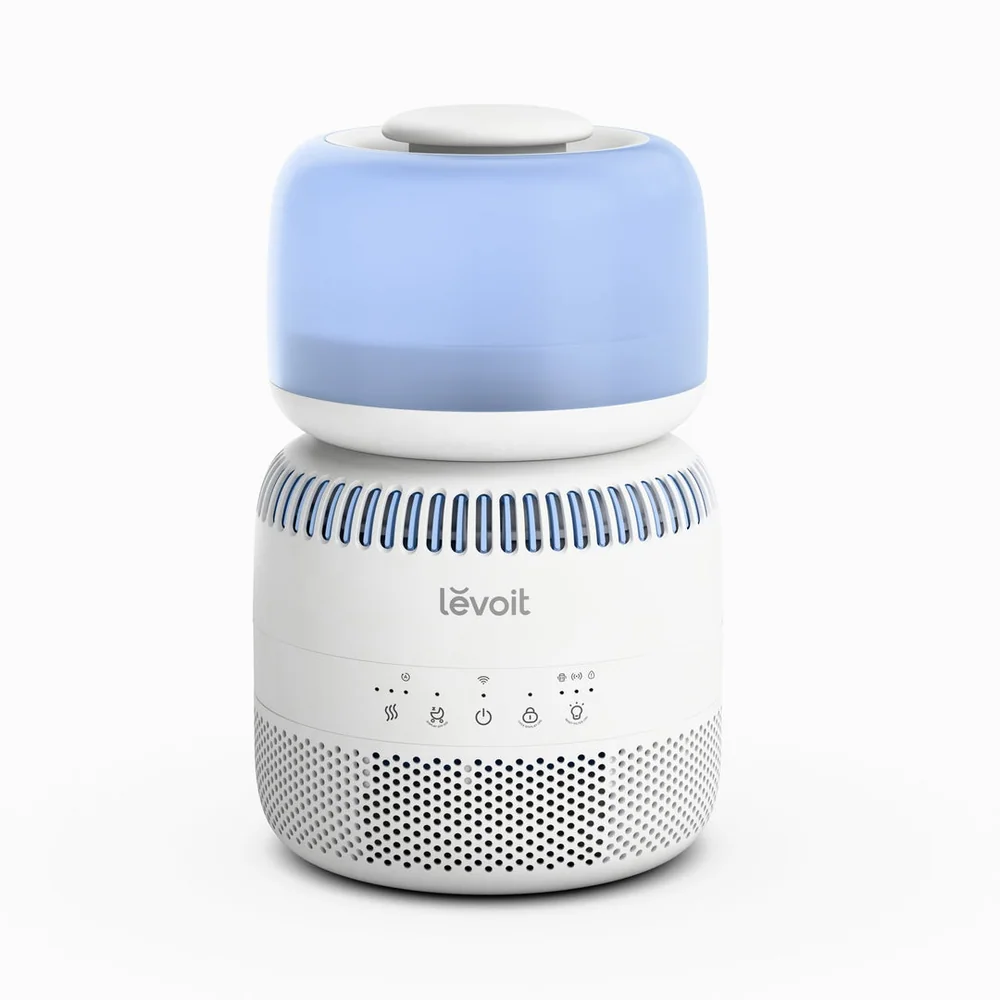
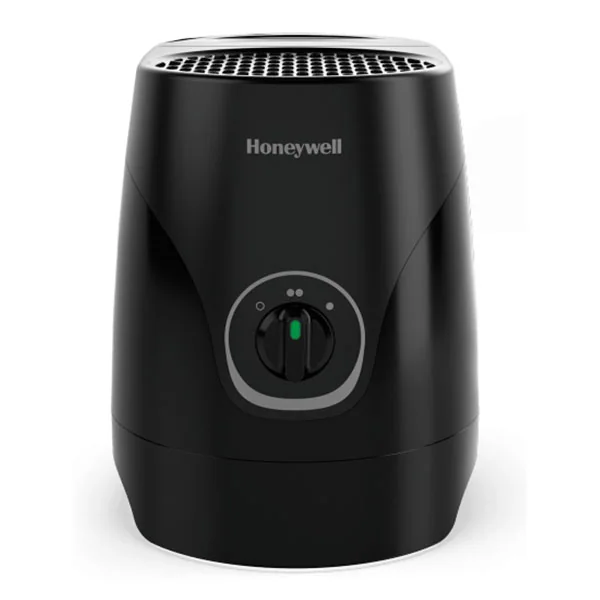
If your room is bigger, you want smart features, or you prefer an evaporative style, one of these may fit better.
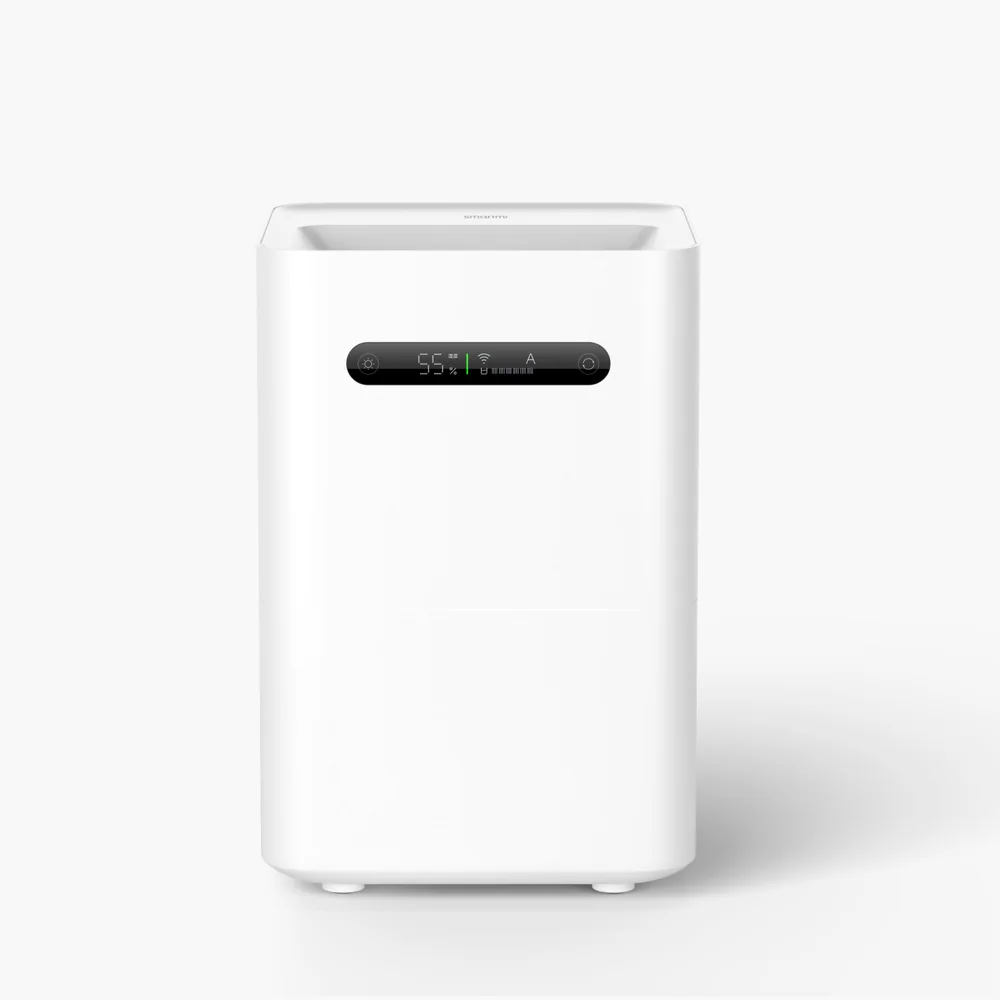
Babymoov Hygro (+) Humidifier FAQ
What room size is the Babymoov Hygro (+) Humidifier meant for?
It is intended for small rooms up to 215 square feet. That is a good match for bedrooms, nurseries, and offices, not large living rooms or open-plan spaces.
Does the Babymoov Hygro (+) Humidifier have a humidistat?
It is scored for humidistat accuracy, and it earns a top score. In daily use, that points to more reliable control of humidity around a target level.
Is the Babymoov Hygro (+) Humidifier quiet enough for sleep?
It earns a top noise score. If you are sensitive to sound at night, that is one of the strongest reasons to choose it over a louder small-room model.
Is the Babymoov Hygro (+) Humidifier good for indoor plants?
Yes, it is directly associated with indoor-plant humidity use and is a sensible size for small to medium plant collections. The main benefit is steadier humidity control rather than just producing a lot of mist.
Do I still need to clean the Babymoov Hygro (+) Humidifier regularly?
Yes. Any humidifier that holds water needs routine emptying, rinsing, and descaling to prevent buildup. No feature or claim removes that basic maintenance.
Should you buy the Babymoov Hygro (+) Humidifier?
Buy the Babymoov Hygro (+) Humidifier if you want a small-room humidifier that is quiet, convenient, and better at holding a target humidity level. Those are the things that make a humidifier feel like a helpful background appliance instead of another chore.
Skip it if your space is larger than about 215 square feet or you are trying to humidify an open area with lots of airflow. In that case, you will be happier sizing up to a model designed to move more moisture into the air.