
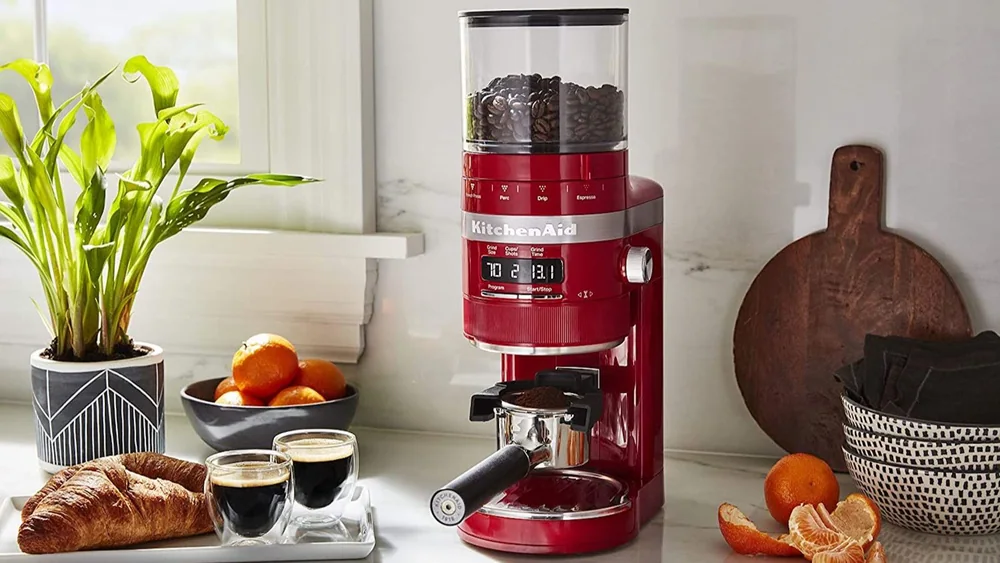
What to know first
- This is a mainstream KitchenAid burr grinder aimed at everyday home brewing, especially drip coffee.
- Burr grinding is the practical benefit: you can match grind size to your brewer for better-tasting coffee than pre-ground.
- The strongest reason to buy is brand familiarity and countertop presence, not a clear, product-specific performance edge.
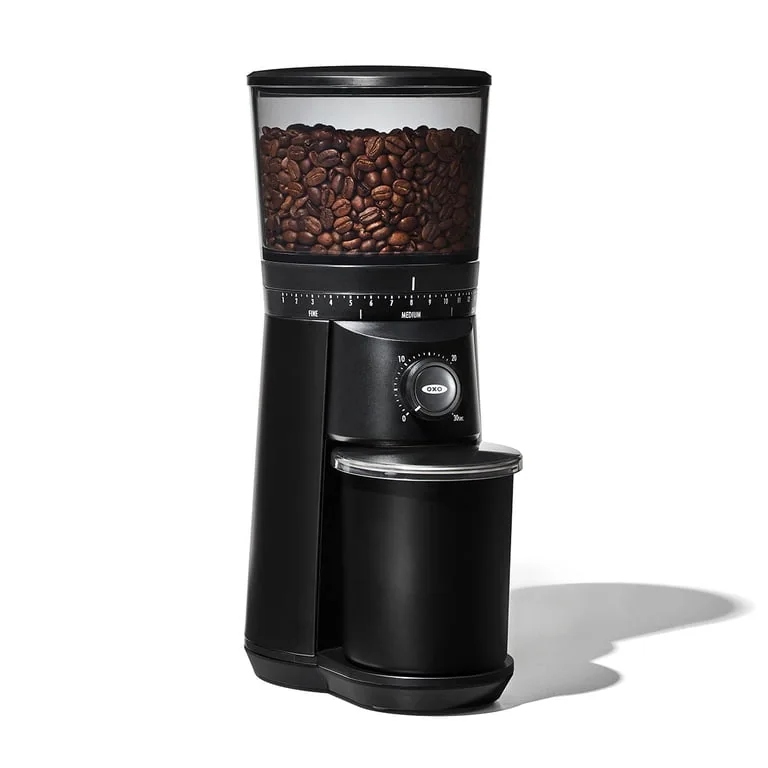
- If you care most about grind consistency per dollar, OXO Brew Conical Burr Coffee Grinder is the safer value alternative in our research.
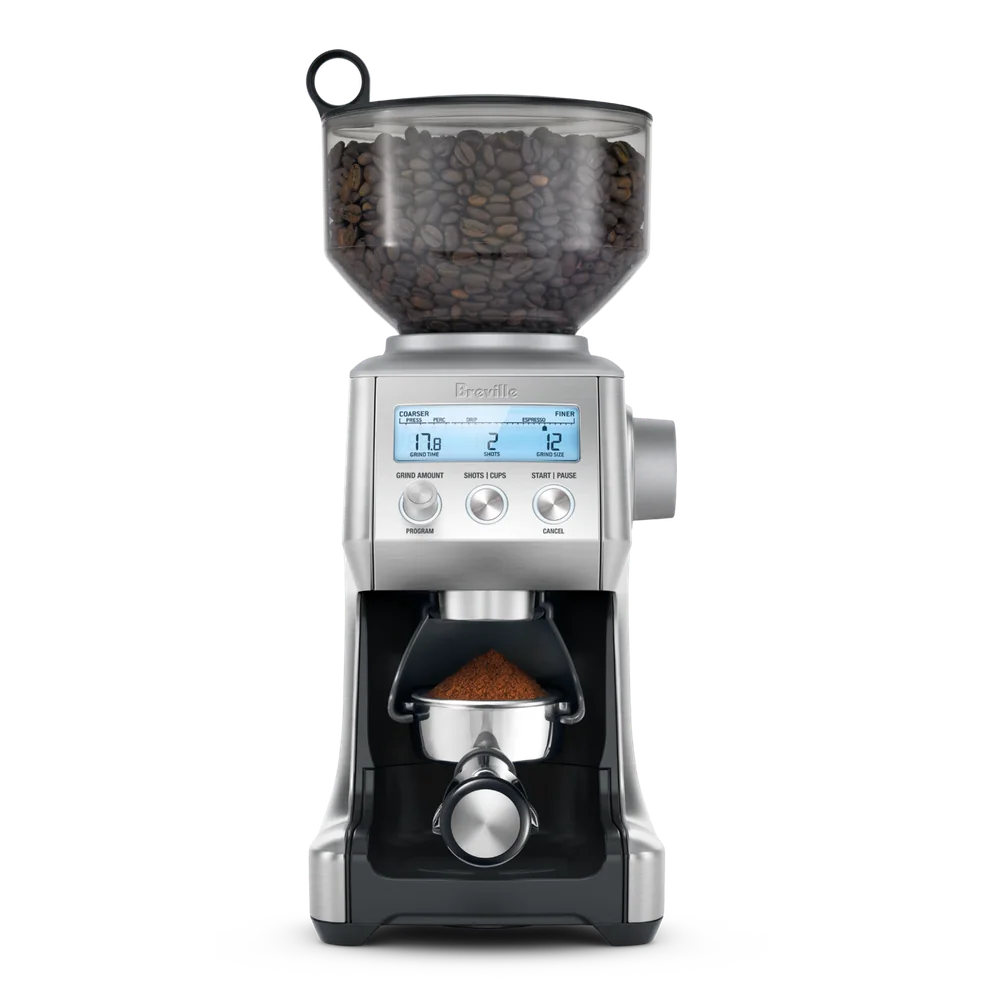
- If you want more control for espresso-style dialing, Breville Smart Grinder Pro is the better fit.
What the KitchenAid Burr Coffee Grinder is
KitchenAid Burr Coffee Grinder is an electric burr coffee grinder built for general home use. It’s meant to live on your counter and handle the day-to-day job of turning whole beans into grounds for common brew methods, with drip coffee as the most natural match.
The core idea is simple: burr grinders crush beans between burrs at a set gap, which gives you more control over grind size than a blade grinder. That control matters because grind size is one of the biggest levers you have for taste. Too fine can taste bitter and over-extracted. Too coarse can taste weak and sour.
If you’re coming from pre-ground coffee, the daily change is straightforward. You buy whole beans, grind right before brewing, and you can adjust the grind when you switch brewers or beans. That’s the practical reason people pay for a burr grinder in the first place.
Why it stands out
The KitchenAid Burr Coffee Grinder stands out mainly because it’s a familiar, mainstream appliance-brand option. For a lot of kitchens, that matters. If you already own KitchenAid gear and like the look and feel of the brand on your counter, this grinder fits a cohesive, matching-appliances setup.
It also gets attention as a design-forward countertop grinder. If your grinder is going to sit out all the time, looks and brand recognition can be part of the value, even if you’re not chasing the last few percent of grind performance.
If you’re shopping specifically to maximize grind consistency, it’s hard to make a strong, product-specific case for this model based on the evidence we can support. In that situation, it makes more sense to choose a grinder with a clearer, better-established record for consistency.
What it is like to own
In day-to-day use, a countertop burr grinder like the KitchenAid Burr Coffee Grinder is about routine: keep beans on hand, grind right before you brew, and adjust the grind when your coffee tastes off. For drip coffee, you typically set a medium grind and then make small tweaks if your brew runs too fast or too slow, or tastes thin or harsh.
If you switch between brew methods, the grinder’s adjustment range matters. Drip and pour-over generally want medium to medium-fine. French press and cold brew want coarser. Espresso is the toughest because it needs very fine grinding plus small adjustment steps. A grinder can go fine enough and still be frustrating if the steps are too big to dial in shot time and taste.
Cleanup and mess are part of ownership with any grinder. Static can make grounds cling to the chute and container, especially in dry air. Even with anti-static claims, it helps to expect some grounds on the counter and plan for quick wipe-downs as part of your coffee routine.
What to know before you buy
Don’t buy the KitchenAid Burr Coffee Grinder mainly because you expect a clear, product-specific advantage in grind consistency. It fits as a mainstream, everyday burr grinder, but it’s not the easiest choice to justify when consistency is the whole reason you’re upgrading.
Be careful with espresso expectations. Espresso needs fine control, and small changes in grind can swing shot time and taste. If espresso is on your roadmap, it’s smarter to choose a grinder that’s built around that kind of adjustment control rather than hoping a general-purpose grinder will feel satisfying.
Finally, think about dosing style. Some people like to keep beans in a hopper and grind on demand every morning. Others prefer single dosing (weighing beans per brew) to keep beans fresher and make it easier to switch coffees. If you’re a single-dose person, pay attention to retention and mess, because those details shape your daily experience.
The specs that matter
Burr grinding gives you control over grind size, which helps you match your grounds to your brew method and get more consistent flavor than a blade grinder or pre-ground coffee.
If you mostly brew drip, you don’t need espresso-level micro-adjustments. A straightforward burr grinder can cover your daily needs without turning coffee into a hobby.
For many shoppers, brand familiarity affects confidence, aesthetics, and how well the grinder fits with the rest of the kitchen.
If the grinder will live out in the open, looks and overall fit can matter as much as features, as long as you’re not buying for maximum performance per dollar.
Who this product fits
You make drip coffee every morning and want better flavor than pre-ground
KitchenAid Burr Coffee Grinder lets you buy whole beans and grind right before brewing. That single change usually makes coffee taste fresher and gives you the ability to adjust grind size when your brew tastes off.
You want a KitchenAid look on your counter
If your kitchen is already KitchenAid-heavy and you care about a cohesive countertop setup, this grinder fits as a mainstream, design-conscious option that still gets you the core burr-grinding benefits.
You’re shopping for grind consistency first
If your main goal is consistency per dollar, the KitchenAid Burr Coffee Grinder is a tougher sell. You’ll likely be better served by a grinder with a clearer, better-established case for consistency.
You’re thinking about espresso later
If espresso is a real plan, prioritize a grinder built for fine adjustment control. Espresso is sensitive to tiny grind changes, and a general-purpose burr grinder can be limiting even if it can grind fine enough.
What else to compare
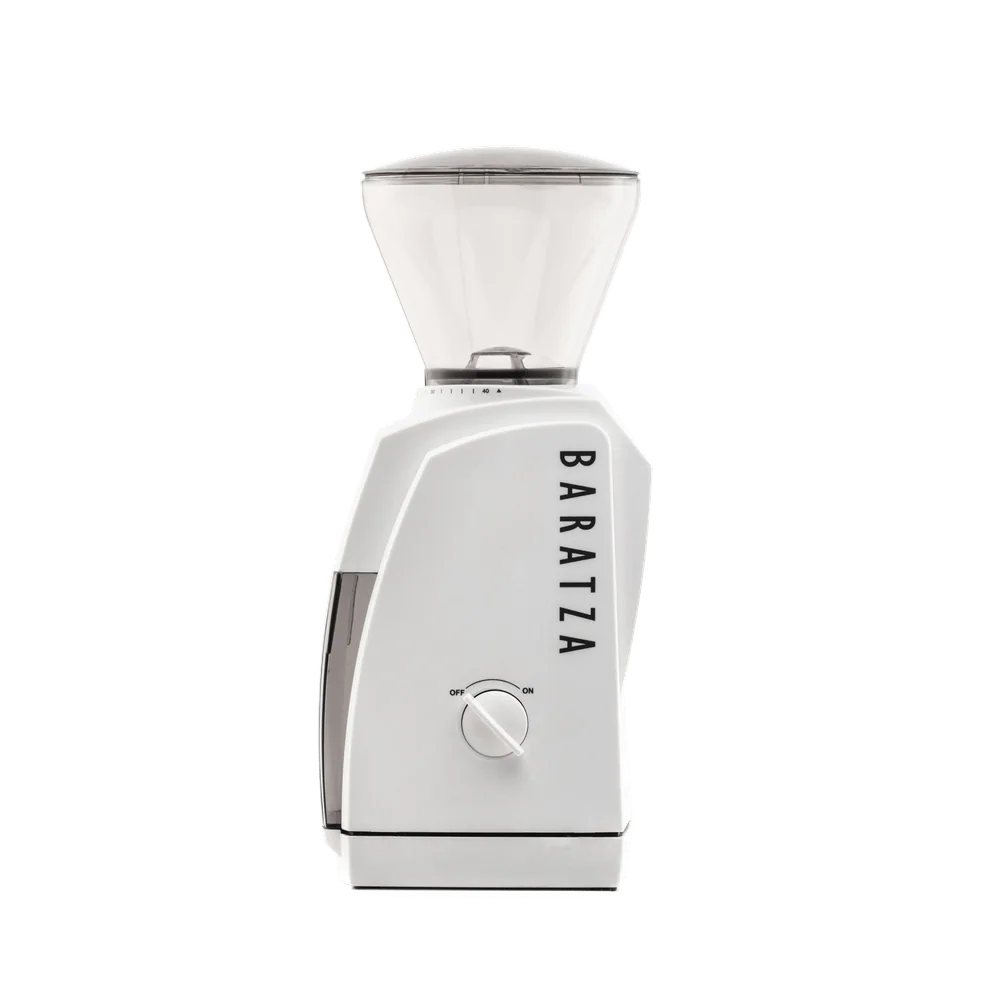
If you want a clearer reason to buy based on performance or control, these options make more sense.
KitchenAid Burr Coffee Grinder FAQ
Is the KitchenAid Burr Coffee Grinder good for drip coffee?
Yes. It is a general-purpose burr grinder aimed at everyday home brewing, with drip coffee as a natural fit. The main benefit is being able to grind fresh and adjust grind size to your brewer.
Can the KitchenAid Burr Coffee Grinder make espresso?
A grinder can be described as espresso-capable if it can grind fine enough, but espresso also needs small adjustment steps to dial in shot time and taste. If espresso is your priority, a grinder built for espresso control is the safer choice.
What’s the real advantage of a burr grinder over a blade grinder?
A burr grinder crushes beans to a set size, which gives you more control over grind size than a blade grinder. That control helps you avoid a mix of powder and boulders that can make coffee taste both bitter and weak in the same cup.
Should I buy this grinder if I care most about grind consistency?
Probably not. The KitchenAid Burr Coffee Grinder is easier to justify for brand familiarity and general home use than for a strongly supported, product-specific grind-consistency edge. If consistency per dollar is the goal, choose a grinder with clearer support for that.
Will an anti-static grinder be mess-free?
No grinder is truly mess-free. Anti-static features can reduce cling, but chute design and dry conditions still matter, and you should expect some cleanup as part of grinding at home.
Should you buy the KitchenAid Burr Coffee Grinder?
Buy the KitchenAid Burr Coffee Grinder if you want a mainstream, countertop-friendly burr grinder from a familiar brand and you’re mainly making drip coffee at home. You’ll get the biggest everyday payoff from grinding fresh and being able to adjust grind size to your brewer.
Skip it if you’re shopping with a narrow goal like maximum grind consistency per dollar or a clear path to espresso dialing. In those cases, put your money toward a grinder with a more established performance case or more precise control.