
Coffee Grinders
How to Stop Your Coffee Grinder From Making a Mess (Without Changing Your Whole Routine)
Published
If your grinder turns “make coffee” into “wipe counter,” you are not alone. Stray grounds, clingy static, and yesterday’s coffee hiding inside the grinder can make even good beans taste and feel like a hassle. The fix is usually less about grinding faster and more about understanding where the mess comes from.
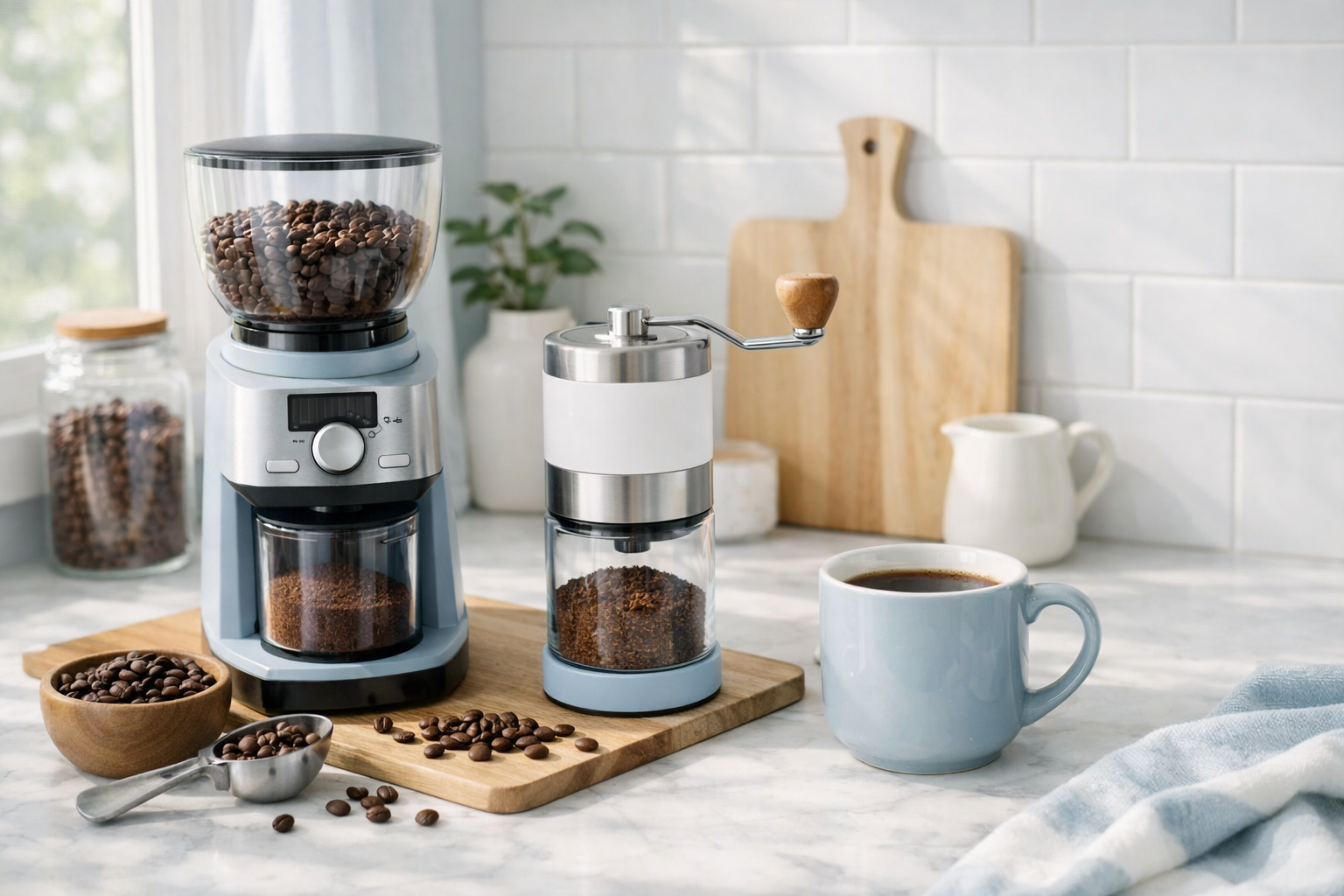
The three mess-makers: static, retention, and a bad landing zone
Most grinder mess comes from three places that stack on top of each other. Static is the cling that makes grounds stick to the chute, the catch cup, and your hands, especially when the air is dry. Retention is the coffee that stays inside the grinder after you finish, which can tumble out later or mix into your next dose. And the landing zone is simply where the grounds are supposed to go, because a narrow bin, a wobbly cup, or an awkward chute angle can turn a normal grind into a scattershot situation.
These issues are not just cosmetic. Static and a messy chute often mean grounds are sticking where you cannot easily see them, which can make cleaning feel optional until the grinder starts to smell off. Retention can also confuse your brewing: you change a setting or a recipe, but part of what you taste is leftover coffee from the previous grind. When people say they cannot “dial in” a coffee, the problem is sometimes workflow, not the beans.
A quick diagnostic you can do in one morning
Before you shop, figure out which problem you actually have. If grounds cling to the outside of the bin and jump to the counter when you remove it, that is mostly static control and mess management. If you find a little pile of grounds falling out after you think you are done, or your first grind of the day tastes different than the rest, retention is likely the bigger culprit. If the mess happens mainly when you pour grounds into a filter or portafilter, your issue may be the handoff, not the grind itself.
Pay attention to when the mess appears. Mess during grinding points to chute design and static. Mess after grinding points to retention and how the grinder empties. Mess during transfer points to the shape and stability of the catch bin or dosing cup. This is why “more watts” rarely solves anything: the pain point is usually how the grinder handles grounds, not how quickly it can spin.
What to look for in a cleaner grinder, depending on how you brew
If you brew drip or pour over most days, you want a burr grinder that is consistent but also easy to live with: a stable catch bin, a chute that does not spray, and straightforward access for cleaning. If you switch between methods, retention and dosing style matter more, because leftover grounds can muddy your adjustments when you bounce from a medium drip grind to something finer. Single dosing can reduce staleness and make switching beans easier, but it can also be a little slower and sometimes messier if the workflow is not well supported.
If you are chasing espresso or moka pot, adjustment steps become part of the mess story too. Espresso needs fine control, and when a grinder makes you fight for tiny changes, you tend to over-correct and re-grind, which creates more stray grounds and more cleanup. For cold brew and French press, the goal is a coarse grind with fewer dusty fines, because fines can make the drink taste muddy and also seem to “float” everywhere during transfer. In other words, the cleanest grinder for you is the one that matches your brew range and makes your daily steps predictable.
Cleaning habits that prevent the “rancid grinder” problem
A grinder can look fine on the outside and still hold onto oils and fines inside. When those build up, you can get stale aromas and flavors that have nothing to do with your beans. The easiest prevention is choosing a grinder with cleaning access you will actually use, like burrs you can reach without a complicated teardown and a chamber you can empty without dumping grounds all over the counter.
If you are the type who will not clean often, prioritize designs that make it hard for grounds to hide: less retention, easier emptying, and fewer nooks around the chute. If you do not mind occasional maintenance, you can broaden your options, but you still want a grinder that makes routine care feel simple. Skipping cleaning until something smells off is one of the most common ways people end up “chasing flavor” by changing beans, water, or recipes when the real issue is old coffee residue.
Find a grinder that fits your tolerance for mess
If you are tired of wiping counters, focus your search on static control, retention, and how the grounds are captured and transferred, not just grind settings. For a broader breakdown of grinder types and daily ownership tradeoffs, start at our Coffee Grinders hub: /coffee-grinders/. If you want options that prioritize easy care, see /best-coffee-grinders-for-easy-cleaning-2026/. And if you are deciding between a few popular countertop picks, our reviews are a good next step, including /reviews/oxo-brew-conical-burr-coffee-grinder/ and /reviews/baratza-encore-coffee-grinder/.