What relative humidity tells you
Relative humidity (RH) tells you how "full" the air is with water vapor at the current temperature. At 50 percent RH, the air is holding about half of what it could hold before moisture starts condensing into liquid water on cooler surfaces. That matters because condensation is not just a window problem. It can also show up inside wall cavities, on cold pipes, or behind furniture pushed against an exterior wall.
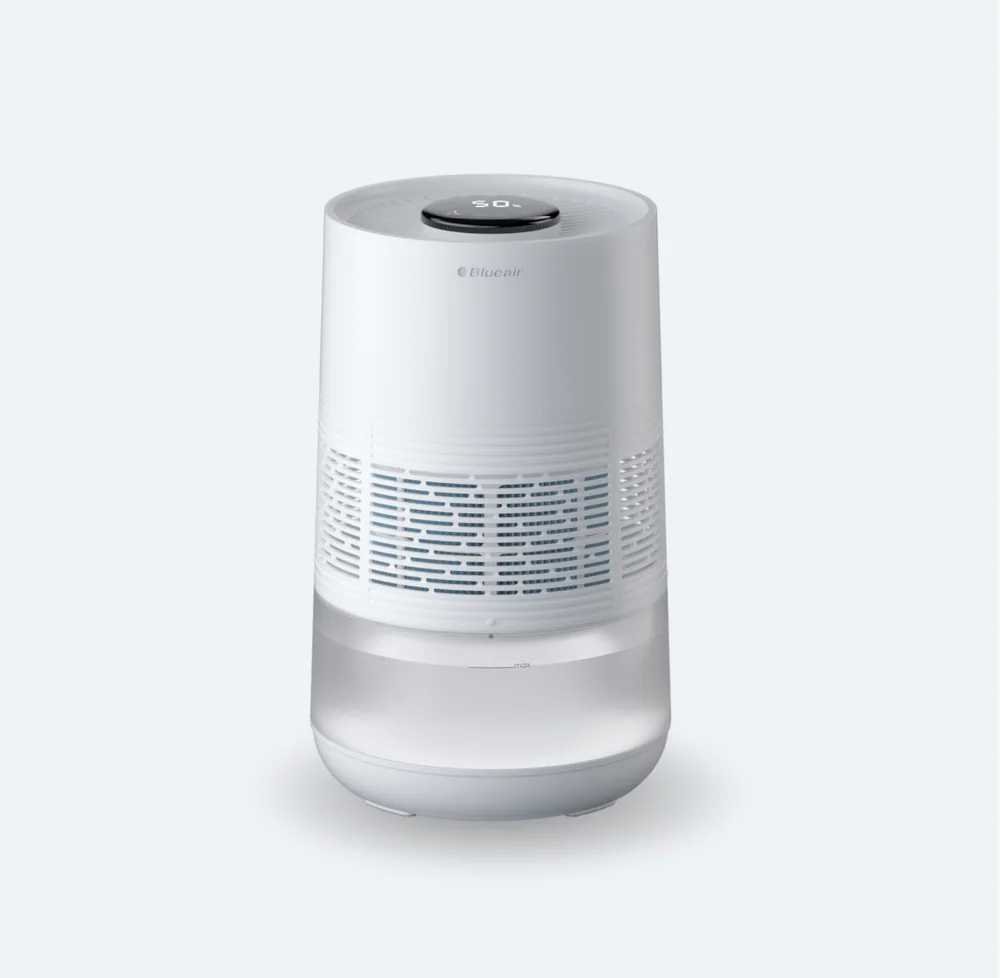
A humidifier adds moisture, but it does not know what is happening in the rest of the room unless you measure it. Built-in humidistats (humidity sensors that cycle the unit on and off) can help, but they measure near the machine, not necessarily where you sleep or where windows get cold. A separate hygrometer lets you confirm the real room condition and spot patterns, like humidity spiking overnight with the door closed.
A sensible target range
For most homes, a practical target is about 30 to 50 percent relative humidity. Below that range, many people notice dry skin, irritated nasal passages, and more static. Above that range, you increase the chance of condensation on cool surfaces and the damp conditions that help mold and dust mites thrive. The right number inside the range depends on your home, your climate, and how cold your windows and exterior walls get.
If you are using a humidifier in a bedroom, start around the middle of the range and adjust slowly. Give the room a few hours to stabilize, then check the hygrometer in more than one spot. If you see condensation on windows, dampness on walls, or a musty smell, lower the target or run the humidifier less. Comfort is the goal, but moisture problems are the cost of overshooting.
What changes in winter
Winter is when people most often add humidity because heating systems dry the air and cold outdoor air holds less moisture. The catch is that cold surfaces inside your home, especially windows, can trigger condensation at lower humidity levels than you expect. If it is very cold outside, you may need to run a lower indoor humidity target to keep windows clear and frames dry.
A good winter routine is to watch your coldest surfaces. If your windows start fogging at night, that is a sign to back off the humidifier setting, improve air circulation near the window, or both. Closing curtains tightly can trap cooler air against the glass and make condensation worse. If you use a humidifier overnight, check humidity in the morning when condensation is most likely to show up.
Signs the room is too humid
Condensation is the clearest sign. Fogged windows, water beads on the glass, damp window sills, or peeling paint around frames mean the air is carrying more moisture than those surfaces can handle. Other signs include a persistent musty odor, damp-feeling bedding, or closets that smell stale. These are not just comfort issues. They are early warnings that moisture is collecting where you do not want it.
If you see these signs, reduce humidifier output first. Lower the target humidity, shorten run time, or move the humidifier farther from cold surfaces so mist is not directly hitting them. Make sure the room has some air exchange, like a slightly open door or periodic ventilation. If the home is humid even without the humidifier, a dehumidifier or better ventilation may be the right tool instead of adding more moisture.