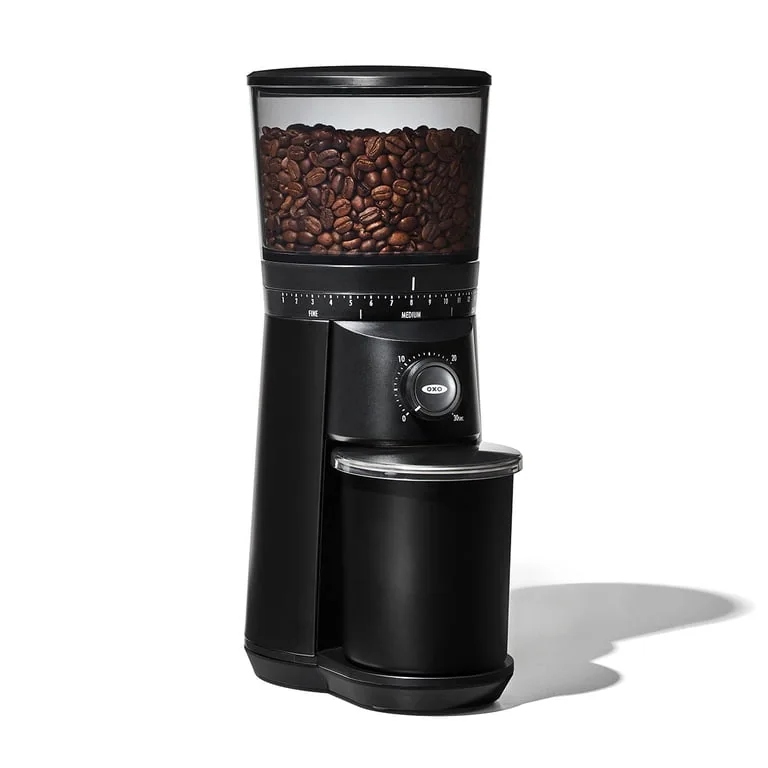
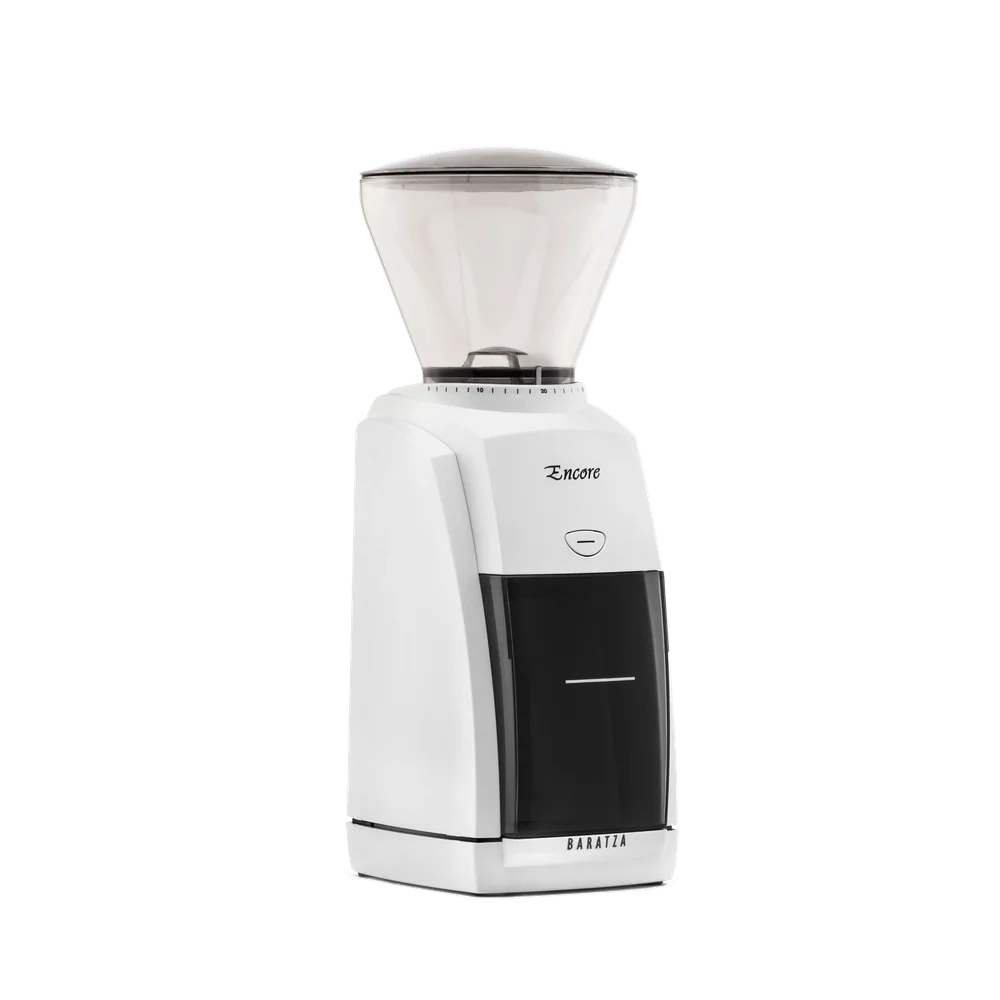
What a grinder actually changes: particle size and extraction
Coffee brewing is extraction, meaning water dissolves and carries away compounds from the grounds. Smaller particles extract faster because they have more surface area. Larger particles extract slower because water has to work its way into the piece. If your grind is uneven, you are forcing one brew to do two jobs at once: pull enough from the big pieces without overdoing the dust. That is why uneven grinding often tastes both sour and bitter in the same cup. Consistency is what makes recipes repeatable. If you change grind size and the grinder responds predictably, you can dial in a pour over, then make it again tomorrow. If the grinder produces a different mix each time, you end up chasing your tail by changing dose, water, and time to compensate. This is also why espresso is so demanding: it is brewed under pressure and in a short time, so small grind changes have big effects on flow and taste.