
Pickori

Category guide

How burr grinders work and why consistency matters more than speed

Burr grinders control grind size with a set gap, and small design choices affect particle distribution, dialing in, and day-to-day workflow.

Reading time: 9 minutesBest for: Home brewers who want to understand why burr design, adjustment, and retention affect taste and dialing in more than motor power.
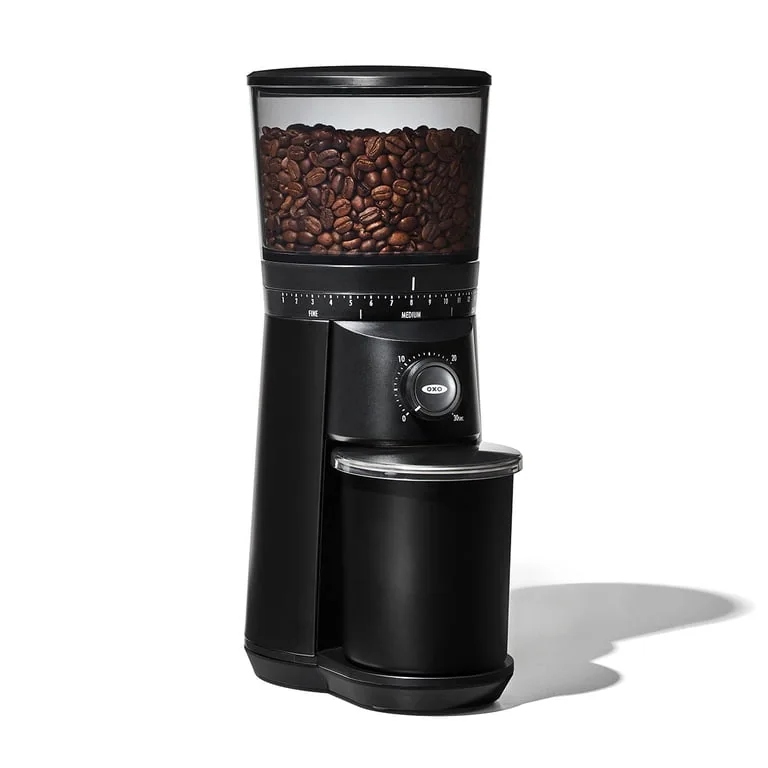
OXO Brew Conical Burr Coffee Grinder

Burr basics: the gap, the cut, and particle distribution

Burr grinders work by pulling beans between two burrs and breaking them until the pieces are small enough to pass through the set gap. The gap is your grind setting. A smaller gap makes finer grounds, a larger gap makes coarser grounds. Because the burrs are shaped, they do not just smash beans once. They shear and crush them through multiple contacts, which is why burr grinding can be more consistent than chopping with a blade. Particle distribution is the mix of sizes you get at one setting. Even good grinders produce some fines (dust) and some larger pieces, but the goal is to keep that spread tight. Too many fines can slow flow and add bitterness, especially in espresso and pour over. Too many boulders can speed flow and leave sourness. A consistent distribution makes your brew time and taste respond more directly to small setting changes.
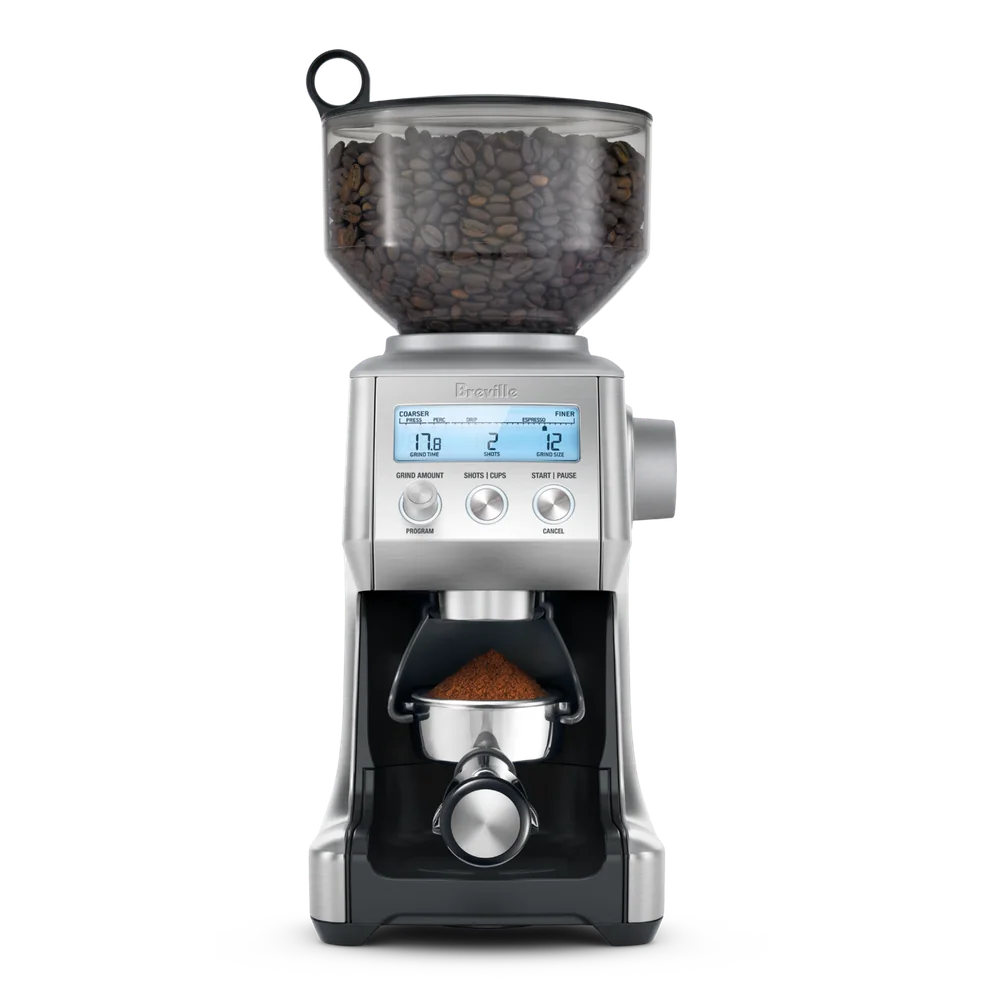
Adjustment systems: steps, micro-steps, and why espresso is picky

Adjustment is how you change the burr gap. Many grinders use stepped adjustment, meaning clicks that move the burrs in fixed increments. Stepped systems can be perfectly fine for drip and French press because you can adjust dose and brew time to compensate. Espresso is less forgiving because the water is pushed through a compact puck under pressure, and tiny changes in grind can swing shot time and flavor. Some grinders use stepless or micro-stepped adjustment, which gives finer control over the gap. That can make dialing in espresso less frustrating, but it also means you need a repeatable reference point so you can return to a setting later. When you evaluate -espresso-capable- claims, look past whether it can grind fine. Ask whether the adjustment lets you land between too fast and too slow without wasting coffee.

Feed, retention, and clumping: why the same setting can taste different

How beans feed into the burrs affects consistency. If beans enter smoothly, the burrs cut more evenly. If beans surge or stall, you can get a wider spread of particle sizes. This is one reason single dosing can feel different from hopper feeding. A hopper’s weight can help push beans down consistently, while single dosing depends more on the grinder’s design and how you load beans. Retention is the other big variable. Grounds left inside mix into the next dose, which can make the same setting taste different from cup to cup. It also complicates dialing in because your first grind after an adjustment may include coffee made at the previous setting. Clumping is related: when fines stick together, water may channel around clumps and extract unevenly. Better chutes and declumping designs can help, but regular cleaning also reduces buildup that encourages clumps.

Burr material and maintenance: what changes over time

Burr material is usually steel or ceramic. Steel burrs are common and can feel fast and crisp in operation. Ceramic burrs are hard and can wear differently, and they may be more sensitive to impact if a stone slips through with the beans. Material alone does not tell you everything, but it does affect how the grinder sounds, how it handles different roasts, and what replacement parts look like down the road. Maintenance is mostly about keeping oils and fines from going stale inside the grinder. Coffee oils can turn rancid and make even fresh beans taste flat or bitter. Look for a grinder that gives you real access to the burr chamber and chute, not just a removable hopper. A simple brush-out routine and occasional deeper cleaning keeps retention more consistent and makes your adjustments behave the way you expect.

What this guide helps you understand

Prioritize a burr grinder with adjustment control and low, manageable retention so your grind setting changes translate into predictable brew time and taste.

If you plan to brew espresso, confirm the grinder offers fine enough adjustment (small steps, micro-steps, or stepless) and that you can return to a previous setting reliably.

Products that fit this category guide

As an Amazon Associate I earn from qualifying purchases.

Technique notes

Expect your workflow to include managing retention. Purging a small amount after a big setting change and keeping the chute clean helps your next dose match what the dial says.

Safety note: Do not run a burr grinder with hard objects in the beans. If you hear a sharp rock-like sound, stop and unplug before checking the burr area.

More from Coffee Grinders

← Back to Coffee Grinders