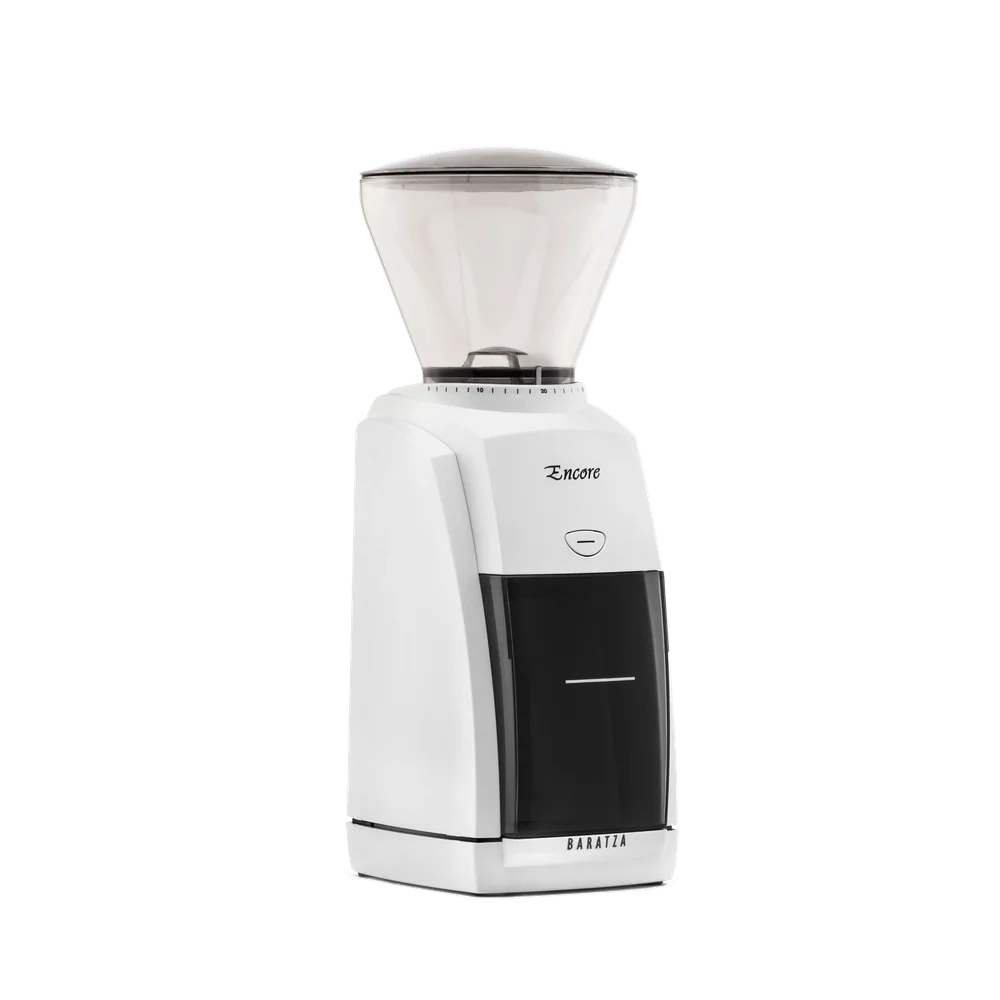
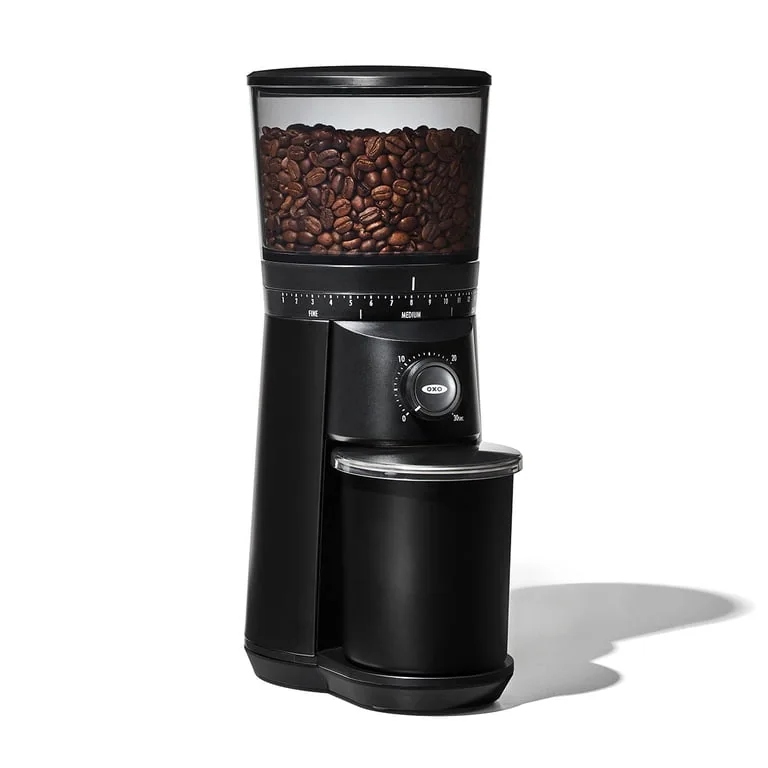
What to clean without disassembly
Daily cleaning is mostly about the parts that touch grounds after they leave the burrs. Empty and wipe the catch cup or grounds bin so old fines do not stick and fall into the next dose. If you grind into a portafilter or basket, wipe the fork area and the chute exit so built up dust does not puff out later. A small, dry brush works well for the chute opening and any ledges where grounds collect.
For blade grinders, wipe the bowl and lid after each use. Oils build quickly on the metal and plastic, and that stale film is easy to taste. Avoid washing the blade grinder base under running water. Instead, wipe with a barely damp cloth and dry immediately. For any grinder, keep the outside clean around buttons and dials. Coffee dust can work its way into seams and make the grinder feel grimy over time.
How to access burrs safely and simply
Weekly or monthly, you will want to brush around the burrs. Many burr grinders allow tool free access by removing the hopper or top burr carrier. Before you open anything, unplug the grinder and remove beans from the hopper. Then run the grinder briefly to clear what is already in the chamber, if your design allows it. Once open, use a stiff brush to sweep grounds from the burr teeth and the surrounding chamber.
Pay attention to how parts align. Some grinders have calibration marks or a specific seating position for the top burr. If you reinstall it incorrectly, your grind settings can shift and you will wonder why your usual number no longer works. Avoid using water on burrs. Moisture can cause corrosion and can turn trapped grounds into paste. If you need more than brushing, use cleaning pellets made for grinders only if your grinder maker allows them, and follow the instructions carefully.
Oily beans: what changes and what to watch for
Oily beans are usually darker roasts, and the surface sheen is oil that can smear onto burrs and chutes. That oil grabs fines and can narrow the exit path, leading to clogs, slower grinding, and more retention. You may also see more clumping because oily grounds stick together. If you love dark roasts, plan on more frequent brushing and wiping, especially around the chute and any anti static screens.
Watch for smell and texture changes. If the grinder starts to smell like old coffee even when empty, oils are likely built up. If grounds start coming out in sticky chunks or the grinder suddenly sounds strained, residue may be restricting flow. Flavored coffees are even tougher because flavoring oils can coat everything quickly and leave a persistent smell. If you switch back to unflavored coffee, a deeper clean helps prevent flavor carryover.
Signs your grinder needs a deeper clean
Taste is the first signal. If your coffee suddenly tastes dull, papery, or slightly rancid across different beans, stale residue is a common cause. Consistency is another clue. If your pour over starts stalling, your drip bed looks muddy, or your French press has more sludge than usual, fines buildup and residue can be changing how the grinder produces particles.
Mechanical behavior matters too. If the grinder retains more grounds than it used to, sprays more dust, or clogs at the chute, it is time to open it up and clean the path. If your grind setting seems to drift, check for trapped grounds around the adjustment collar or burr carrier. Built up coffee can prevent parts from seating fully, which changes the burr gap and makes your settings less repeatable.