What causes sludge: fines and agitation
Sludge comes from fines plus movement. Fines are created when a grinder produces a wide spread of particle sizes, or when beans shatter instead of being cleanly crushed. Blade grinders are the most common cause because they chop unpredictably. Some burr grinders also create more fines at coarse settings, depending on burr design and how the coffee exits the grinder.
Agitation means stirring, shaking, or plunging in a way that keeps particles suspended. The more you stir, the more fines you knock loose from larger pieces, and the longer they float instead of settling. If you pour aggressively, stir hard, then plunge fast, you are basically keeping the smallest particles in motion so they end up in your cup instead of staying at the bottom of the press.
Grind size targets and steeping habits
For French press, aim for a coarse grind that looks like coarse sea salt, not powder and not chunky gravel. If you go too coarse to fight sludge, you often end up with weak coffee because the surface area is too low for good extraction. If you go too fine, the cup gets bitter and the filter clogs, which tempts you to press harder and makes the problem worse.
Steeping habits matter as much as grind. Try a gentle pour, then a light stir just to wet all the grounds, not to whip them around. Put the lid on and let the coffee steep undisturbed so larger particles can settle. If you like a stronger cup, increase dose (more coffee) before you extend steep time too far, because longer steeps can pull more bitterness from fines that are already over extracting.
Pressing technique that keeps the cup cleaner
Press slowly and steadily. A fast plunge forces water through the bed of grounds like a piston, which can push fines through the mesh and stir up settled particles. If you feel strong resistance, do not muscle through it. That usually means the grind is too fine, there are too many fines, or you agitated too much earlier.
After pressing, pour gently and stop before the last ounce or two. The bottom of the press is where fines collect, and pouring it all guarantees more grit. If you want an even cleaner cup, decant the coffee into a separate carafe right after pressing. Leaving coffee sitting on the grounds continues extraction and makes the last cups taste harsher, even if the first cup was balanced.
When a different grinder makes more difference than a new press
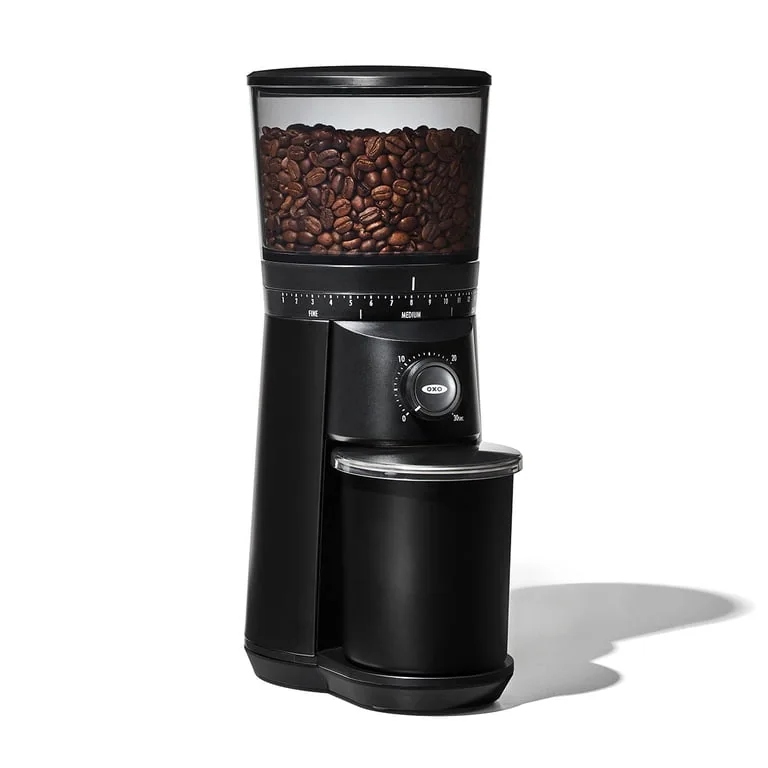
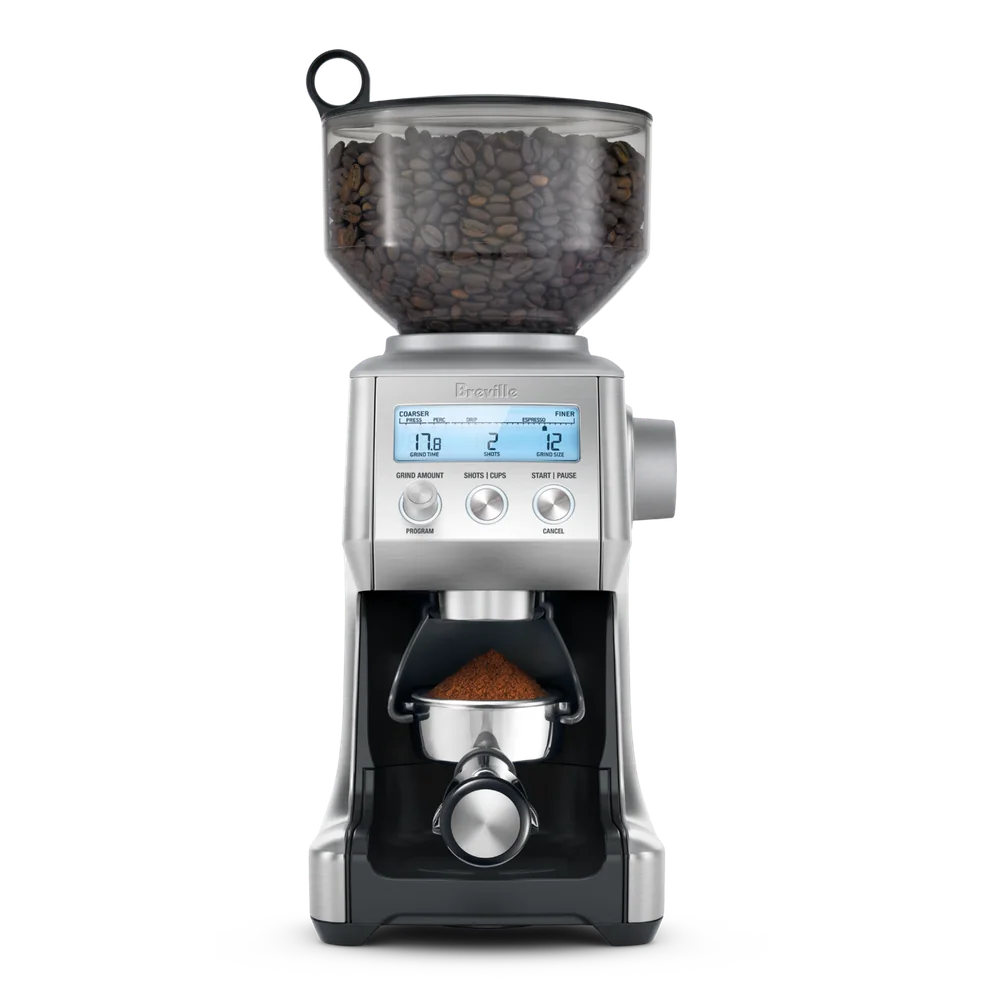
If you are using a blade grinder, switching to a burr grinder is the biggest single improvement you can make for French press clarity. Burr grinders crush beans between two shaped surfaces set to a gap, which produces a more uniform grind. Uniformity reduces both under extracted boulders and over extracted dust, so the cup tastes cleaner even before you change any technique.
If you already have a burr grinder but still get lots of sludge, pay attention to how it behaves at coarse settings. Some grinders create a surprising amount of fines when set coarse, which shows up as a muddy press even with careful plunging. In that case, a press upgrade will not fix the root cause. A grinder that stays consistent at coarse settings will, and it will also improve drip and pour over if you brew those too.
What this guide helps you understand
To reduce French press sludge without weakening the brew, focus on fewer fines and less agitation: grind consistently coarse, stir gently, press slowly, and stop pouring before the bottom.
Use a burr grinder if you want consistently cleaner French press coffee. If you cannot, grind in short pulses with a blade grinder and sift out the dust if you are willing to add an extra step.