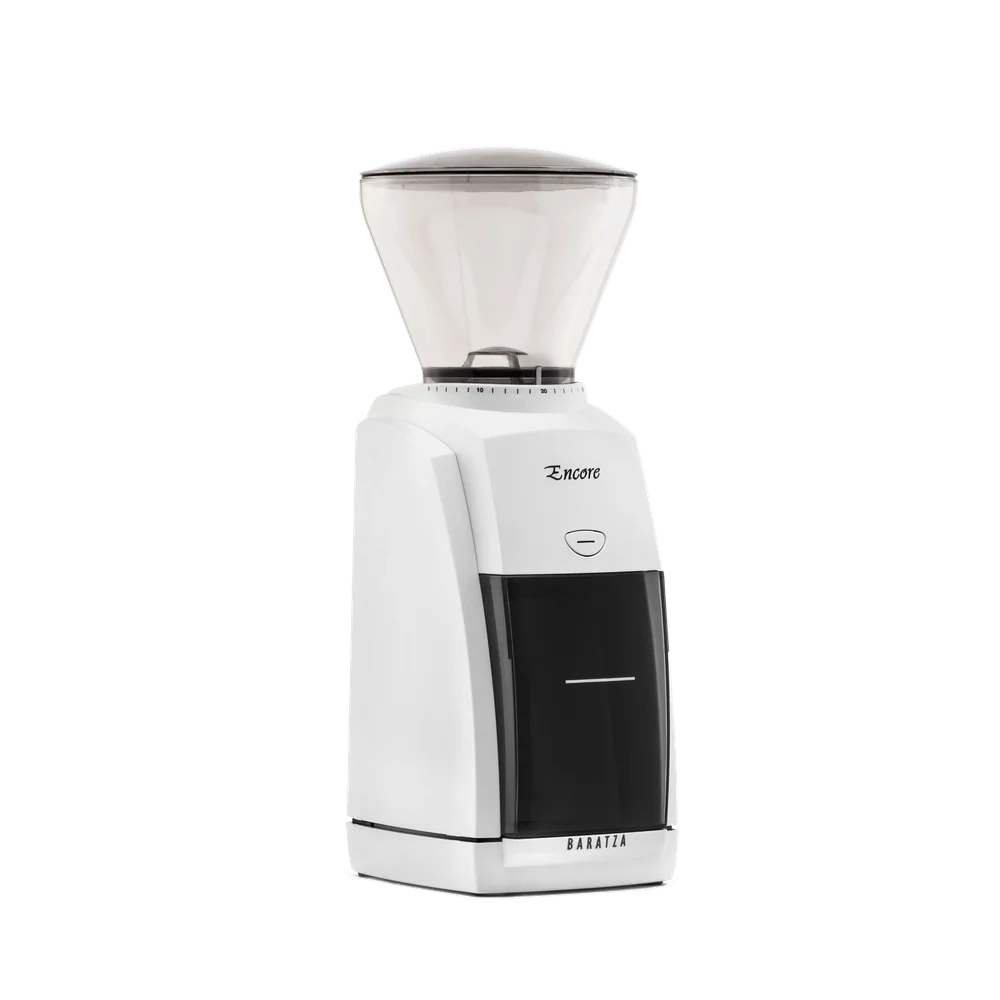
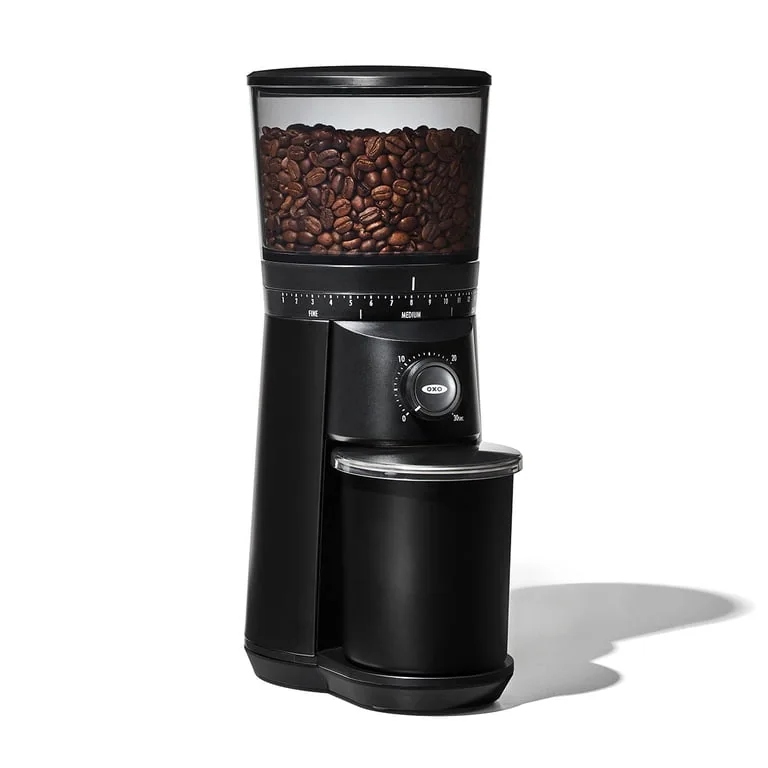
What changes when beans live in the hopper
When beans live in the hopper, your grinder becomes a quick, repeatable appliance. You can walk up, set a timer or dose, and grind without measuring beans first. That convenience is real if you make coffee half-awake or you brew multiple times a day. It also encourages consistency because you tend to keep the same coffee in the grinder and make small adjustments as the beans age.
The tradeoff is freshness and flexibility. Beans stored in a hopper are exposed to air and light every time you open the lid, and they sit near a warm motor on some grinders. If you like to rotate coffees, a hopper can trap you into finishing one bag before switching. It also makes it easier to forget how old the beans are because they are no longer in the original bag with a date or label.
Single dosing explained: weighing, feeding, and purging
Single dosing starts with portioning beans for one brew. Many people weigh beans on a small scale, then pour them into the grinder. Because the grinder is not acting as storage, you can keep the rest of the beans sealed and only expose what you need. This is especially helpful if you brew less often, buy smaller bags, or like to compare different coffees side by side.
Single dosing usually adds two steps: feeding and purging. Feeding means the grinder may not pull beans down as smoothly without the weight of a full hopper, so you might tap the lid or use a small bellows (a squeeze bulb) to push air through. Purging means clearing out retained grounds so yesterday’s coffee does not mix into today’s dose. Some grinders make this easy, others turn it into a daily ritual that can feel fussy.
Who benefits most from each workflow
Hopper grinding fits people who value speed, make coffee for multiple people, or want a simple routine. It also suits households that stick to one coffee for weeks at a time. If your grinder has a reliable timed dose or a built-in scale, a hopper workflow can be very efficient because you are not weighing beans for every brew.
Single dosing fits people who switch beans often, chase repeatable results across different brew methods, or dislike the idea of beans aging in the hopper. It is also a good match for espresso drinkers who make frequent small grind adjustments, because you can change coffees without emptying a hopper. The downside is that single dosing can be messier, especially if static makes grounds cling to the chute and cup.
How retention affects taste and consistency
Retention is the amount of ground coffee that stays inside the grinder after you finish grinding. It can sit in the burr chamber (where the burrs crush beans) or in the chute (the exit path). High retention matters because those trapped grounds go stale faster than whole beans. When they mix into your next dose, they can add a flat, papery taste and make your brew less predictable.
Retention also affects dialing in, meaning adjusting grind size to hit the taste and timing you want. If old grounds are still inside, a grind change may not show up fully in the next cup because part of the dose is still the previous setting. Hopper users often accept a little mixing because they are using the same coffee daily. Single dosers usually care more, so they choose grinders designed to clear out easily, or they build a small purge into their routine.