Moka pot basics: pressure and flow in plain English
A moka pot has three main parts: the bottom chamber for water, the filter basket for coffee, and the top chamber for brewed coffee. As the stove heats the bottom chamber, water expands and creates pressure. That pressure pushes hot water up a tube, through the coffee bed, and out a spout into the top. The coffee bed acts like a filter and a valve at the same time. If it is too tight, pressure builds and flow becomes unstable.
Unlike drip brewing, where gravity does most of the work, a moka pot depends on pressure and heat. If the water in the base boils hard, steam pressure spikes and the brew can surge through the coffee, extracting harsh flavors quickly. If the heat is too low, the pot may take a long time to start, which can overheat the coffee bed and still taste bitter. A controlled, moderate heat usually gives the most predictable flow and flavor.
Grind size targets and what happens when you go too fine
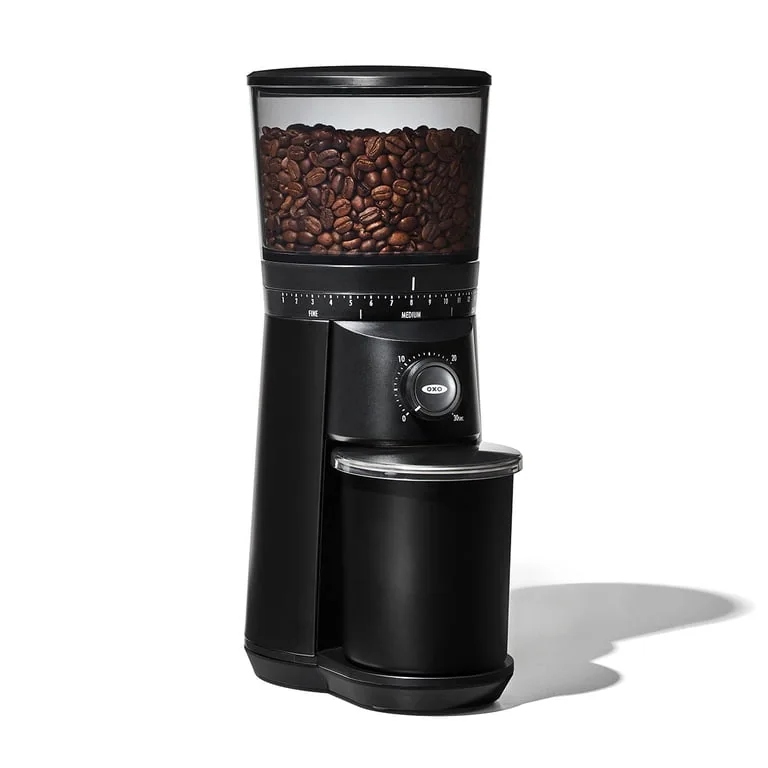
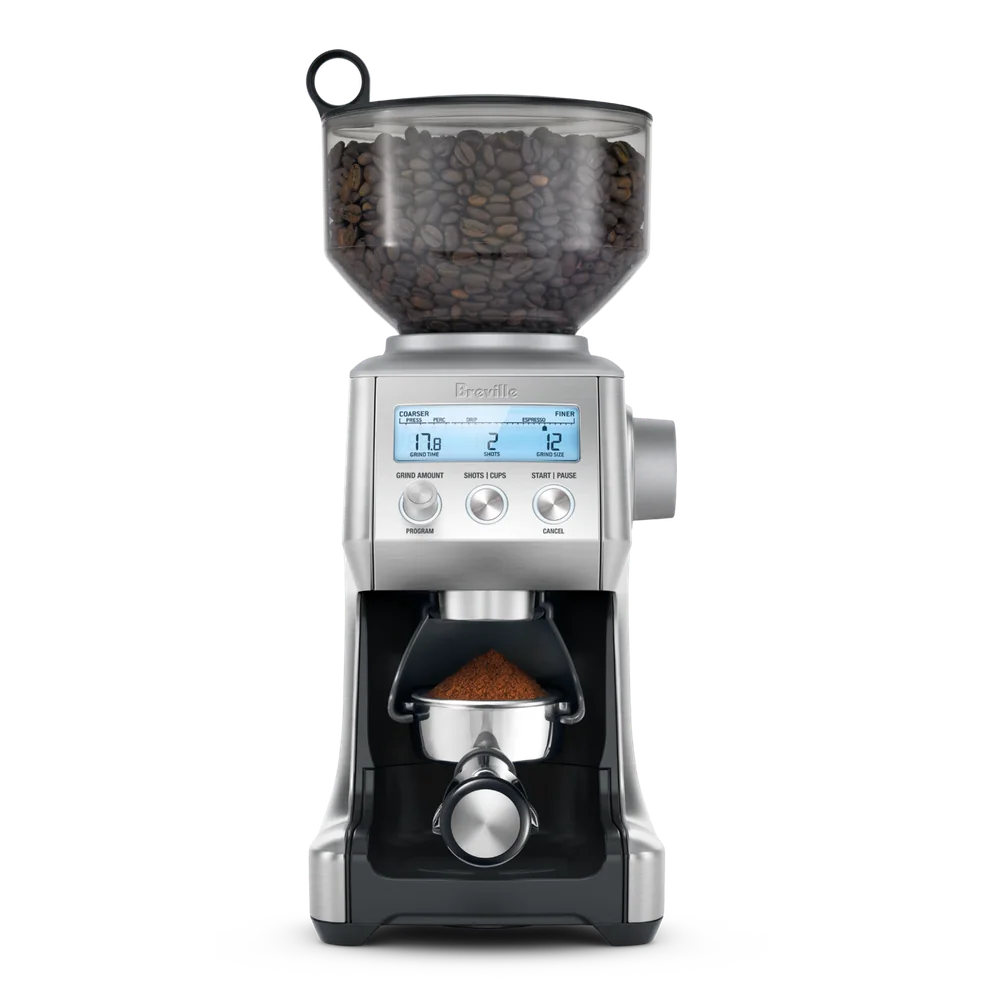
For moka pot, aim around a fine to medium-fine grind. It is typically finer than most drip coffee but coarser than espresso. The right setting lets water pass through with steady resistance. If your grinder produces lots of dusty fines (powdery particles), the basket can clog even when the overall grind looks reasonable. That is why a consistent burr grinder usually makes moka pot easier to dial in than a blade grinder.
Too fine a grind increases resistance. Water struggles to pass, pressure rises, and the pot may sputter or gush late in the brew. The cup often turns bitter and harsh because the water spends too long in contact with the coffee and can pull more bitter compounds. Too coarse a grind does the opposite: water rushes through, extraction is low, and the coffee tastes weak, sour, or watery. If you are close but not perfect, adjust in small steps and change only one variable at a time.
How to pack the basket without choking it
Fill the basket to the top with coffee, then level it gently. Do not tamp (compress) the coffee like espresso. Tamping makes the bed too dense for moka pot pressure, which encourages channeling (water forcing a path through weak spots) and can cause sputtering. If you want a slightly higher dose, use a fuller basket, not a harder pack. A simple habit that helps is to tap the side of the basket lightly to settle grounds, then level again without pressing down.
Also pay attention to the rim and gasket area. Wipe stray grounds off the basket rim and the underside of the top chamber before you screw the pot together. Grounds caught in the seal can cause leaks, which reduces pressure and leads to weak coffee and messy sputtering. Use the correct water level in the base, typically up to the valve area, not above it. Overfilling can send water into the brew path too early and make the pot behave unpredictably.
Fixing bitterness, weak coffee, and sputtering
Bitterness usually comes from too much heat, too fine a grind, or a brew that runs too long. Start by lowering the heat so the pot produces a calm stream, not a roaring boil. If bitterness persists, go slightly coarser and make sure you are not tamping. If the brew starts very late and then rushes, that is often a sign of too much resistance followed by a pressure surge. A small grind adjustment and gentler heat can turn that into a steady, earlier flow.
Weak coffee usually points to too coarse a grind, too little coffee in the basket, or a leak at the gasket. Go a bit finer, fill the basket fully, and check that the gasket is pliable and seated correctly. Sputtering at the end is normal to a point, but violent spurting and a burnt smell are not. Pull the pot off the heat when the stream turns pale and bubbly, then cool the base briefly under running water to stop extraction. That simple stop can reduce harshness without changing your recipe.