
Pickori's Take
- Spend on the chores you repeat most often: in this case, mopping hard floors.
- Build a quick floor check into the routine, because small clutter is its weak spot.
- Choose the dock location before you buy: near water, with headroom to lift the tanks out.
- Keep damp pads away from any rug you can't risk getting wet.
- Homes with long-haired pets and lots of carpet should shop on hair handling, not mopping.
What your money buys, and what it leaves out
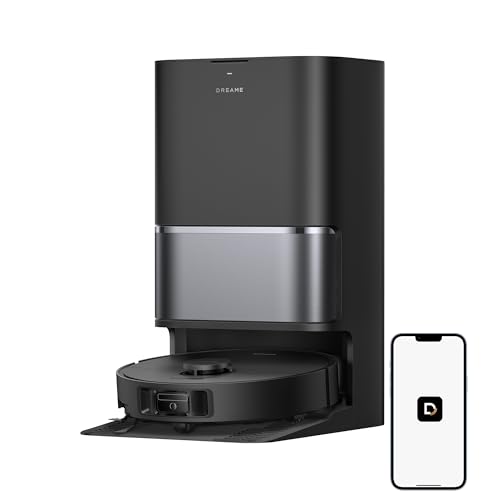
Despite the Gen 2 name, this robot isn't a step above the L40s line or Dreame's top tier. It sits below camera-equipped models such as the L40s Ultra AE. Dreame kept the cleaning and dock hardware that matter for mopping and left out object recognition.
That split defines the value. Compared with a robot that mops but leaves the dirty pads to you, the Gen 2 takes over the most tedious part of mopping and works closer to the edges of a room. Compared with the camera-equipped models above it, it leaves the job of spotting objects to you. That trade only makes sense when it actually costs you less at checkout. Fewer features don't guarantee a lower total, so compare the real prices rather than assuming the simpler robot is cheaper.

Why we like it: edge reach, steady pad care and strong spot cleaning
Round robots with spinning pads tend to leave a thin unmopped band along walls and cabinet bases, which is exactly where splatter and dusty footprints build up. The Gen 2 swings its mop and side brush outward at the perimeter to work closer to those edges. That means fewer trips with a hand mop along the kitchen toe kick, though tight corners can still need a touch-up and baseboards stay your job.
The dock changes the rhythm of mopping more than any suction figure does. Washing the pads during a job reduces how much grime they build up before moving on to the next room. Heated-air drying afterward cuts down on the dampness that would otherwise linger in the pads and wash area. That lowers the odds of odor without ruling it out, which is why the upkeep covered below still matters.
One dock feature is in dispute. Dreame's current spec table lists hot-water pad washing. Vacuum Wars reports that the pads were washed at room temperature, and the description of Jamie Andrews' video on this model says hot-water washing was removed to cut cost. Until Dreame clarifies, we wouldn't buy the Gen 2 expecting heated wash water. The case for it rests on its cleaning and drying, not on wash temperature.
The stain result in the lab table points to effective scrubbing on the sticky spots that make a kitchen look dirty. In a large or greasy kitchen, how often the pads go back for washing also shapes the outcome, so the wash-frequency setting is worth adjusting.
What the lab results mean for your floors
Vacuum Wars bought and tested this exact model. These are the measurements most relevant to a buying decision, with our read on what each means at home.
| Workload | Outlook | What to expect |
|---|---|---|
| Embedded grit in carpet | Strong | Removed 90% of embedded sand versus an 82.2% average. That bodes well for entry mats and kitchen runners that hold tracked-in grit, the debris you feel underfoot. |
| Dried stains on hard floors | Strong | Scored 144 on the stain test against a 108 average. A good sign for sticky drips near the stove or fridge. |
| Flattened pet hair | Below average | Collected 69% against an 82% average. Fur pressed into rugs by foot traffic may need extra passes or an occasional manual vacuum. |
| Long-hair wrapping | Weak | Poor result on long hair. Homes with long-haired pets or people should expect hair wrapping on the brush and regular detangling. |
| Obstacles | Weak | Avoided 2 of 24 obstacles; the original L40 avoided 21 and the L40s Ultra AE 19. This is the clearest gap between the Gen 2 and its siblings. |
The gap between the grit and hair results is the most useful lesson in the table. Pulling sand out of carpet and releasing fur that's been pressed into it are different problems. The first rewards strong agitation and suction, while the second depends heavily on how the brush grips hair and lets it go. The Pa rating measures suction pressure, and brush design, floor contact and test setup all shape real pickup, so the number alone explains neither result.
That points to a clear shopping rule for homes with lots of carpet and heavy shedding. Look for robots whose carpet fur pickup and hair-wrapping resistance have each been tested on their own, not just a headline suction figure or a pet-friendly label. If the robot also mops, check how it handles rugs and how it keeps wet pads away from carpet. Our best robot vacuums of 2026 guide is the place to compare candidates on those terms. For that buyer, the Gen 2's mopping strengths are mostly beside the point.

Fitting it into your home: placement, scheduling and rugs
Start with furniture clearance. Measure the gap under sofas, beds and dressers against the robot's height in the specs, and leave a margin rather than counting on an exact fit. A robot that barely fits can wedge itself under a low frame or sagging upholstery, while one that clearly doesn't fit simply skips that space. If the areas you most want cleaned are under furniture, measure those first.
The dock takes more planning than its footprint suggests. At about 23 inches tall, it needs headroom to lift the tanks out, which rules out some spots under shelves or overhanging counters. You'll be carrying water to and from it, so a location near a sink or utility drain turns tank care into a quick routine instead of a trip across the house. Dreame's manual also calls for open floor in front of the dock so the robot can approach it straight on, so don't tuck it into a tight alcove. Setup uses 2.4GHz Wi-Fi, so make sure that band reaches the spot you choose.
Once it's placed, the Gen 2 works best on a routine. You can vacuum, mop, do both at once, or mop after vacuuming, and the app lets you set how often the robot goes back to wash its pads during a job. Mop after vacuuming suits crumb-heavy kitchens, where wet pads would otherwise push debris around. A busy kitchen is also the room where more frequent pad washing is worth the extra trips to the dock.
Your floor plan shapes the schedule as much as the robot does. In an open-plan home, running the kitchen and entry as their own job lets you clean the high-traffic zone more often without sending the robot through a living area where chargers or toys may be out. Save whole-home runs for when floors are naturally clear, such as after everyone has left in the morning.
Rugs need the most care. The mop lift raises the pads when the robot detects a rug, but that only creates clearance, not a promise that a damp pad never brushes the fibers. Test no-mop zones on your own rugs before you rely on them. The simplest approach is to keep vulnerable carpet out of wet jobs entirely. Mop the hard-floor rooms on their own, and roll up or close off any rug you can't risk getting damp. The robot doesn't remove its pads automatically, but you can take them off by hand. Before a vacuum-only pass over a delicate rug, make sure the pads are dry or off the robot.
One limit matters for kitchens and pet bowls in particular. Dreame says the robot isn't meant for standing liquid, so spills still need a towel before the next run.

While you're comparing
The right product, at a better price
Our free morning email rounds up discounts worth knowing about, from kitchen upgrades to everyday tech. Reviews and buying guides arrive separately in our occasional newsletter.
Free to joinUnsubscribe anytime
What it gives up: object recognition and some unavoidable upkeep
Mapping a room and avoiding small objects are separate jobs. A useful map tells the robot where rooms and furniture are; it doesn't prove the robot will recognize a charging cable on the next run. Judge obstacle handling by observed results, not by how polished the map looks in the app. The comparison in the table is a reason to choose carefully, but it doesn't isolate which sensor or software decision caused the gap.
For pet owners, one rule applies to every robot: if a pet accident is plausible, check the floor before a run. Camera recognition improves the odds of steering around clutter, but no model makes that check optional. With the Gen 2 the check matters more, because it leaves less margin for anything small on the floor.
The dock takes on the dirtiest jobs, not all of them. Dreame advises draining and rinsing the dirty-water tank after each use to limit odor. The clean tank takes water plus only compatible Dreame cleaning solution, which you add yourself unless you buy the separate detergent dispenser. Beyond the tanks, expect to clear wrapped hair from the main brush and wipe residue from the dock's washboard area. Filters need to dry fully before you refit them, and the sensors need an occasional wipe. Dust bags and pads get replaced as use dictates. Bag changes depend on how much debris your home produces. The wet side of ownership follows your mopping schedule, and in a home that mops daily, that means a short tank routine most days.
Original L40 owners: no compelling reason to switch
If your original L40 works well, keep it. The Gen 2 is a separate model rather than a straightforward successor. We'd prioritize dependable obstacle handling over a newer label in a home where cords and socks regularly end up on the floor. Upgrading should solve something that bothers you, not give you another chore to do before the robot starts.
If your original is failing and you're weighing the two, decide by your floors. A home that stays clear can live with the Gen 2's weaker avoidance, while a home that relied on the original's avoidance will notice its absence quickly. If you do buy the Gen 2, install firmware updates early. The description of Jamie Andrews' video notes an update that fixed crooked, non-straight navigation.
L40s Ultra AE: the better buy when the prices are close
The L40s Ultra AE is the Gen 2's most direct alternative. Dreame gives it an RGB camera alongside 3D structured light, a liftable rubber main brush, an included TriCut 3.0 brush, automatic detergent dosing and a listed 75°C pad wash. Its advertised suction is lower, at 19,000Pa, yet its reported obstacle handling is far better, a reminder that the suction rating doesn't decide how a robot copes with a lived-in home.
If the complete checkout totals are similar, we would buy the AE. Better obstacle handling widens the range of homes and times it can run in, and its included extras would add to the Gen 2's cost if you wanted them. We found no head-to-head test showing the AE cleans floors better overall, so its advantage is judgment and included equipment. It still doesn't excuse you from checking the floor for pet accidents.
The Gen 2 wins when the actual saving matters to you and your home doesn't need what the AE adds. Price both robots the way you'd really own them, and add the optional detergent dispenser or TriCut brush to the Gen 2 only if you'd use them. A buyer who doesn't mind adding solution by hand, has no long-haired pet and keeps floors clear can take the simpler robot and keep the difference.
Roller mop or spinning pads: matching the mechanism to your floor plan
eufy's Omni C28 and the Gen 2 handle the dirty-mop problem in different ways. The C28's roller is cleaned on board while it mops, so the surface touching the floor is refreshed continuously through a pass. The Gen 2's spinning pads collect dirt until they return to the dock for washing, at a frequency you set. Both docks dry with hot air, so drying isn't a deciding factor.
That difference maps onto floor plans. For a large, continuous kitchen and dining area, we'd lean toward the roller, because it keeps refreshing the mop across one long stretch instead of carrying grime until the next dock trip. For separate rooms, the Gen 2 makes more sense when you can plan smaller cleaning jobs around a conveniently placed dock. Set wash frequency to suit those jobs rather than assuming each doorway triggers a wash. Our eufy Omni C28 review covers how the roller system behaves.
Who this product fits
Open-plan condo with a busy kitchen
Picture an open-plan condo where someone already does a quick floor pickup each evening. The habit this robot depends on is already in place, so paying more for better object handling would mostly spare them a few minutes they already spend. The Gen 2's value for them is automating the next morning's mopping, while the floors are clear and the kitchen needs it. If its checkout total comes in meaningfully lower than the camera-equipped options, that's where we'd put the money.
Hard-floor main level, carpeted bedrooms
It works with some planning. Mop the hard-floor rooms as their own job, and vacuum the bedrooms only when the pads are dry or off the robot. Watch an early run over your bedroom carpet before putting it on a schedule, since pile height and fiber type vary a lot between homes.
Young kids, a dog and an unpredictable floor
Separate the rooms you can keep ready from the ones that change throughout the day. A kitchen-only schedule may be useful even when the playroom is off limits. If nobody wants responsibility for preparing those rooms, put obstacle handling ahead of dock features when you shop.
Dreame L40 Ultra Gen 2 FAQ
Is the Gen 2 an upgrade from the original L40?
Not a compelling one if your original works well. The comparison above covers when switching makes sense.
Is it a good choice for pet owners?
Decide by what you're cleaning, not just whether you have a pet. Mostly hard floors and modest shedding are a different job from fur pressed into bedroom carpet. For heavy shedding, use the hair-specific results above to choose, and check for accidents before any robot runs.
Can it mop in rooms with rugs or carpet?
Low-pile, washable rugs are the easy case, since the mop lift raises the pads over them, though lifted pads can still come close to the fibers. Keep thicker or delicate carpet out of mopping jobs, and watch an early run before scheduling the robot over it. A home that is mostly carpet won't use much of what this robot is built for.
Do I need the optional detergent dispenser or TriCut brush?
Not necessarily. The dispenser saves you from adding solution by hand. The cutting brush targets hair, but we found no independent results for it on this model. Buy either one to solve a problem you actually have, and include it in your total when comparing prices.
Can it clean up spills?
No. Dreame says it isn't designed for standing liquid. Wipe up the spill first, then let the robot handle normal mopping.
Does the lack of a camera make it more private?
It removes one source of exposure, since there's no RGB camera capturing images of your rooms. It still runs over Wi-Fi through Dreame's app, so treat it like any other connected device, not an offline one.
Who should buy the L40 Ultra Gen 2
Buy the L40 Ultra Gen 2 if your floors are mostly hard surfaces, you have a sensible spot for a tall dock near water, and a quick look at the floor before a run fits your day. For that household, we'd put regular mopping ahead of a longer feature list, provided the checkout price rewards that choice.
Look elsewhere if clutter, long hair or deep carpet define your home. Those are real limits, but in the right floor plan they're easy to plan around.
Sources and research notes
Our assessment combines Dreame's U.S. documentation, independent L40 Ultra Gen 2 testing, and Pickori's analysis of cleaning performance, household routines and competing designs. Our editorial standards.
Independent evaluations
- Dreame L40 Ultra Gen 2 ReviewVacuum Wars
- Dreame L40 Ultra Gen 2 Review - They Got the Name Wrong But the Price Right!Jamie Andrews (YouTube)