Set up before bedtime
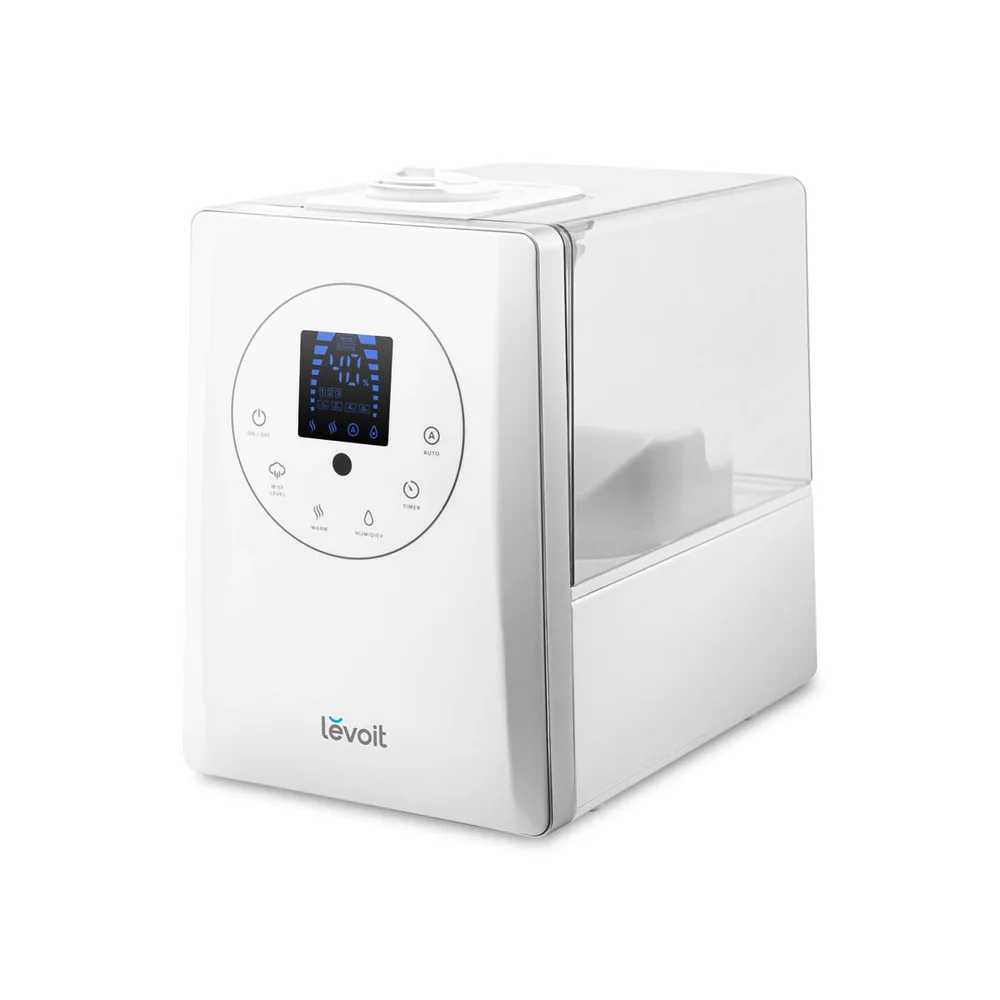
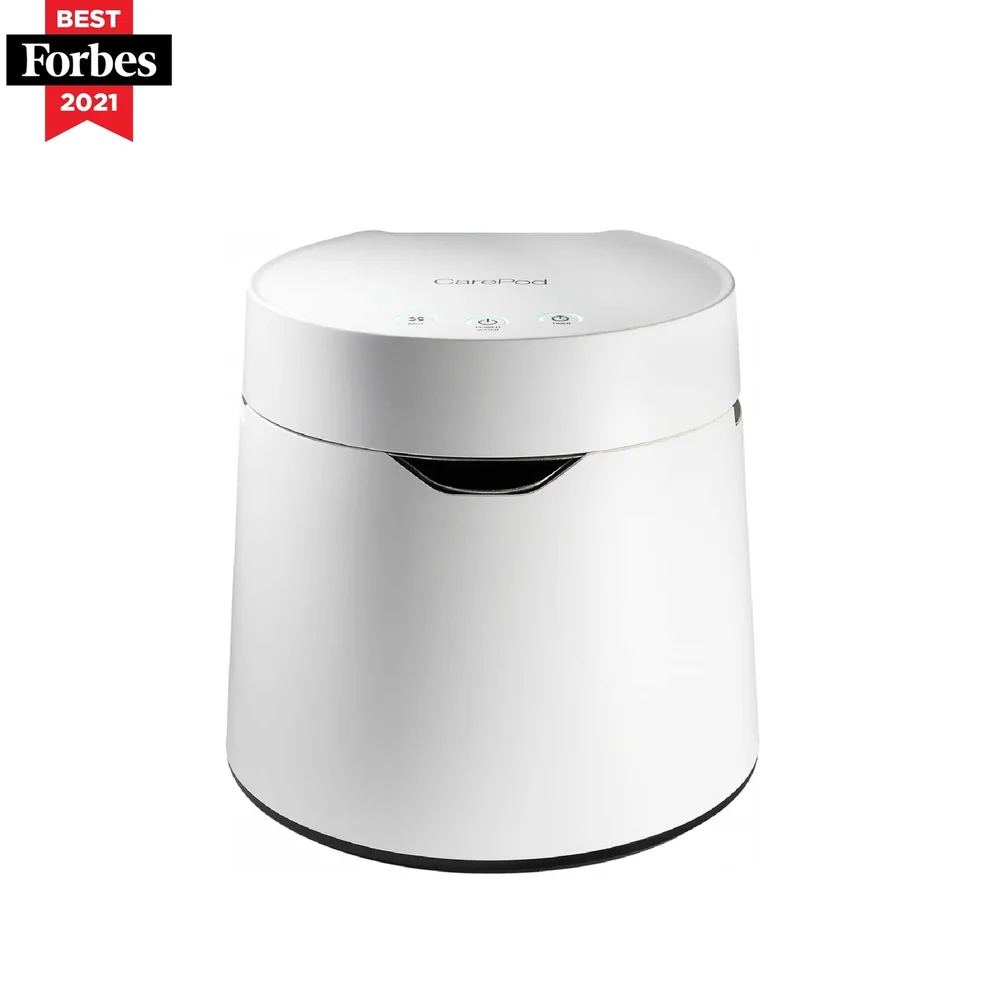
Place the humidifier on a stable, water-resistant surface, ideally a small table or stand rather than the floor. Elevation helps the mist mix into the room air instead of soaking carpet or pooling near baseboards. Keep it a few feet from the bed and away from curtains, books, and upholstered furniture. If your unit has a directional nozzle, aim it toward open air, not at a wall or window.
Before you turn it on, check the tank and base. A quick look for slime, scale, or floating debris prevents you from running dirty water all night. Fill with fresh water and seat the tank correctly so it does not leak slowly while you sleep. If your humidifier has lights, decide now whether you want them off, dimmed, or covered. A bright display can be more disruptive than you expect in a dark room.
Choose a realistic target
Pick a humidity target you can hold without condensation. Relative humidity changes with temperature, so a room that is fine at bedtime can creep higher overnight as the room cools. If your humidifier has a humidistat, set a moderate target and see how the room behaves for a few nights using a separate hygrometer across the room.
If your humidifier does not have a humidistat, use a conservative manual setting and adjust based on morning clues. Dry throat and static can mean you need more moisture. Fogged windows or damp sills mean you need less. Avoid chasing comfort by turning the unit to maximum. High output can overshoot quickly in a closed bedroom, and once surfaces get wet, you have created the conditions that lead to musty smells and mold growth.
Keep mist away from bedding
Mist should not land on pillows, sheets, or the headboard. Damp bedding feels clammy, can irritate skin, and can create a persistent musty odor that is hard to remove. If you wake up with a cool, damp feeling near the bed, the humidifier is too close, aimed poorly, or running too high. Move it farther away and lower the output.
Also think about airflow. A gentle ceiling fan or a slightly open door can help distribute humidity more evenly, which reduces wet spots near the humidifier. If you use an ultrasonic humidifier and you see white dust on the nightstand, that is a sign minerals are being dispersed. Switching to distilled water or adding mineral control can keep that residue off bedding and nearby surfaces.
Reset the room in the morning
In the morning, turn the humidifier off and check for condensation on windows and cold walls. If you see moisture, wipe it up and lower your settings for the next night. Then empty leftover water from the tank and base. This one step reduces odor and biofilm because it removes standing water that would otherwise sit all day.
Leave the tank open to air-dry if your design allows it, and give the base a quick rinse. If you notice slippery film, it is time for a more thorough clean, not just a refill. Finally, take ten seconds to look at where mist has been landing. If the table surface is damp or you see water spots, adjust placement. A bedroom routine is mostly about preventing small problems from becoming weekly chores.
What this guide helps you understand
A bedroom humidifier routine is about control and consistency. Place the unit so mist mixes into the air, set a moderate target you can verify with a hygrometer, and empty the tank in the morning. Those habits reduce condensation, odors, and surprise messes.
Place the humidifier on a stable, water-resistant surface and aim mist into open air, not at bedding or windows.
Use a hygrometer across the room to confirm overnight humidity behavior.
Lower output if you see morning condensation or feel dampness near the bed.
Empty leftover water each morning and let parts dry when possible.