Prevent mold by controlling humidity with measurements, watching for condensation, keeping the humidifier clean, and fixing moisture sources a humidifier cannot solve.
Reading time: 8 minutesBest for: Households that want the comfort of added humidity without creating condensation, musty smells, or mold-friendly conditions
Measure before adding moisture
Do not guess at humidity. Use a hygrometer, which is a small meter that reads relative humidity (RH), the percentage of moisture the air is holding compared with the maximum it could hold at that temperature. Many humidifiers have a built-in humidistat (a sensor that controls output), but a separate hygrometer placed across the room helps you see what the room is actually experiencing.
Start low and adjust slowly. In many homes, a moderate RH feels comfortable, while higher RH increases the chance of condensation on cold surfaces. If your humidifier has an auto mode, confirm it is not overshooting by checking the separate hygrometer a few times a day. If it does overshoot, lower the target, move the unit, or run it on a lower manual setting. Comfort improves with stability, not with the highest number you can reach.
Watch windows and cold walls
Condensation is the early warning sign that you are pushing humidity too high for your room conditions. When warm, moist air hits a cold surface like a window, exterior wall, or uninsulated corner, water can condense into droplets. Those droplets feed mold on paint, caulk, window frames, and behind furniture where airflow is poor.
Use your eyes and hands. If you see fogged windows, damp sills, or feel clammy walls, reduce humidifier output right away and increase air circulation. Pull furniture a few inches away from exterior walls so air can move. Avoid aiming mist toward windows or corners. If condensation keeps returning even at low settings, the room may be too cold, under-ventilated, or dealing with an insulation issue. A humidifier cannot fix those building conditions.
Keep wet parts clean
A humidifier creates a warm, wet environment inside its tank and base. That is perfect for biofilm if water sits too long. Biofilm can smell musty and can seed the humidifier with more growth each time you refill. The best prevention is routine: empty leftover water, rinse, and let parts dry when possible. Dry time matters because many microbes struggle to persist on dry surfaces.
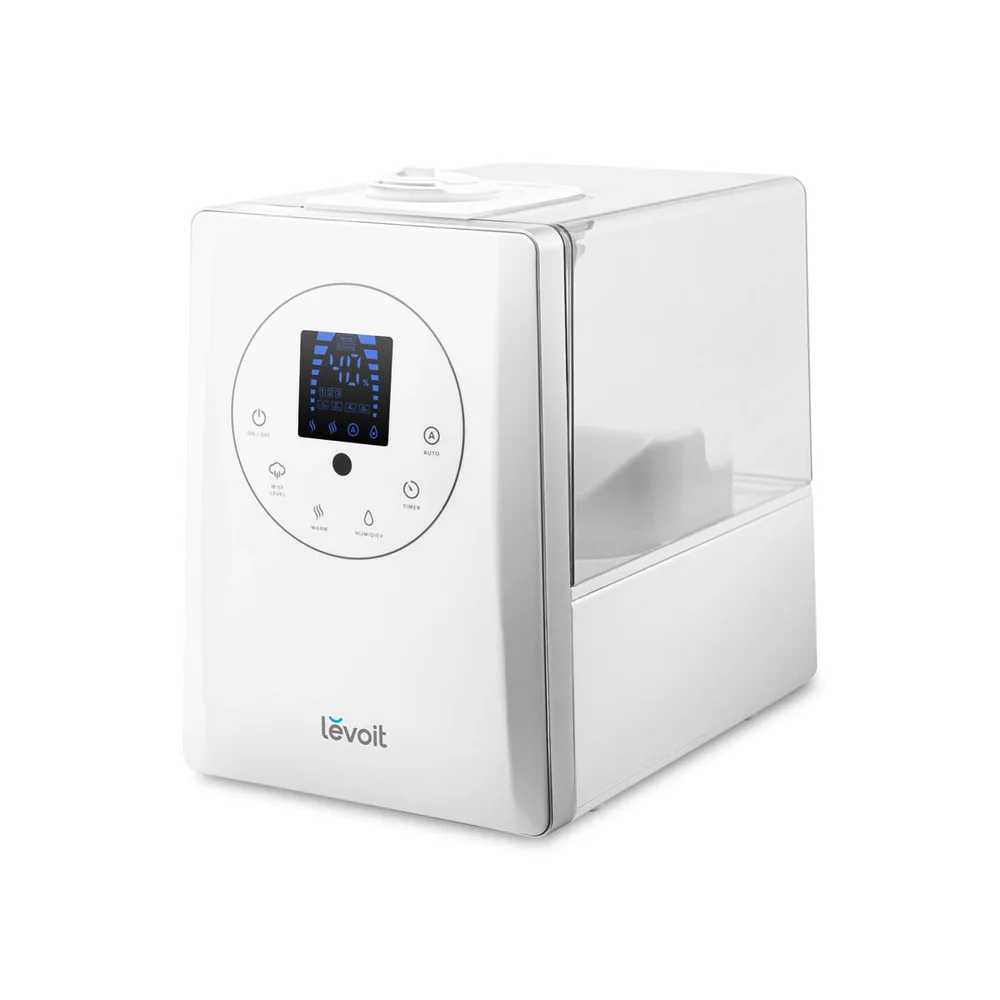
Descale and clean on schedule. Descaling removes mineral scale, which is the crusty buildup that can protect biofilm and make cleaning less effective. Use the cleaning method recommended for your unit's materials, and pay attention to seams, gaskets, and the area around the ultrasonic plate or wick frame. If a part is hard to reach, it is a part that will be neglected. That is a buying lesson as much as a maintenance lesson.
Know when the humidifier is not the answer
A humidifier is for dry air, not for moisture problems. If you already have dampness from leaks, wet basements, poor bathroom ventilation, or recurring window condensation, adding moisture can make the underlying issue worse. Musty odors, visible mold, peeling paint, and persistent damp spots are signs to stop adding humidity and address the source.
Also consider room use. Kitchens, bathrooms, and laundry areas often already have moisture spikes. Bedrooms with closed doors can trap humidity overnight, especially if the humidifier is oversized for the room. If you cannot keep humidity stable without condensation, you may need a smaller humidifier, shorter run times, better ventilation, or no humidifier at all in that space. The goal is comfort without leaving water behind on surfaces.
What this guide helps you understand
Mold prevention with a humidifier comes down to control and observation. Measure humidity, keep it moderate, and treat condensation as a stop sign. Pair that with consistent cleaning so the humidifier does not become its own moisture and odor source.
Use a separate hygrometer to confirm room humidity, not just the humidifier's display.
Reduce output or stop use if you see window fogging, damp sills, or clammy exterior walls.
Empty and rinse the tank regularly so water does not sit and grow biofilm.
Descale and clean the base and hard-to-reach areas on a consistent schedule.
Products that fit this ownership guide
As an Amazon Associate I earn from qualifying purchases.
If you need higher humidity for comfort but keep getting condensation, warming the room slightly and improving airflow can help the air hold moisture without dumping it on cold surfaces.
Oversizing is common. A humidifier that is too powerful for a small bedroom will cycle between too dry and too damp unless you run it very gently.
Safety note: If you see visible mold growth on building surfaces, address it promptly and avoid running the humidifier until the moisture source is controlled. Keep cords and outlets away from drifting mist and puddles.