Store a humidifier clean, dry, and unsealed so it does not grow odors, scale, or mold while it sits unused.
Reading time: 8 minutesBest for: Anyone putting a humidifier away for weeks or months and wanting to avoid odors, scale, and surprise maintenance later.
Clean before storage
Start by unplugging the humidifier and emptying the tank and base. Rinse out any loose debris, then descale if you see chalky buildup. Descaling means dissolving mineral deposits left by hard water. Scale can clog passages, coat sensors, and reduce output, especially in ultrasonic and warm-mist designs. Follow the manufacturer's directions for what to use and where it can sit, because some parts should not be soaked.
If the instructions include a disinfecting step, do it after descaling and rinsing. Disinfecting is meant to reduce microbial growth on wet surfaces, but it only works when the surface is already clean. Pay attention to seams, gaskets, and the base reservoir, since those areas often hold a thin film that causes odors later. Finish with thorough rinsing so no cleaning residue remains to dry onto parts.
Dry every hidden surface
Drying is the step that prevents most storage problems. A humidifier has multiple places water can hide: under the tank cap, around valves, in the base channels, and inside removable nozzles. Towel-dry what you can reach, then let parts air-dry fully in a well-ventilated area. Leaving the tank upside down on a towel can trap moisture. It dries faster when air can circulate inside.
Do not rush to reassemble and close everything up. If the tank smells even slightly sour or the base feels cool and damp in corners, keep drying. Remove and dry any small parts like caps, float assemblies, and nozzles separately. If your unit has a humidistat sensor area or vent openings, make sure they are dry too. Moisture trapped during storage is a common reason a humidifier smells bad on first use.
Handle filters and wicks
Evaporative humidifiers typically use a wick (a filter-like piece that soaks up water so a fan can evaporate it). Wicks are designed to be replaced, and storing a used wick is usually a bad idea. A wick that has been wet for weeks can harden with minerals, grow odors, and reduce output. If the wick is near the end of its life, discard it at the end of the season and plan to start fresh next time.
If you are storing a wick that is still in good shape, it must be completely dry before it goes into storage, and it should be stored loosely so it can breathe. Do not seal a damp wick in a plastic bag. For humidifiers with other consumables (cartridges, demineralization inserts, pre-filters), check whether they should be removed and replaced, removed and dried, or left installed. Keeping notes in the box can save time next season.
Inspect before next season
When you pull the humidifier out again, do a quick inspection before you fill it. Look for cracks in the tank, stiff or flattened gaskets, and any residue in the base. Check that the tank cap seal is intact and that valves move freely. If the unit has a filter door or wick frame, make sure it closes properly. A small leak can turn into warped furniture or a slippery floor once the unit runs overnight.
Do a first fill with the humidifier in a place where a small leak is easy to spot, like on a tray. Confirm the controls respond, the fan or mist output starts normally, and there is no stale odor. If you smell mustiness, stop and clean again rather than trying to "run it out." Also consider your water choice at the start of the season. If you had scale or white dust last year, changing water type or maintenance frequency can prevent a repeat.
What this guide helps you understand
The best storage routine is simple: remove scale, clean the wet surfaces, and then dry the tank and base completely before putting anything back together. Most off-season humidifier problems come from moisture or minerals left behind, not from the months of storage itself.
Store the humidifier with the tank and base fully dry, and do not seal parts together if any moisture remains.
Products that fit this storage guide
As an Amazon Associate I earn from qualifying purchases.
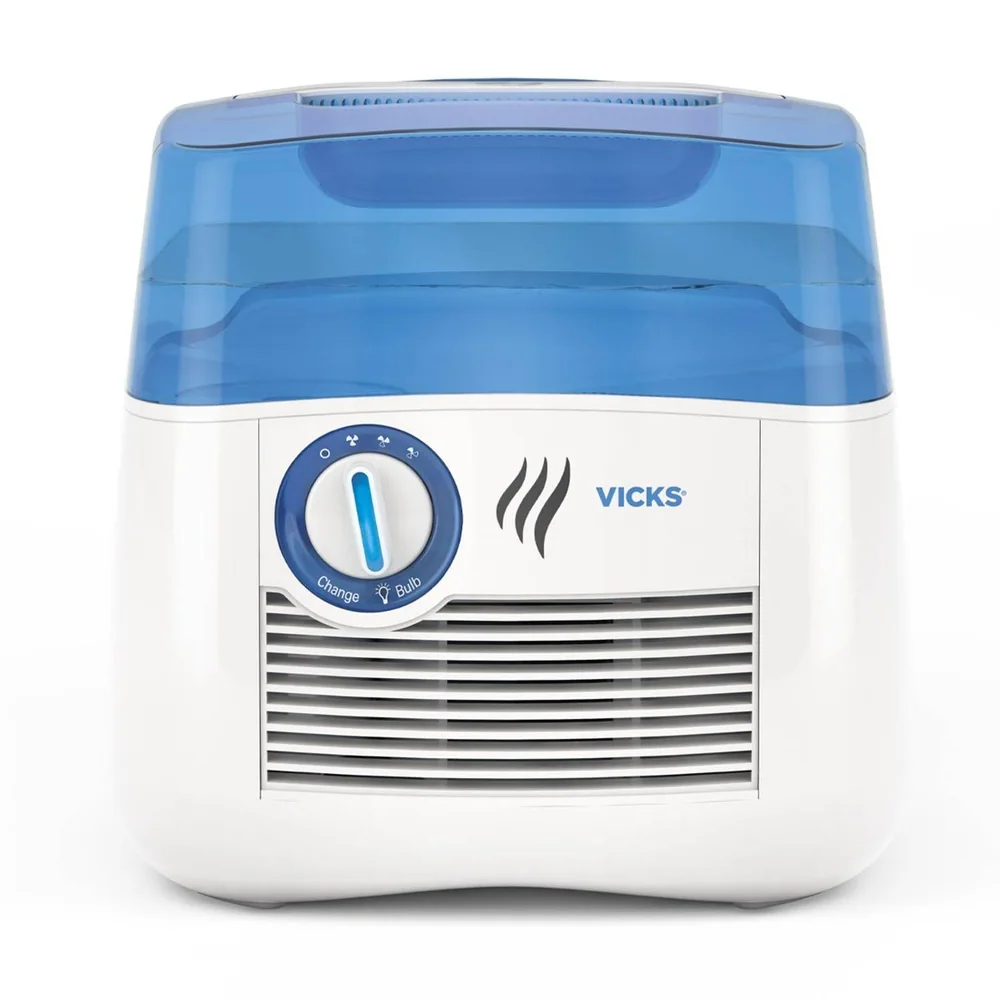
Vicks V3900 Cool Mist Humidifier works best for budget shoppers who prefer evaporative cool mist and want something you can run all day without babysitting.