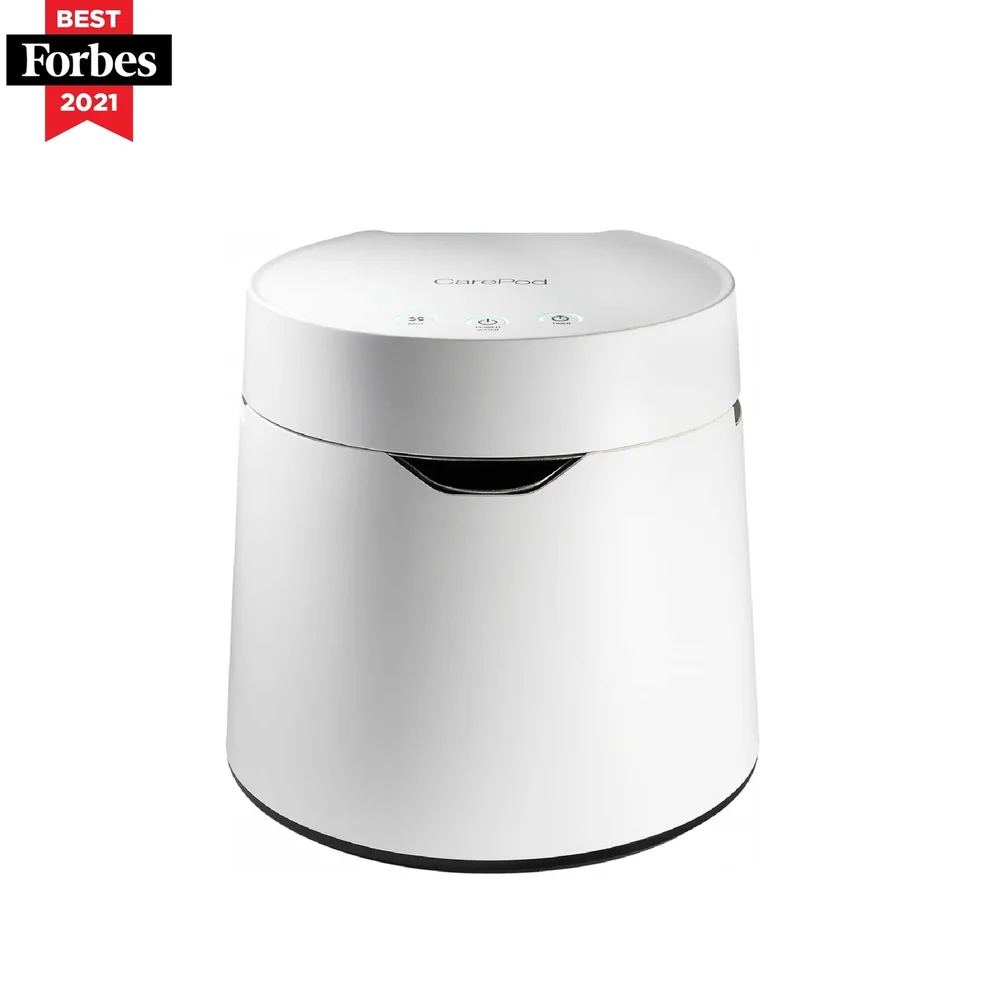
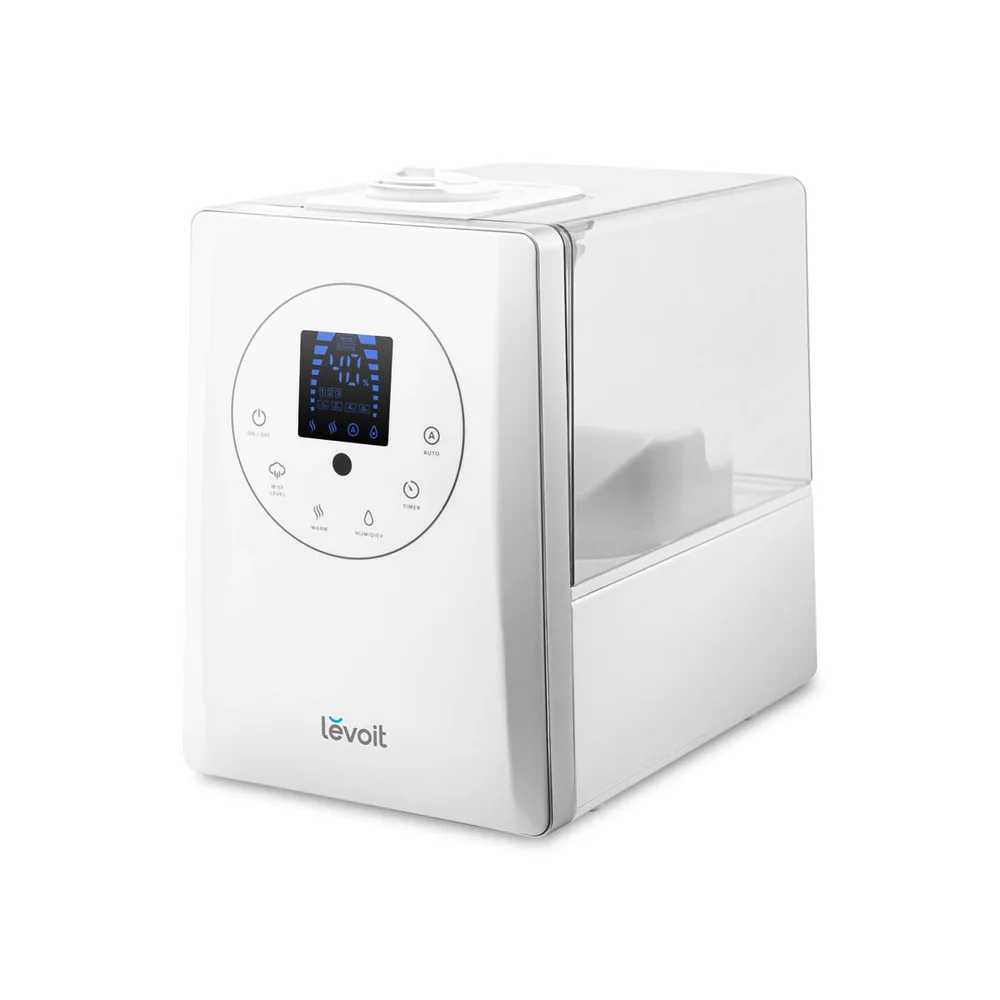
Humidify the room, not the leaves
A humidifier is most useful when it changes the room's overall humidity, not when it sprays visible mist directly onto plants. Wet leaves do not equal "humidity." Water sitting on foliage can leave mineral spots, encourage leaf blemishes, and keep the plant surface damp longer than it should be, especially in still air. If you can see droplets forming on leaves or on the shelf, the humidifier is too close or the output is too high for the space.
Place the humidifier so the mist mixes into the room air before it reaches plants. Aim for a few feet of distance and avoid pointing the nozzle directly at foliage. If your unit has a humidistat (a built-in humidity sensor that cycles the machine around a target), use it, but do not assume it measures where your plants are. If it does not have one, use a lower setting and adjust based on what your hygrometer reads near the plants.
Group plants thoughtfully
Grouping plants works because plants release moisture through their leaves, and a cluster creates a slightly more humid micro-area. A humidifier can support that effect, but the group still needs airflow so humidity does not get trapped against walls, windows, or the underside of shelves. If you pack plants tightly into a corner and add a humidifier, you can end up with damp surfaces and slow drying soil, which can invite fungus gnats and other issues.
Build a "plant zone" that is easy to monitor. Keep plants a few inches off cold windows in winter, since glass can collect condensation first. Leave space between pots for air movement, and avoid placing the humidifier under a shelf where mist can hit the underside and drip. If you use a console or larger humidifier for the whole room, keep the plant group within the room's general airflow, not in a dead corner.
Measure near the plants
A hygrometer is a small device that measures humidity, and it is the simplest way to keep plant-friendly moisture from turning into room problems. Put the hygrometer at plant height, near the group, not across the room near the humidifier. Humidity can vary a lot within the same room, especially near windows, exterior walls, and heating vents. Measuring where the plants actually live helps you avoid guessing based on how the air feels.
Use the reading to guide your routine. If humidity spikes after you refill the tank and then drops quickly, you may need longer run time at a lower output, or you may be losing humidity through a drafty window. If humidity stays high for hours, reduce output or increase airflow. Watch for early warning signs of overhumidifying: fogged windows, damp trim, a musty smell, or surfaces that feel cool and wet.
Protect furniture and foliage
Mineral dust is a common surprise with ultrasonic humidifiers. They turn water into tiny droplets, and if your tap water is hard (high in minerals), those minerals can settle as a white film on leaves, shelves, and floors. That residue is not a plant nutrient delivery system. It is a cleaning chore and can block light on glossy leaves. If you see dust, switch to distilled water, use the unit's demineralization features if available, or consider an evaporative style that does not throw minerals into the air the same way.
Also protect surfaces from moisture. Put the humidifier on a water-resistant tray or mat, and keep it off wood furniture that can swell or stain. Direct the mist away from walls, books, and electronics. Avoid tiny decorative misters for "plant misting" as a main strategy. They often have small tanks, inconsistent output, and awkward cleaning, which leads to stagnant water and buildup. A stable room setup with measurable humidity is easier to maintain than constant hand-misting.
What this guide helps you understand
Set the humidifier up to change the room's air, then verify the result with a hygrometer placed at plant height. If you see wet leaves, damp shelves, fogged windows, or mineral dust, adjust placement, output, water type, or airflow before you assume the plant needs even more humidity.
Place a hygrometer near the plants (not next to the humidifier) and adjust output based on that reading.