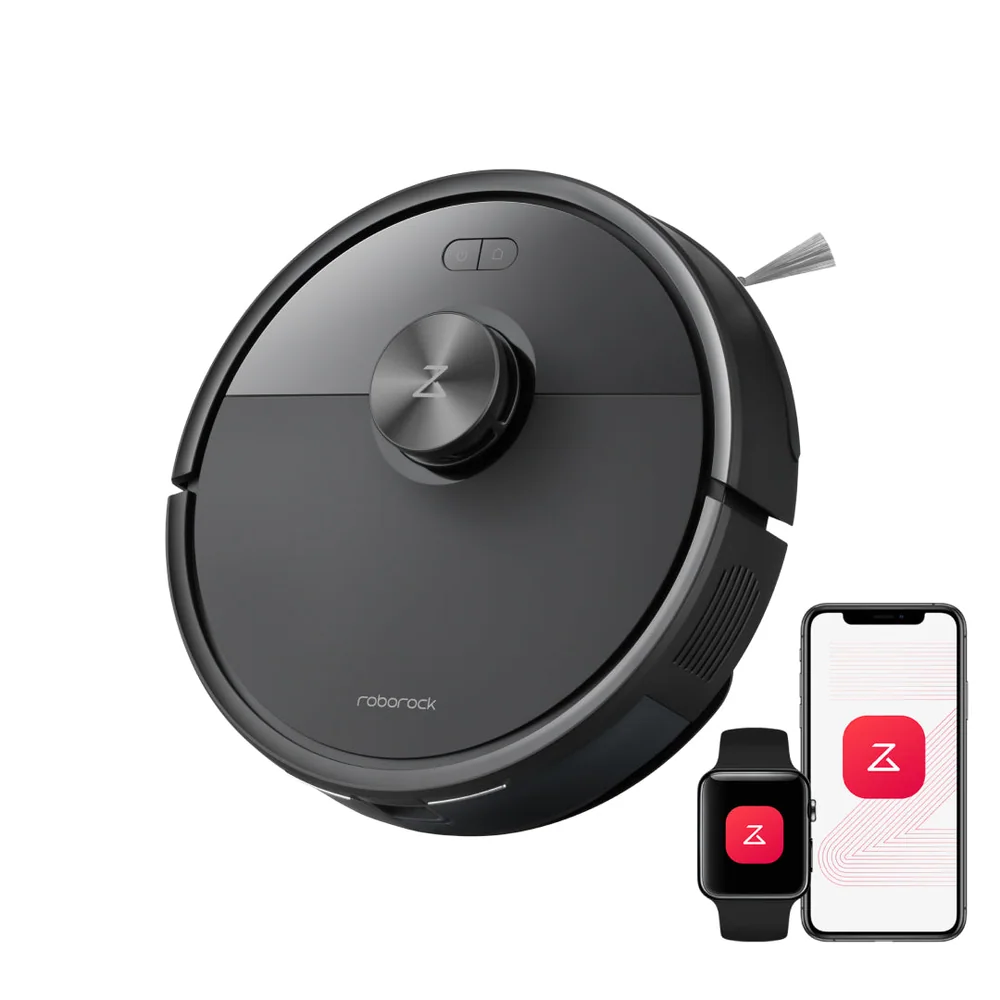
App vs buttons: what you actually need
Most robot vacuums can be started three ways: a button on the robot, a button in an app, or a voice assistant connection. If you want truly low fuss, ask yourself what you will use after the first week. Many people set a schedule once and then only use -start- and -pause.- In that case, a simple interface and clear status lights can matter more than fancy app screens.
Apps become more useful when you want room selection, no-go zones, or different schedules for weekdays and weekends. If you dislike managing apps, look for a robot that can still do basic cleaning without constant phone interaction. Also consider who in the household will control it. If multiple people need access, a confusing app can become a daily annoyance. Ease of use is partly about reducing decision points: fewer modes, clearer error messages, and a straightforward way to resume after you move a chair or pick up a sock.
Mapping features that reduce babysitting
Mapping is the robot’s ability to build a floor plan and use it to clean efficiently. The practical benefit is fewer random passes and fewer missed areas. For low-fuss ownership, mapping features that matter include room-by-room cleaning, targeted zone cleaning (like -just the entryway-), and no-go zones to keep the robot away from cords, pet bowls, or a rug fringe that tangles.
Be careful with marketing language that implies the robot -learns your home- and therefore needs no attention. In reality, maps can break when you move furniture, open or close doors, or carry the robot to another floor. A low-fuss robot makes it easy to recover: it should handle closed doors gracefully, return to the dock reliably, and let you edit or rebuild the map without turning it into a weekend project. If you have multiple floors, decide whether you want to carry the robot and start it manually, or keep a dock on each level.
Maintenance access: bins, rollers, and filters
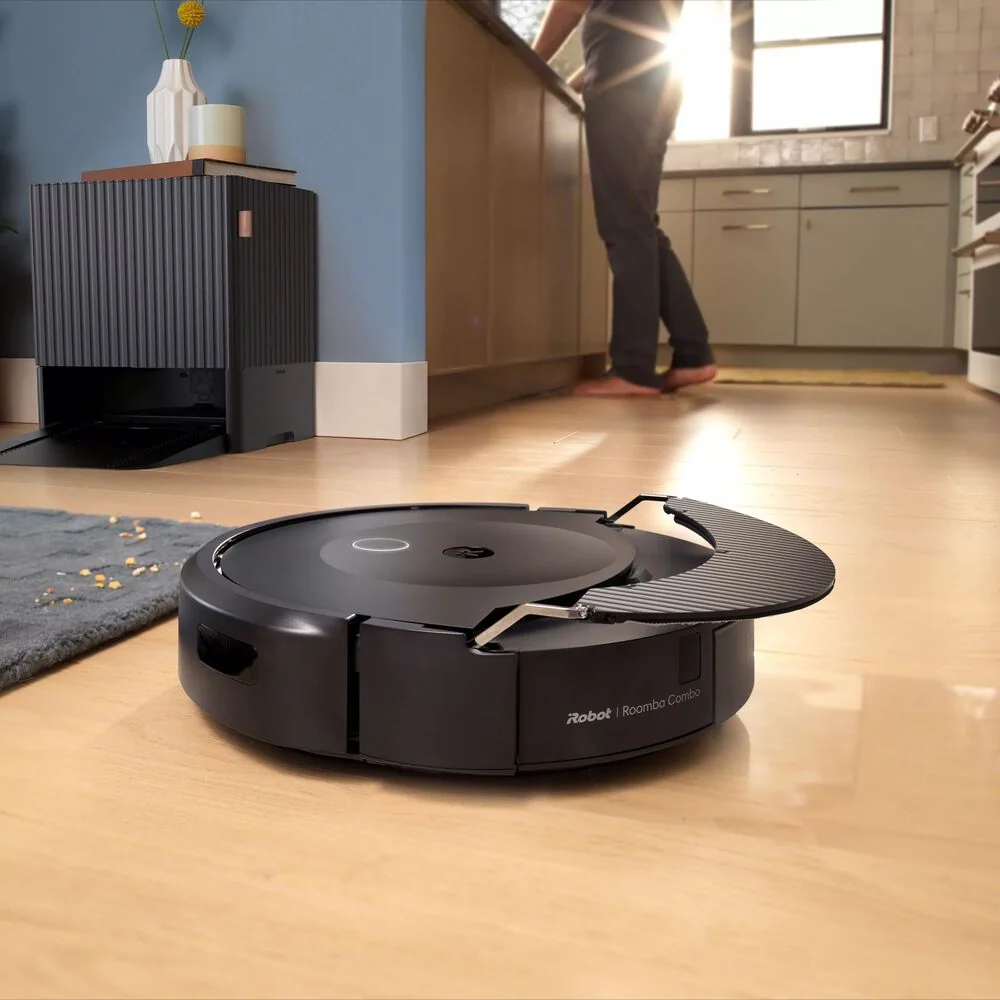
Maintenance is where -easy to use- is won or lost. The bin should be easy to remove, easy to empty, and easy to put back without fiddling. If you have allergies or hate dust clouds, pay attention to how the bin opens and whether it dumps cleanly into the trash. A self-empty base reduces how often you touch debris, but you still need to clean the robot’s bin area and sensors occasionally.
Rollers and filters are the other friction points. The roller should come out without tools, and you should be able to reach the ends where hair wraps. Filters should be easy to access and clearly oriented so you do not install them wrong. If the robot has a mop feature, add pad handling to your checklist. Pads that are annoying to remove or that smell quickly will make the whole system feel high maintenance. Low-fuss robots make the -weekly five minutes- tasks genuinely quick.
Support basics: parts availability and consumables
Robot vacuums are not buy-once, forget-forever appliances. Brushes wear down, filters clog, side brushes bend, and mop pads get tired. -Easy to use- includes being able to keep it running without hunting for obscure parts. Before you buy, check whether replacement filters, rollers, bags (if the dock uses bags), and mop pads are easy to find and not confusingly versioned.
Also consider how the robot handles errors. Clear, specific error messages reduce frustration. If the robot frequently reports vague problems like -check brush- without telling you where the jam is, it will feel harder to own. Consumables are not just a cost issue, they are a convenience issue. If you run the robot daily, you will go through filters and brushes faster than someone who runs it once a week. A low-fuss setup is one where you can keep a small stash of the basics and swap them in minutes.
What this guide helps you understand
An easy-to-use robot vacuum is one that finishes runs reliably, gives you simple controls you will actually use, and has bins, rollers, and filters you can service quickly. If maintenance feels annoying, the robot will end up parked on its dock doing nothing.
Confirm how you will start runs (button, schedule, app), and verify that replacement filters, rollers, and any dock bags or mop pads are straightforward to buy and replace.