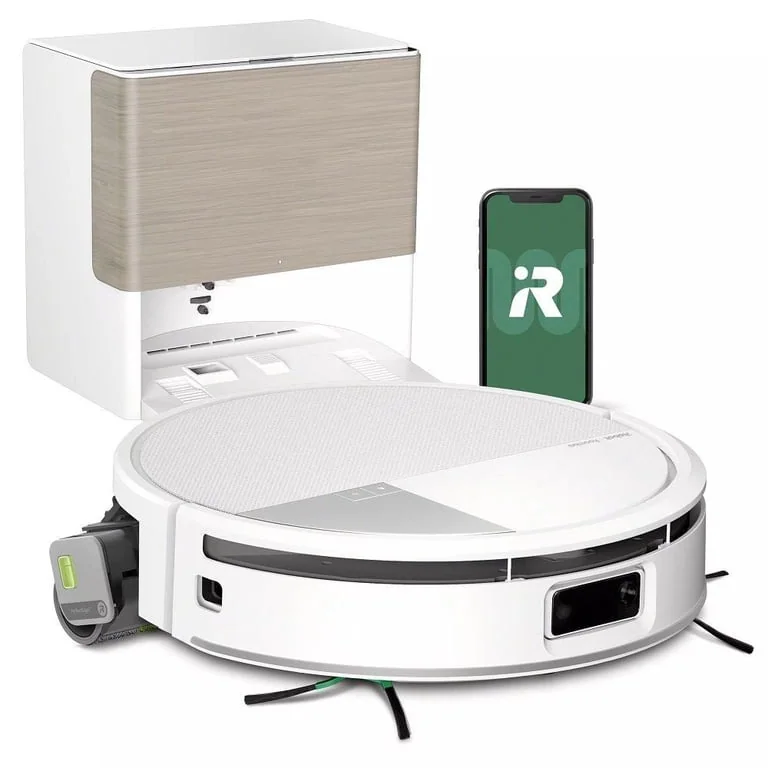
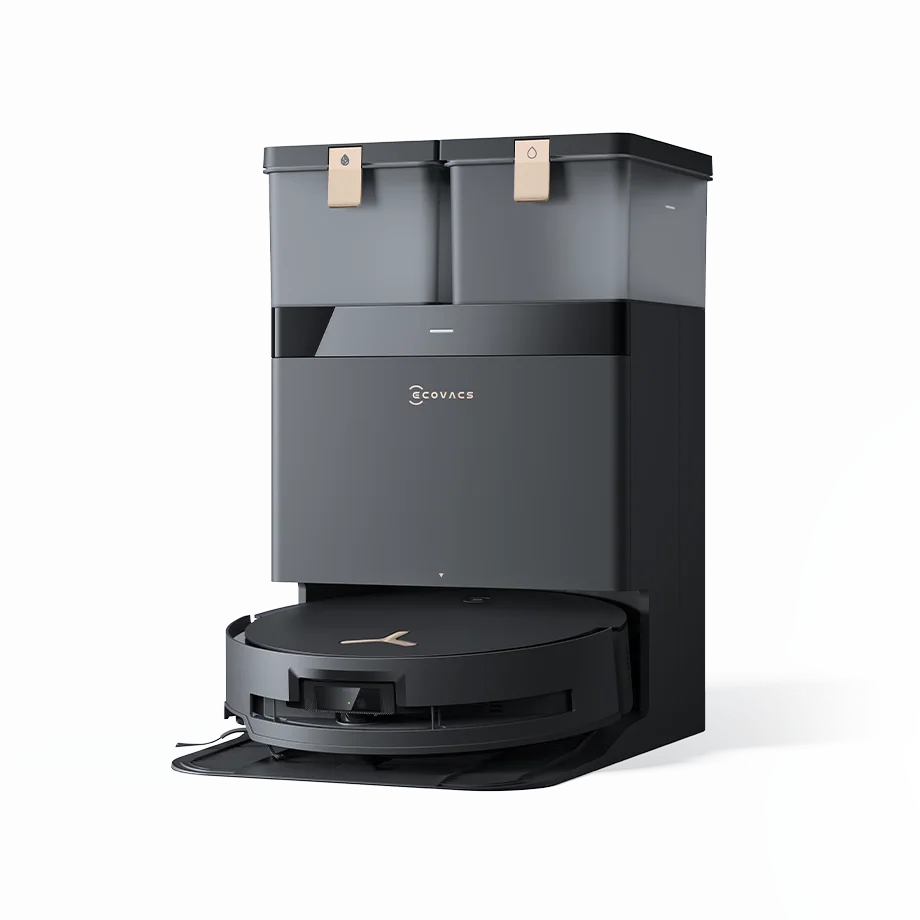
What happens during auto-empty and why it is loud
Auto-empty is basically a short, powerful suction burst from the base. The robot docks, a port lines up between the robot bin and the base, and the base vacuum pulls debris out. It is loud because it is moving a lot of air quickly through a narrow path, and it has to overcome clumps of hair and heavier grit. The noise is normal, but it can be surprising if you schedule it during quiet hours.
Auto-empty also depends on good airflow. If the robot bin is packed with hair, or if the inlet is partially blocked, the base may not fully clear it. That can lead to repeated empty attempts or a robot that starts the next run with a half-full bin. A practical habit is to check the robot bin the first few times you use auto-empty. If you see hair bridging at the opening, you will know to run the robot more often or do quick roller maintenance so emptying stays consistent.
Bagged bases: cleaner handling and recurring cost
Bagged bases store debris in a sealed bag. Ownership tends to feel cleaner because you remove the whole bag and toss it, with less dust cloud and less contact with hair. This is especially appealing if you have allergies, lots of fine dust, or you simply do not want to wipe out a canister. Bags also help contain odors better because debris is enclosed, although you still want to replace bags before they sit too long with damp debris.
The downside is ongoing cost and the need to keep bags on hand. If you run out, you either stop using auto-empty or you improvise, which usually gets messy. Bagged systems can also clog if you vacuum up a lot of fine powdery debris and the bag pores load up, which reduces suction at the base. If you choose bagged, treat bags like a normal consumable. Keep spares and replace before the base is completely stuffed, since overfilling can reduce emptying performance.
Bagless bases: no bags, more hands-on cleaning
Bagless bases store debris in a reusable canister. The obvious benefit is no bags to buy, and you can empty it whenever you want. For some households, that is simpler and cheaper over time. Bagless can also be convenient if you vacuum up bulky debris that would fill a bag quickly, because you can dump the canister and keep going without waiting for a replacement bag.
The tradeoff is dust handling. When you dump a bagless canister, fine dust can puff up, and hair can cling to the walls. You will likely need to wipe the canister and clean the base filter or screen periodically to keep airflow strong and odors down. If you hate touching dust, bagless can feel like a chore. If you do not mind a quick rinse or wipe and you want to avoid recurring purchases, bagless can be a good fit.
Where bases fit and how to keep the area clean
A self-empty base needs a stable, accessible spot. It is larger than a simple charging dock, and it needs clearance so the robot can approach straight and the base can vent air. Put it where you can open the lid or remove the bag or canister without moving furniture. Also think about noise and dust. A base in a tight closet can amplify sound and may collect dust around the vent area.
Keep the base area clean so docking stays reliable. Grit around the dock can get tracked into the robot wheels and reduce traction during the final docking alignment. If you have pets, check for fur buildup behind or under the base. For bagless bases, consider emptying into a larger trash bag and dumping slowly to reduce dust. For bagged bases, wipe the gasket and inlet area occasionally so the seal stays tight and the base does not leak dust during emptying.