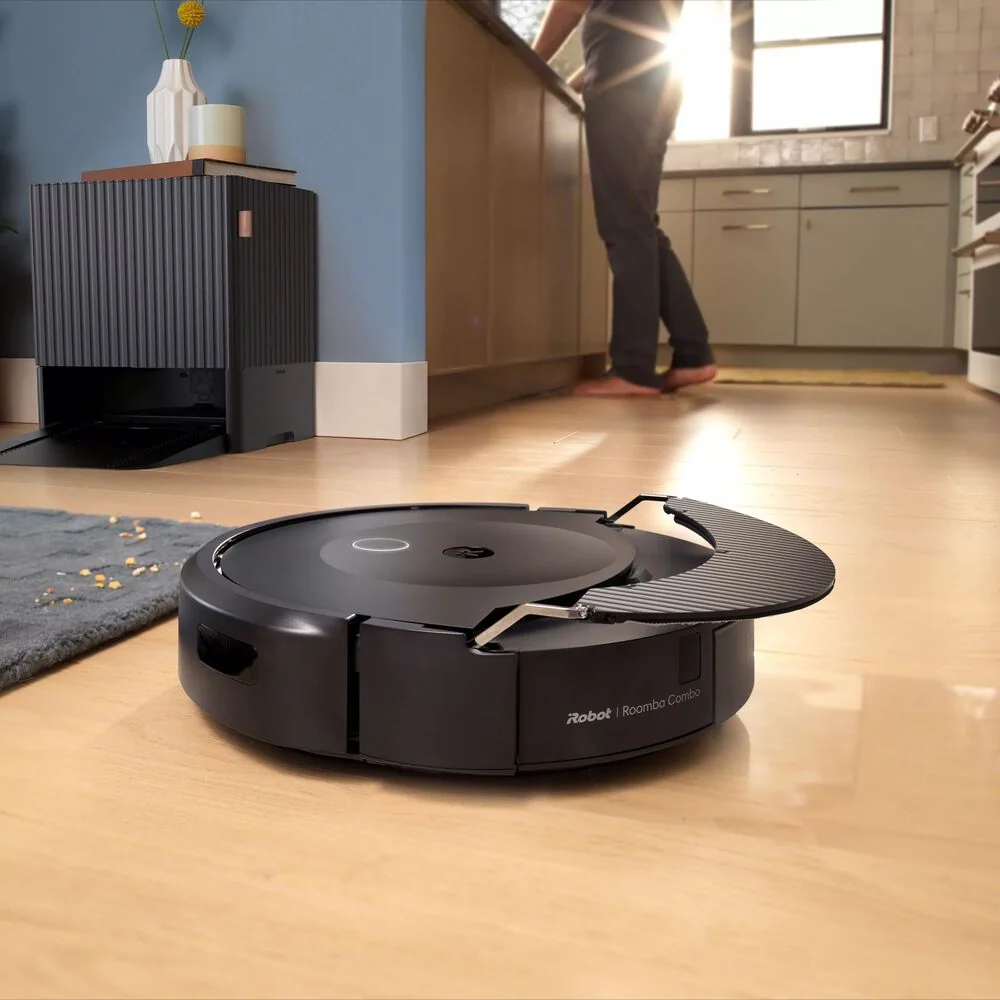
Run frequency: why daily beats occasional
Pet hair is easiest to pick up when it is still spread out. Daily runs keep hair and dander from compacting into rugs and from migrating to edges where robots are weakest. The other benefit is bin management. A small onboard bin can handle one day of shedding far better than a week, which reduces the odds of the robot dragging hair around after the bin is full.
Start with a simple schedule: high traffic pet zones daily, the rest of the home every other day. If your robot supports room-by-room cleaning, prioritize entryways, hallways, and the path between favorite pet spots. If it does not, use physical doors or baby gates to limit the area per run. You want shorter, more successful runs, not marathon sessions that end with a stuck robot and a half-cleaned floor.
Brush tangles: prevention and quick cleanup
Hair tangles happen when long strands wrap around the main roller (the spinning brush under the robot) and the end caps where the roller sits. As the wrap builds, the roller slows, suction drops, and the robot starts leaving lines of hair behind. You will also see more -bin full- behavior because airflow gets restricted even if the bin is not packed.
Preventing tangles is mostly about frequency and quick checks. After the first week, look at the roller and decide your maintenance cadence. Many pet homes do best with a fast roller check every few runs and a deeper clean weekly. Keep a small cutting tool nearby and cut along the groove of the roller, then pull hair off in strips. Also clear the side brush (the small spinning brush near the edge) because it loves to grab long hair and drag it into corners.
Litter boxes and feeding areas: containment strategies
Litter and kibble are a special challenge because they are heavy, noisy, and easy to scatter. A robot’s side brush can flick litter outward, and the robot can also push bowls around if it bumps them repeatedly. If you let the robot run through these zones without a plan, you often get a wider mess, not a cleaner floor.
Use containment first. Place litter boxes on a textured mat that traps granules, and keep the robot out of the immediate perimeter with a no-go zone or a physical barrier. For feeding areas, use a heavier mat under bowls and consider scheduling the robot for times when bowls are picked up or pushed back. If you cannot block the area, reduce scatter by running the robot more often so it is picking up small amounts instead of plowing through a pile.
When you still need an upright or stick vacuum
Robot vacuums are maintenance cleaners. They are great at daily pickup, but they do not replace deep carpet cleaning, stairs, upholstery, or the tight edge work along baseboards and in corners. Pet homes also create -hair architecture- in places robots rarely reach, like under couch edges, behind doors, and on cat trees and furniture.
Plan a simple division of labor. Let the robot handle the daily floor layer, then use an upright or stick vacuum weekly or biweekly for edges, rugs, and furniture. If you have shedding seasons, increase the deep-clean frequency temporarily rather than expecting the robot to catch up. This mindset keeps the robot from becoming a disappointment and keeps your manual vacuuming shorter and more targeted.