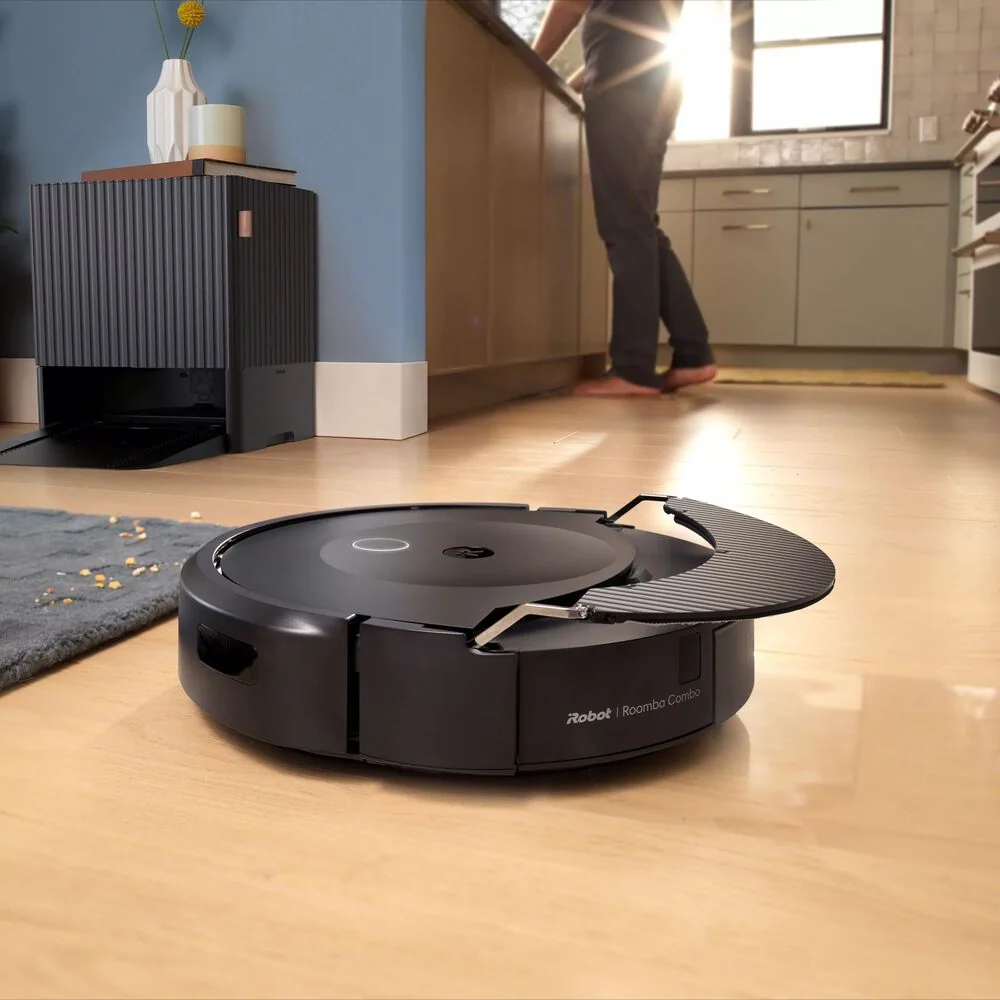
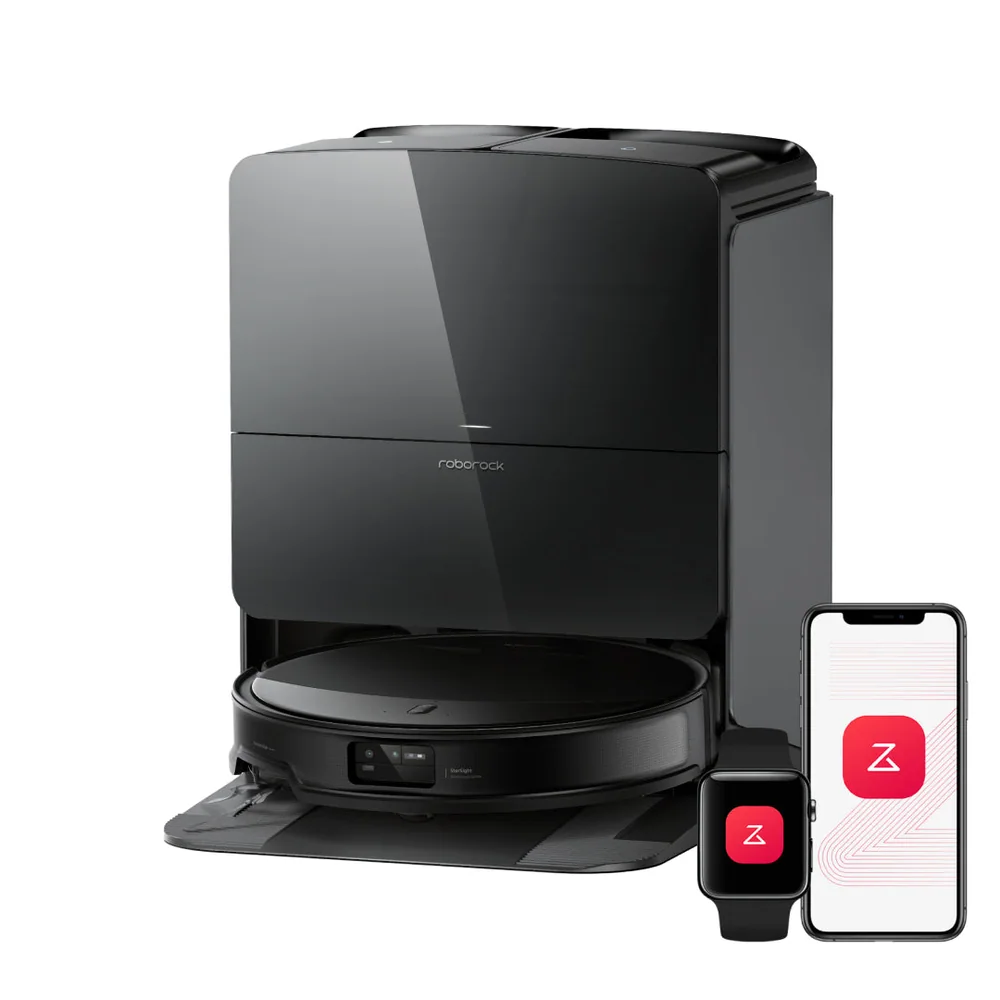
Dock placement that prevents failed returns
Put the dock where the robot can see it and approach it straight. Most failed returns happen when the dock is tucked behind furniture, placed too close to a corner, or sitting on a surface that shifts. Choose a spot on a hard floor (not a thick rug) with open space in front so the robot can line up and make small corrections as it docks. If your home has multiple levels, decide which floor will be the -home base- and keep that area predictable.
Treat the dock area like a small landing zone. Keep shoes, bags, and pet bowls away from it so the robot does not bump the dock out of position. If the dock has a self-empty base, remember it needs extra clearance and will be louder during emptying, so a hallway near bedrooms may be annoying at night. After you place it, run a short clean and watch the return. If it hesitates or bumps repeatedly, move the dock a foot or two and try again.
Quick home prep that actually matters (cords, fringe rugs, thresholds)
Do a fast sweep for the things that stop robots: cords, strings, and lightweight items. Charging cables are the biggest problem because they can wrap around the main roller and stop the robot mid-run. Lift cords off the floor, route them along walls, or use a cord cover. Pick up small toys, socks, and pet chew items. This is the difference between a robot you can run while you cook dinner and one that needs a full room reset first.
Next, look at rugs and transitions. Fringe and tassels can tangle in rollers, so fold fringed edges under, use a no-go zone, or skip those rugs during robot runs. Check thresholds between rooms. If the robot bumps and fails to climb a transition, it may never reach certain rooms, which makes the map and schedule feel -wrong.- For problem thresholds, try cleaning those rooms separately, adding a small ramp-style transition strip, or setting the robot to start on the far side when you can place it there.
First mapping run: what to watch for and when to remap
If your robot supports mapping (it builds a floor plan), treat the first mapping run as a learning pass. Start with good lighting if it uses a camera, and open doors to rooms you want included. Stay nearby, not to steer it, but to notice patterns: where it slows down, where it scrapes, and where it repeatedly tries the same tight gap. Those spots are your future no-go zones or furniture adjustments.
Remap when the map is clearly wrong, not just because a run was imperfect. Signs you should remap include rooms merged together, missing rooms that were open, or the robot thinking it is in the wrong place after docking. Before remapping, fix the cause: move the dock to a clearer spot, open the right doors, and remove temporary clutter. If you rearrange furniture significantly or add a large rug, expect to update the map or let the robot do a few supervised runs so it can adapt.
Room schedules that match real mess patterns
A good schedule follows dirt, not the calendar. Kitchens and entryways usually need the most frequent runs because crumbs and grit show up daily. Pet zones and litter areas also benefit from frequent, shorter cleans. Bedrooms and formal rooms often need less. If your robot lets you schedule by room, start with a simple plan: high-traffic rooms more often, low-traffic rooms less often. This keeps the robot’s bin from filling too fast and reduces the chance of it dragging debris around.
Time your runs to your household. Run it when floors are clear and people are not walking through the cleaning path. If you have a self-empty base, avoid scheduling auto-empty during calls or bedtime. If you have rugs that shed or a lot of hair, schedule more frequent runs at a lower intensity rather than one long run that fills the bin and clogs the roller. After a week, adjust based on what you see in the bin and where you still feel grit underfoot.
What this guide helps you understand
In the first week, focus on reliability: a clear dock approach, cord control, and a schedule that targets the messiest rooms. Once the robot completes runs without getting stuck, every other feature becomes more useful.
Choose a dock location on a stable hard floor with open approach space, then confirm the robot can dock successfully three times in a row.