Dock footprint and where it can realistically live
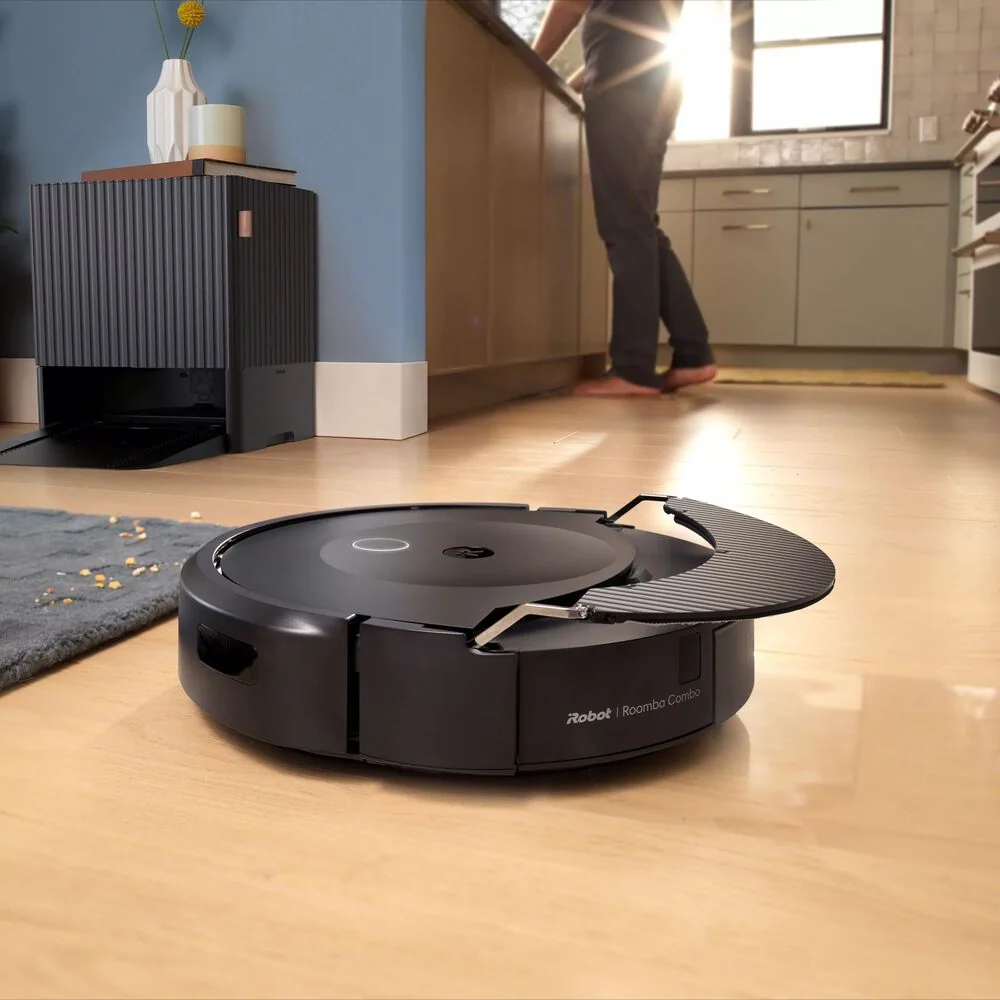
In a small space, the dock is the real piece of furniture. Measure the spot you actually have, not the spot you wish you had. The robot needs room to approach the dock straight on, and the dock needs to sit on a hard, stable surface so it does not slide. If the only available location is behind a door swing, under a radiator cover, or in a narrow hallway, expect more failed dockings and more -robot stranded- moments.
Think about your daily traffic pattern. A self-empty base can be convenient, but it is usually taller and deeper, and it can be loud for a few seconds when it empties. If you work from home or share walls, that noise matters. If you cannot dedicate a clean, reachable corner, a simpler charging dock plus more frequent hand-emptying can be the better trade. The best dock location is one you can access easily for emptying, filter checks, and occasional cleanup behind it.
Obstacle avoidance vs simple layouts
Obstacle avoidance means the robot can detect and steer around objects like cords, shoes, and pet bowls instead of pushing into them. In a small apartment with a simple, open layout, you may not need the most advanced avoidance to get good results. What you do need is consistency: the robot should cover the whole floor without repeatedly bumping the same chair legs until it gives up.
If your small space is also a cluttered space, obstacle avoidance becomes more valuable. Think charging cables near the sofa, a floor lamp base, a pet water bowl, or a laundry basket that moves around. Even good avoidance is not a license to leave the floor messy, but it can reduce the number of failed runs. A practical approach is to decide whether you want to -prep the floor- before each run. If you do not, pay more attention to avoidance and no-go zone tools.
Rug edges, chair legs, and tight clearances
Small homes often have lots of transitions packed into a short distance: a rug edge near the kitchen, a threshold into the bathroom, chair legs around a small table, and a bed frame with low clearance. These are the spots that cause repeated hang-ups. Look for a robot that can climb low rug edges and thresholds without high-centering (when the robot’s belly gets stuck on a raised edge).
Clearance is just as important. If the robot is too tall for your sofa or bed, it will leave a dusty strip you will notice because the room is small. If it is too low, it may wedge itself under furniture and get trapped. Before buying, check the lowest furniture gaps and the most common -trap zones,- like U-shaped chair bases and folding drying racks. In tight dining areas, a robot that can turn cleanly and back out without scraping legs will waste less time and battery.
When a compact stick vacuum is the better tool
Robot vacuums are best at frequent, light pickup on open floors. If your apartment has lots of vertical cleaning needs, a compact stick vacuum can be the better primary tool. Stairs, upholstery, window sills, and tight corners still need a handheld or stick vacuum. If your main mess is on the couch, in the car, or on a small set of steps, a robot will not solve the problem.
A stick vacuum also wins when your floor plan is mostly rugs with thick edges, or when you have many small obstacles that move daily. In those cases, the time you spend rescuing and resetting a robot can exceed the time it takes to do a quick manual pass. A practical compromise is using a robot for the kitchen and entry area on a schedule, then using a small stick vacuum once or twice a week for edges, corners, and furniture. That combination often feels -cleaner- than chasing full automation.