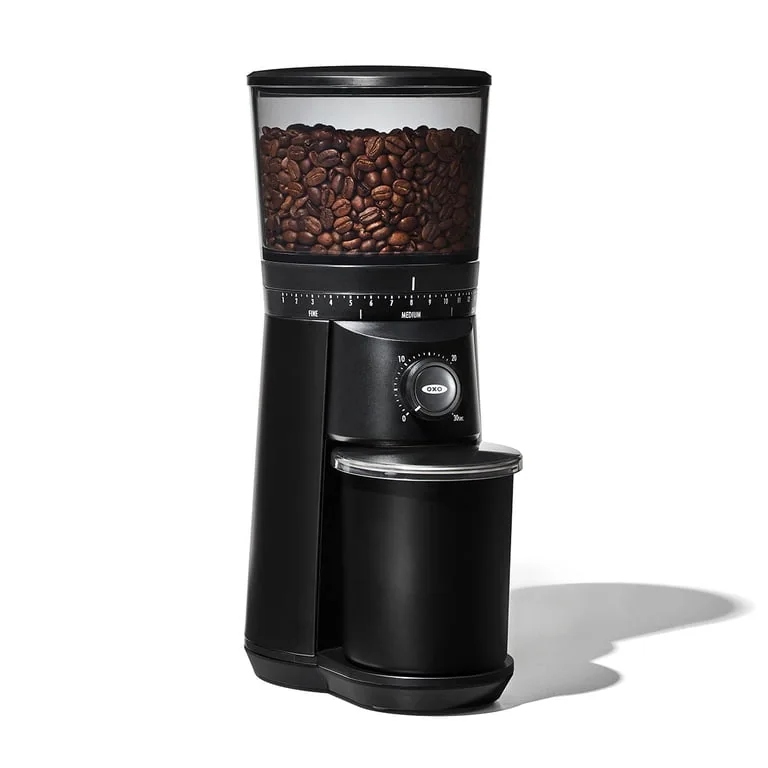
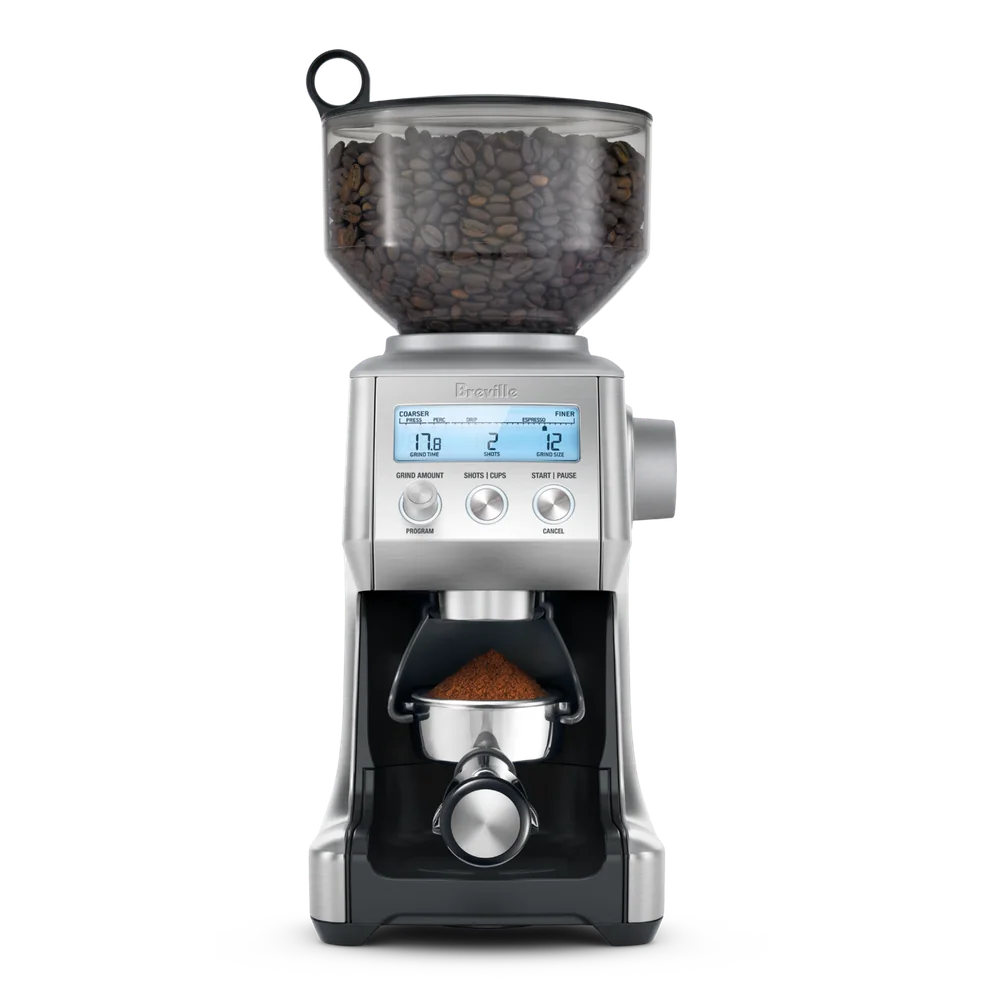
What -good coarse- means for cold brew
Cold brew wants a coarse grind that is consistent, meaning most particles are about the same size. When a grinder makes a mix of boulders and dust, the dust over extracts early and adds bitterness, while the boulders under extract and leave the concentrate thin. You can hide some of that with milk and sweetener, but you cannot filter your way out of harshness that is already dissolved into the brew.
Pay attention to the grinder’s coarse end of the range, not just whether it can grind fine. Some grinders technically have a -coarse- setting but still create lots of fines because of burr shape, worn burrs, or a design that recirculates grounds. A practical check is to grind a small dose on a coarse setting and look for visible dust coating the container walls. A little is normal. A heavy layer usually means more sludge and slower filtering later.
Batch size, throughput, and the container problem
Cold brew batches often mean grinding enough coffee to fill a large jar or brewer. That makes bean capacity and ground coffee capacity matter. If the grinder’s catch cup is small, you will be stopping mid grind to empty it, which increases spills and makes it harder to keep track of how much you have ground. If you use a hopper (a bean bin on top), a larger hopper can be convenient for batch days, but it also tempts you to store beans there too long.
Think about your workflow from weighing to pouring. Single dosing means you weigh beans per batch, grind them, and store the rest of the beans sealed. Hopper grinding means you pour beans into the hopper and grind by time or by a built-in dose setting. For cold brew, single dosing is usually easier to keep consistent because you are already measuring for a batch. It also reduces retention issues, where old grounds stuck inside the grinder sneak into the next batch and add stale flavors.
Filtering and fines: matching grinder output to your strainer
Your filter setup determines how much fines will bother you. A metal mesh filter lets more sediment through, so a low-fines grinder matters more. Paper filters catch more, but they clog quickly when the grind is dusty, turning straining into a slow drip and encouraging you to squeeze the filter, which pushes more silt into the cup. If you want a cleaner concentrate, start by reducing fines at the grinder, then choose a filter that matches your patience.
A practical approach is staged filtering. First, pour through a coarse strainer to catch the big particles, then finish with a finer filter if you want clarity. This works best when the grind is consistently coarse, because the first stage removes most of the mass without creating a paste that blocks the second stage. If your grinder produces lots of fines, staged filtering can still help, but you will notice more sludge at the bottom of the container and more bitterness in longer-steeped batches.
Mess, static, and cleanup that actually affects flavor
Static is the cling that makes grounds stick to the chute, cup, and counter, especially in dry air. It is not just a housekeeping issue. When grounds stick inside the grinder, they become retention. Those trapped grounds go stale, pick up odors, and then mix into your next batch. Cold brew can mask staleness better than hot coffee, but it still shows up as dull, papery, or woody flavors.
Look for a grinder that is easy to access where coffee actually builds up: the burr chamber and the exit chute. -Easy to clean- sometimes only means the hopper comes off, which does not help much if the chute traps oily residue. For maintenance, brush out the chute and burr area regularly, and do not wait until you smell rancid coffee. If you switch between flavored beans and regular beans, clean sooner, because cold brew’s long contact time can pull lingering aromas into the concentrate.