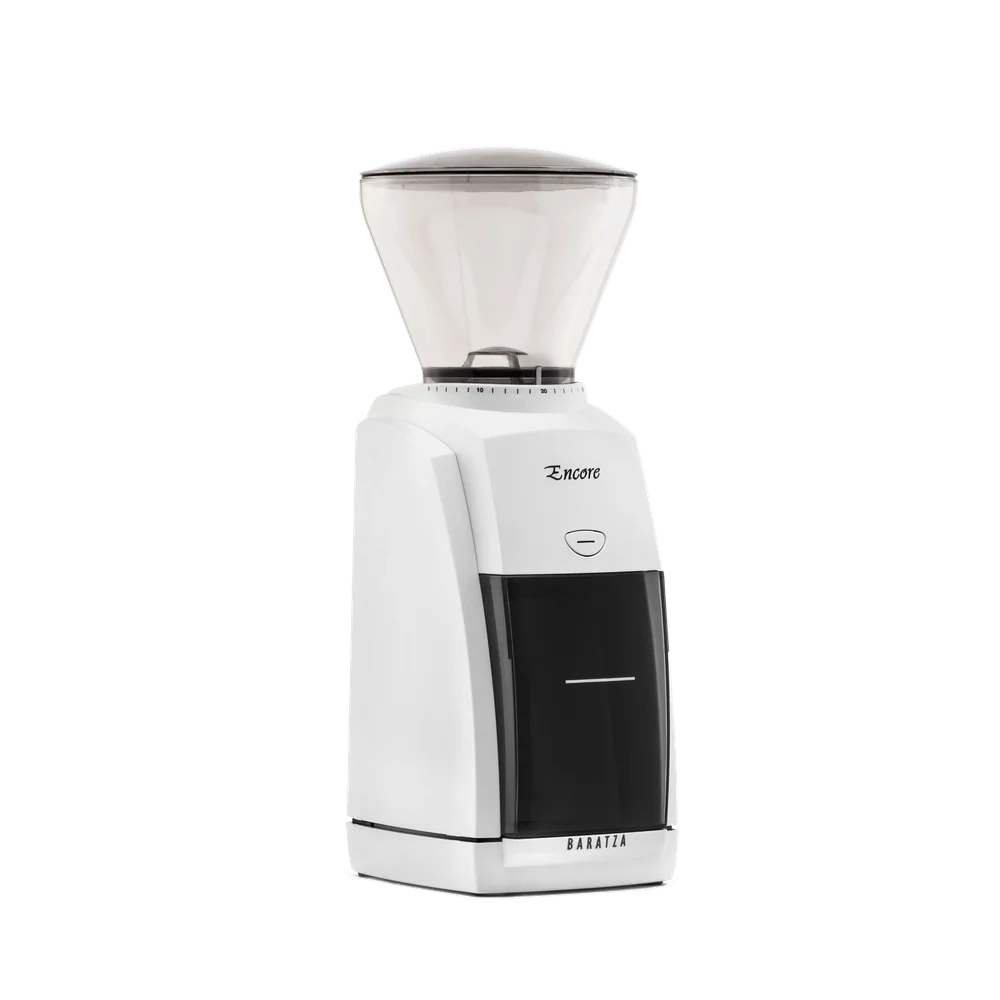
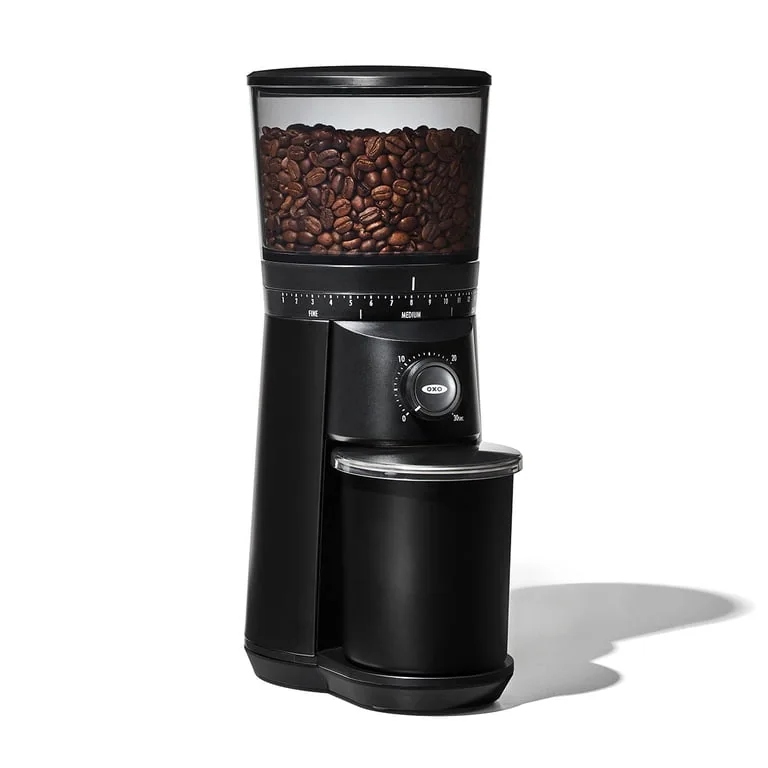
A specific section heading
Start by knowing what you are trying to reach. The burrs are the shaped cutting surfaces that crush beans to a set gap, and the burr chamber is the cavity around them. That chamber collects oils and a ring of compacted fines, especially if you grind dark roasts or flavored beans. Next is the chute, which is the exit path to your cup or bin. Chutes trap grounds, then release them later, which is one reason yesterday’s coffee can show up in today’s dose (this is called retention).
-Easy- designs usually share a few traits: a top burr that lifts out without losing your grind setting, a straight chute you can brush through, and minimal hidden ledges where grounds can cake. If a grinder requires you to remove multiple screws just to see the burrs, you will clean it less often. If the chute is narrow, zig-zagged, or covered by a hard-to-reach flap, you will fight stale buildup and random little bursts of old grounds even if the burrs themselves are accessible.
A specific section heading
Look past the marketing words and focus on the parts you will touch. A removable hopper is nice, but it mostly helps you empty beans, not clean the oily areas that affect taste. -Tool-free- can be helpful, but only if it does not mean -tool-free for the easy parts.- Ask yourself: can you remove the top burr, can you see the chute opening, and can you get a brush where coffee actually sits? If the answer is no, the cleaning claim is mostly about convenience, not results.
Also treat -anti-static- and -low retention- as workflow claims, not guarantees. Static is the cling that makes grounds stick to plastic and metal, and it gets worse in dry air and with certain beans. Some grinders reduce static with materials, chute shape, or ionizers, but a poor chute can still spray grounds. Low retention designs can still hold coffee in a declumper or behind a flap. The practical test is whether you can clear the exit path quickly, not whether the box promises less mess.
A specific section heading
A realistic routine beats occasional deep cleans. For most households, the daily goal is simple: keep the exit path clear and keep old grounds from accumulating. After grinding, a quick tap or gentle knock can help grounds fall out, but it should not be required to get a normal dose. If your grinder needs repeated thumping to empty, that is a sign the chute or declumper is trapping coffee. A small brush kept next to the grinder makes it easy to sweep the chute opening and the grounds cup area.
Weekly or every few weeks, open the grinder enough to brush the burr chamber and the underside of the top burr. This is where oils and fines build up and where -mystery bitterness- often starts. Avoid turning cleaning into a full disassembly unless the design supports it. If you have to re-calibrate or guess your setting afterward, you will put off cleaning and your coffee will drift. The best ownership experience is a grinder that lets you clean the important areas and return to your setting with minimal fuss.
A specific section heading
Your brewing method changes what -clean enough- looks like. Espresso uses very fine grinds, which means more fines and more clumping. That makes chute design and declumper access more important, because a small blockage can change dose and shot time. Espresso also tends to reveal stale oils quickly, since the brew is concentrated. If you make espresso daily, prioritize a grinder that opens easily and has a chute you can brush without gymnastics.
For drip, pour over, French press, and cold brew, cleaning still matters, but the pain points shift. Coarser grinds can leave fewer sticky clumps, yet they can still shed dust that packs into corners over time. French press and cold brew are especially sensitive to excess fines, which can come from old buildup breaking loose and mixing into your grounds. If you switch beans often, single dosing (weighing beans per brew instead of storing them in a hopper) can reduce staleness, but it can also increase static and mess. A cleanable chute and a cup that fits well under the exit help keep that tradeoff manageable.