Coffee grinders with ceramic burrs: who they fit and what to watch
Published
Ceramic burr grinders can be durable and consistent, but they reward careful handling, realistic expectations about adjustment, and regular cleaning.
Reading time: 9 minutesBest for: People choosing between ceramic and steel burr grinders and wanting clear expectations for durability, adjustment, and upkeep
Ceramic vs steel burrs: what changes in daily use
Both ceramic and steel burrs can make excellent coffee when the grinder is well designed. The bigger difference you will notice day to day is how the grinder behaves with your beans and your routine. Ceramic burrs are hard and wear slowly, which can help maintain grind consistency over time. They also do not corrode, which matters if you live in a humid area or you are not diligent about keeping the grinder dry.
Steel burrs are generally tougher against impacts. Ceramic can chip if the grinder is dropped or if a hard foreign object gets into the burrs. That does not mean ceramic is fragile in normal use, but it does mean you should treat the grinder like a precision tool. If you buy beans from sources that sometimes include small debris, or you tend to dump beans quickly without looking, steel can be more forgiving.
Adjustment steps and the -espresso-capable- trap
Grind adjustment is how you change the burr gap to go finer or coarser. Many ceramic-burr grinders use stepped adjustment, meaning you turn a dial and it clicks into preset positions. That can be perfectly fine for drip, pour over, and French press, where you can adjust recipe variables like dose and pour speed to compensate. For espresso, small changes in grind size can swing shot time and taste dramatically, so coarse steps can make dialing in frustrating.
-Espresso-capable- needs context. A grinder can grind fine enough for espresso but still lack the fine control to repeat results. If espresso is your main goal, look for small adjustment increments and a stable setting that does not drift. If you only make espresso occasionally, a stepped ceramic grinder can still work, but expect more trial and error and a narrower range of beans that feel easy to dial in.
Cleaning, oil buildup, and why ceramic still needs maintenance
Ceramic burrs do not rust, but they still get dirty. Coffee oils and fines build up in the burr chamber and chute. Over time, that residue turns stale and can make coffee taste flat, smoky, or oddly bitter even when your beans are fresh. Dark roasts leave more surface oil, so they tend to gunk up grinders faster. If your grinder starts smelling like old coffee, that smell will show up in the cup.
Prioritize access over buzzwords. A removable hopper is helpful, but what matters is whether you can reach the burr area and the exit path where grounds pack in. Brush out the burr chamber regularly, and clean more often if you grind oily beans or flavored coffee. Also pay attention to retention, which is how much ground coffee stays inside after grinding. High retention means yesterday’s grounds can mix into today’s dose, which is especially noticeable when you switch coffees.
Handling, longevity, and replacement realities
Ceramic burrs can last a long time, but they do best with gentle handling. Avoid dropping the grinder or knocking it around in a drawer. If the grinder is portable, protect it during travel. When you pour beans in, take a quick look for obvious debris. It is rare, but a small stone can do real damage if it gets caught between burrs, and ceramic is less likely to shrug that off.
Before you buy, check whether replacement burrs and parts are available and how hard they are to install. Some grinders treat burrs as a service part, others treat them as a sealed component. That affects the long-term value. Also consider how the grinder behaves as it ages. If the adjustment mechanism is plastic-heavy or the burr carrier can loosen, you may see more inconsistency even if the burr edges are still sharp.
What this guide helps you understand
Decide on ceramic burrs by weighing long wear and corrosion resistance against brittleness, adjustment precision needs, and the reality of cleaning and parts support.
Confirm the grinder offers the adjustment control your brew method needs, and verify that burr access and replacement parts are realistic for long-term ownership.
Products that fit this category guide
As an Amazon Associate I earn from qualifying purchases.
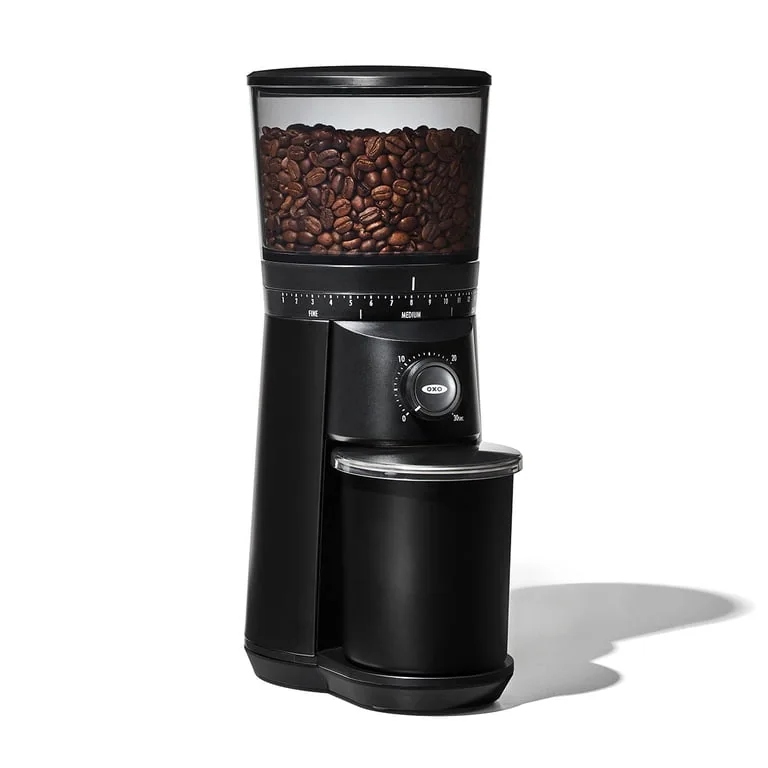
OXO Brew Conical Burr Coffee Grinder fits most home coffee drinkers who want a dependable burr grinder for daily drip, pour-over, and French press without overthinking it.
If you want ceramic for longevity, protect it from impacts and keep the burr chamber clean, because stale oils can ruin flavor long before burr wear becomes the issue.
Safety note: Do not run the grinder with the burrs removed or loosely installed. Unplug electric grinders before opening the burr area or clearing a jam.