
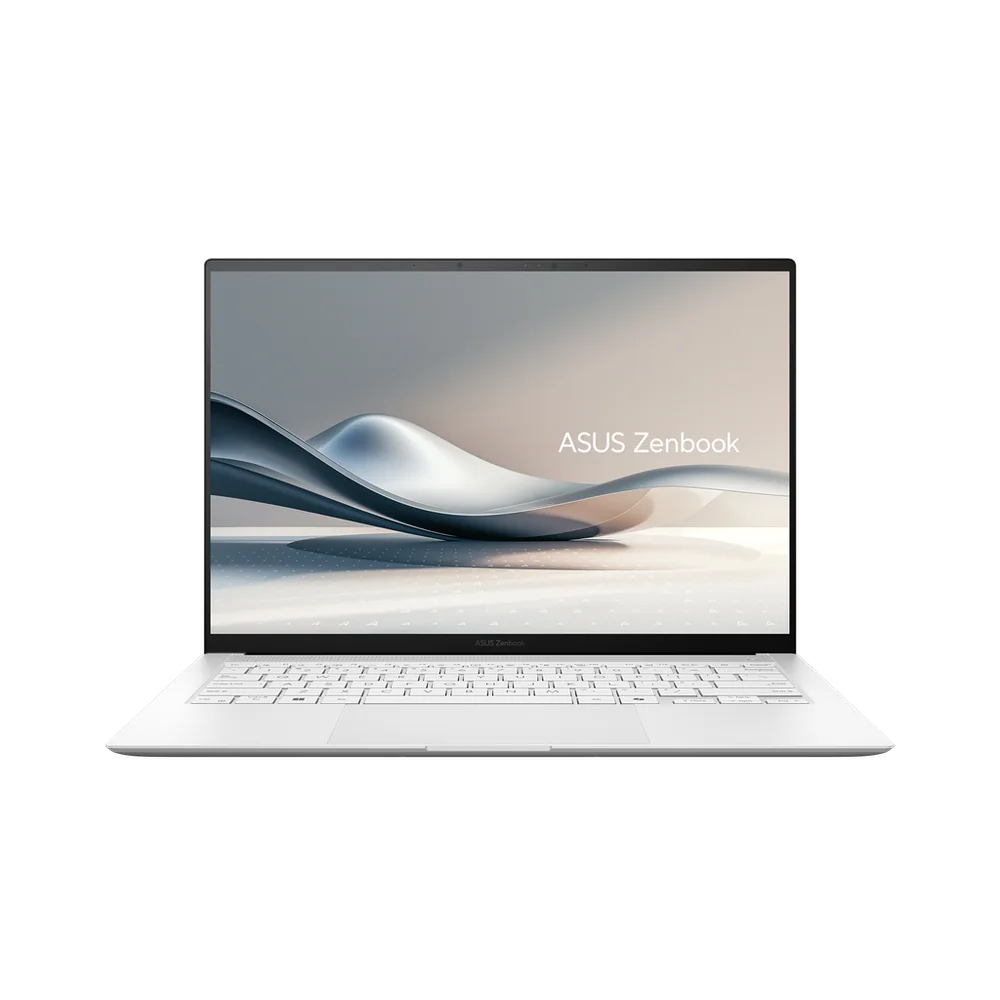
What to know first
- The Asus Zenbook S14 OLED is a premium portable laptop for remote work and travel.
- The OLED display is the main reason to consider it if you care about screen quality day to day.
- This is a better match for light office work than for shoppers trying to hit a specific performance target.
- Portability is the point, which matters if you commute, fly, or work in multiple places.
- If you want an all-around recommendation with clearer configuration details, start with a more fully specified alternative.
What the Asus Zenbook S14 OLED is
The Asus Zenbook S14 OLED is a premium, travel-friendly laptop aimed at remote workers. The core idea is simple: make it easy to carry, and make the screen look great while you work.
The “S14” naming points to a 14-inch-class ultrabook style, which is the sweet spot for a lot of people who commute, fly, or bounce between home and a coworking space. You get enough screen space to work without hauling around a bigger, heavier machine.
The “OLED” part is the main differentiator. OLED panels are known for richer contrast and punchier visuals than typical laptop screens, which can make long days of reading and general on-screen work feel nicer if you are picky about what you stare at for hours.
Why it stands out
Portability is the point. This laptop is positioned for frequent travel and on-the-go remote work, where the daily win is simply having a machine that feels easy to live with in a backpack and on small tables.
The OLED display is the other reason to pay attention. If you have ever used a laptop screen that looks flat or washed out, OLED is the opposite direction. For remote work, that can matter more than people expect because your screen is your office all day.
The Zenbook S14 OLED is easiest to justify when you are buying for the experience: a nicer-looking screen and a laptop that is meant to feel premium and easy to carry. If you prefer to shop by a checklist of exact CPU, RAM, storage, ports, and battery expectations, this is not the cleanest comparison purchase.
What it is like to own
In day-to-day remote work, the Zenbook S14 OLED is best thought of as a take-it-everywhere laptop. If you are moving between rooms at home, commuting, or traveling, the practical benefit is that you are less likely to leave it behind because it is annoying to carry.
The OLED screen is the part you notice constantly. It is not a feature you use once. It is the thing you look at for email, documents, and web apps. If screen quality is a personal priority, this upgrade changes the feel of daily work more than a spec bump you only notice during rare heavy tasks.
If your workflow is mostly browser tabs, documents, chat, and video calls, the Zenbook S14 OLED’s appeal is straightforward: it is meant to feel nicer to use and easier to bring along. If your workflow is defined by demanding tasks, you will probably want a laptop choice that is easier to match to a specific performance need.
What to know before you buy
The main thing to get right is your shopping approach. The Zenbook S14 OLED is a good fit when you are choosing based on portability and display quality. It is a harder buy when you want to compare exact configurations and performance expectations side by side.
Be careful with battery life expectations in general. Laptop battery claims are often presented as “up to” numbers under light use. Real life remote work (video calls, lots of tabs, higher brightness) usually pulls that down.
If your work includes sustained heavy loads, remember that thin, portable laptops can slow down under long, demanding sessions to control heat. If that sounds like your day, prioritize a laptop that is clearly positioned for heavier work.
The specs that matter
This is the main day-to-day experience upgrade. OLED is known for richer contrast and a more vivid look than many standard laptop screens, which you will notice constantly in documents, web apps, and media.
A 14-inch-class laptop is a common sweet spot for travel and commuting. It is easier to carry than a larger laptop while still giving you enough screen space to work comfortably.
This tells you how to think about the purchase. The value is in portability and screen experience for everyday tasks, not in buying the most performance you can get on paper.
You are paying for the overall ultrabook experience (carry comfort and a nicer screen) rather than buying the cheapest machine that can run office apps.
Who this product fits
You travel for work and live out of a backpack
The Asus Zenbook S14 OLED is aimed at being easy to carry while still feeling like a real work laptop. The OLED screen is a quality-of-life upgrade when you are working in hotels, airports, and coffee shops.
You do light remote work but care a lot about your screen
If your day is mostly email, documents, and web tools, the OLED display can be the most noticeable improvement you make because it affects everything you do all day.
You want a premium Windows-style ultrabook for everyday admin work
If you want something that feels nicer than a basic office laptop and you value portability, the Zenbook S14 OLED fits that brief. It is a better match for everyday office tasks than for shopping around a specific heavy-work performance goal.
What else to compare
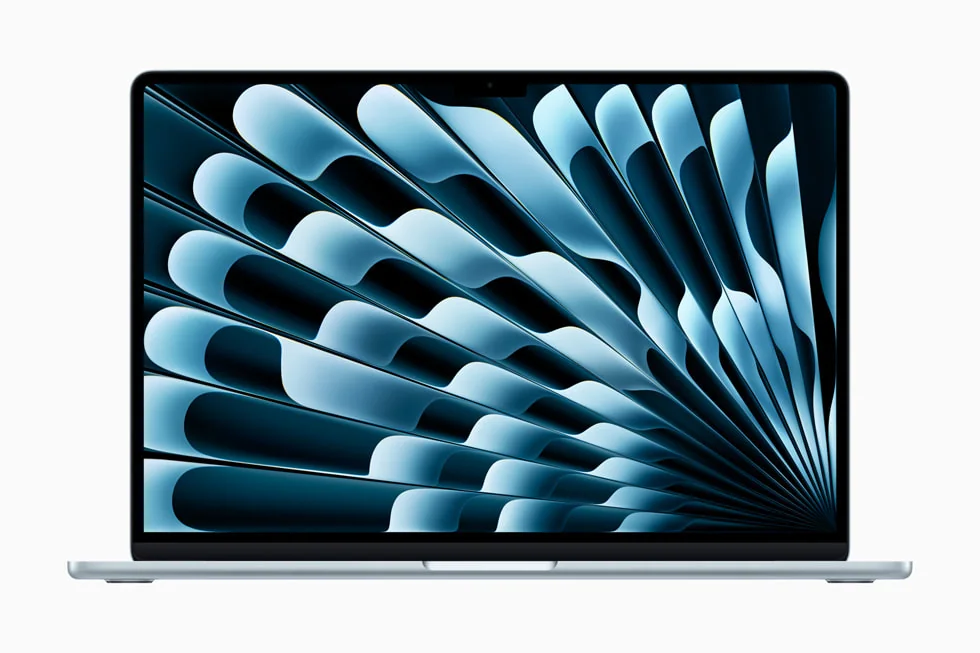
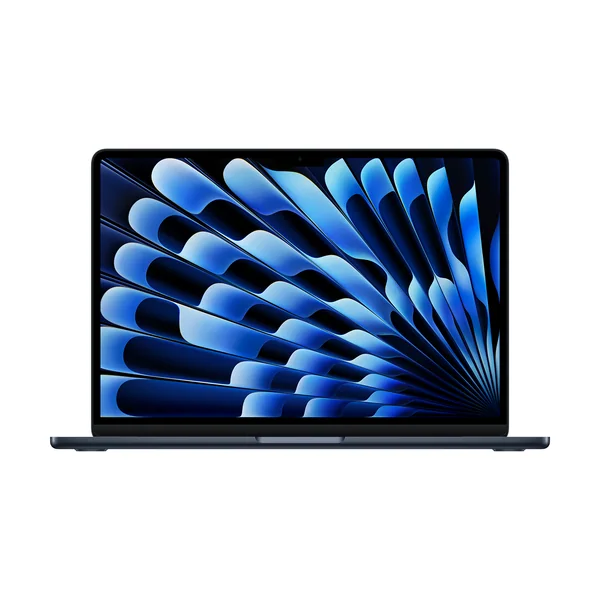
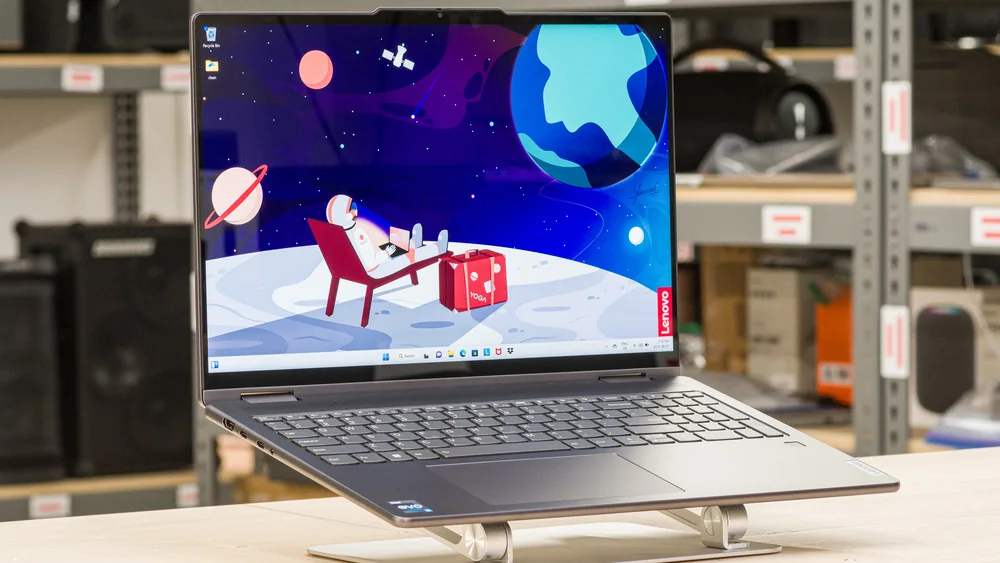
If you want a more straightforward all-around remote-work recommendation, start with these options instead.

Asus Zenbook S14 OLED FAQ
Is the Asus Zenbook S14 OLED good for remote work?
Yes, it is positioned for remote work, especially if you travel a lot and want a premium-feeling, portable laptop. The OLED screen is the standout feature for day-to-day use. If you prefer to choose based on clearly listed configuration and performance details, you may want a different model.
What does OLED actually change on a work laptop?
OLED mainly changes how the screen looks: richer contrast and a more vivid image than many standard laptop displays. For remote work, that matters because you stare at the screen for hours, not minutes. It is a quality-of-life upgrade more than a speed upgrade.
Is the Asus Zenbook S14 OLED a good choice for heavy workloads?
It is primarily positioned around portability and display quality, not as a clearly defined heavy-work machine. If your day includes demanding tasks like big exports, large spreadsheets, or long coding builds, you will usually be better served by a laptop that is explicitly positioned for that kind of sustained work.
Should I trust advertised battery life for the Asus Zenbook S14 OLED?
Treat any “up to” battery life claim as a best-case scenario. Real battery life usually drops with higher brightness, video calls, and lots of browser tabs. If battery life is a top priority, focus on models with clear, comparable battery expectations.
What should I compare when shopping the Asus Zenbook S14 OLED against alternatives?
Start with the basics that affect daily use: CPU, RAM, SSD size, and display quality. CPU and RAM determine how smooth multitasking feels, while SSD size determines how long you can go before managing storage. Display quality matters because it affects comfort and readability every day.
Should you buy the Asus Zenbook S14 OLED?
Buy the Asus Zenbook S14 OLED if you want a premium, travel-friendly laptop and the OLED screen is a real priority for you. It is aimed at remote workers who value portability and a nicer viewing experience for everyday office tasks.
Skip it if you want to make your decision mainly by comparing detailed configuration and performance expectations. In that case, you will be happier with a more fully specified all-around option that is easier to match to your workload.