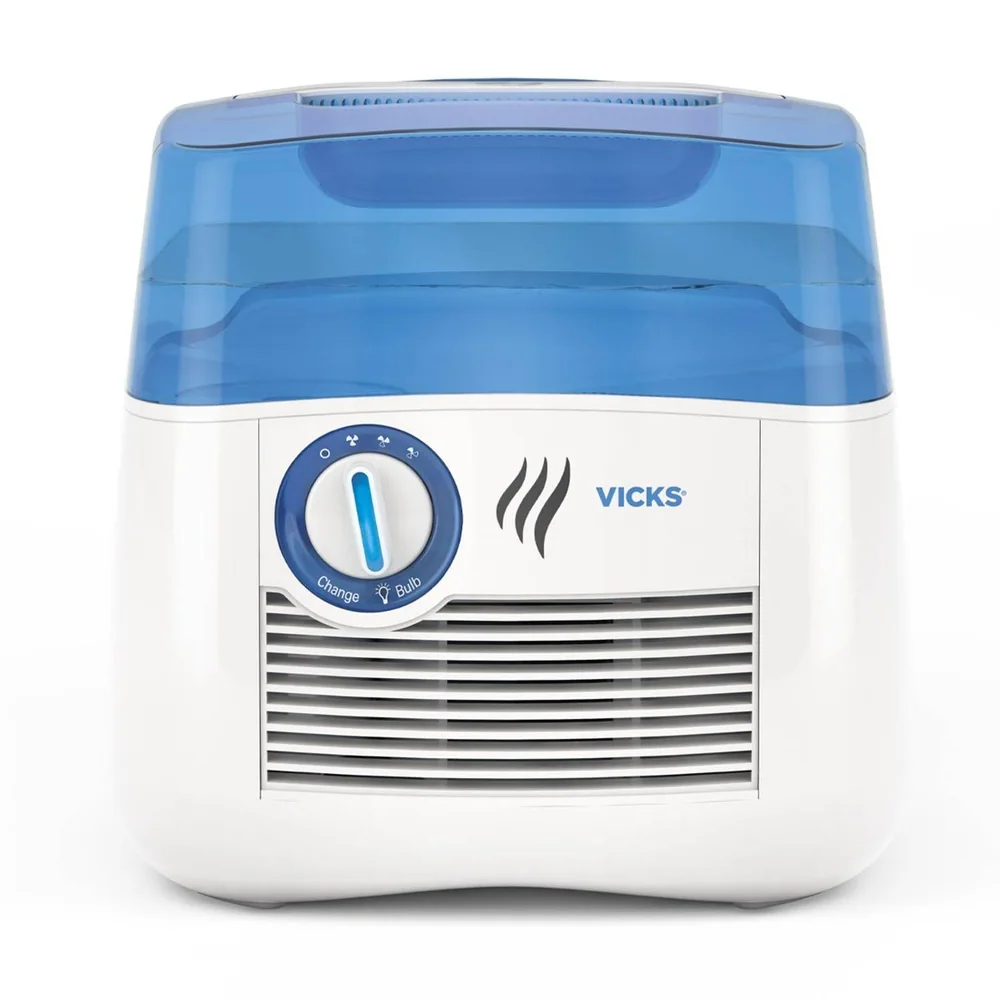
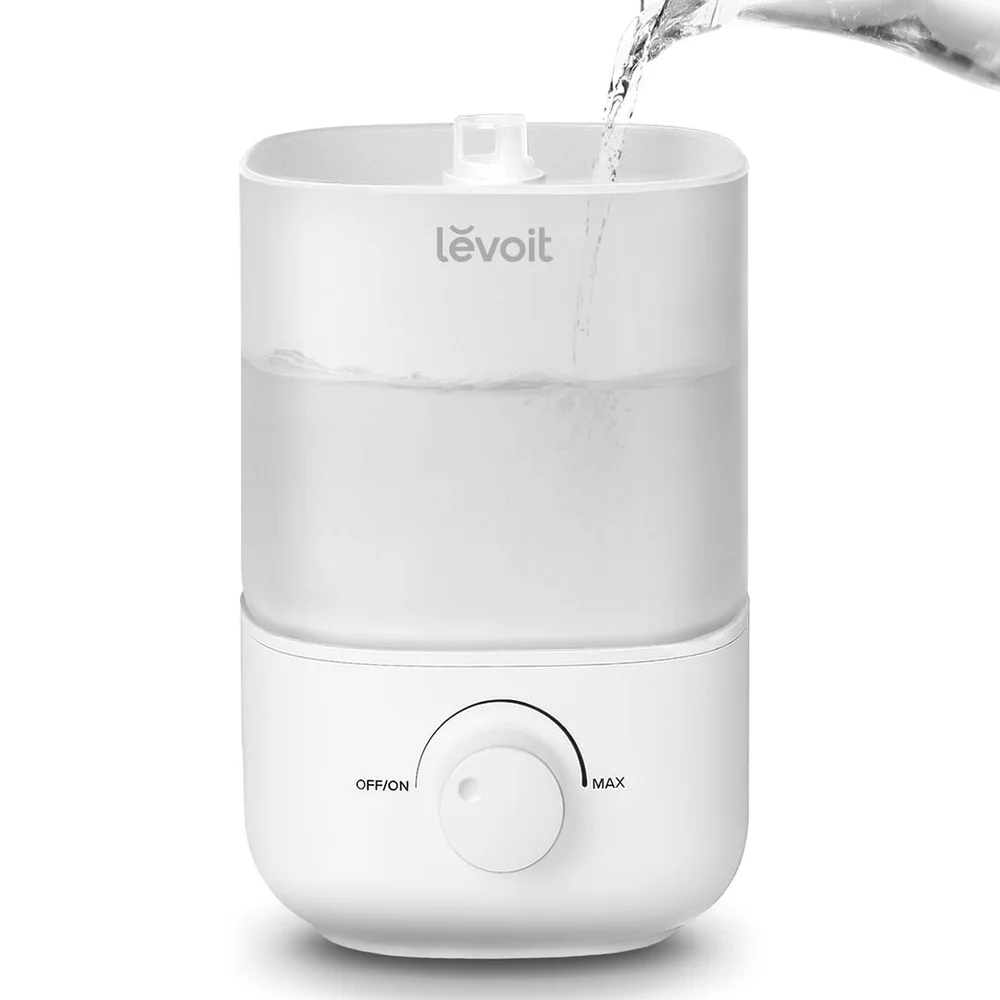
Safety and placement: the biggest deciding factor
Warm mist humidifiers heat water, which means the unit can have hot components and can produce hot steam. That changes where you can safely place it. A stable surface out of reach is important, and you should think through nighttime movement in the room. A bumped warm mist unit can spill hot water, and curious hands or paws can get too close. Cool mist humidifiers remove the burn concern, which is why they are commonly chosen for nurseries and kids' rooms. The tradeoff is that cool mist can dampen nearby items if the unit is too close to a wall, crib, or curtains. Place it where the mist can disperse into open air, and keep it away from electronics and wood furniture that can swell or spot from repeated moisture.
Energy use and room feel: what changes and what does not
Warm mist units use a heating element, so they generally draw more power than cool mist units. In a small bedroom, the added heat is usually modest, but it can still matter if you run it for long stretches. If you are trying to keep energy use down, cool mist is typically the easier choice. In terms of humidity, both types can raise the room's moisture level. Warm mist may feel more noticeable because the vapor is warm when it leaves the unit, while cool mist can feel like a draft if it blows toward you. Neither type should be used to push humidity high enough to cause window condensation. Comfort comes from maintaining a steady, moderate humidity, not from making the air feel wet.
Minerals and residue: why warm mist can look cleaner
Minerals in tap water do not disappear. With cool mist ultrasonic units, those minerals can become airborne and settle as white dust. With evaporative cool mist units, minerals tend to stay in the wick. Warm mist units often leave minerals behind in the heating chamber as scale, which you see as buildup that needs descaling. If you hate wiping white dust, warm mist or evaporative cool mist can be appealing. But warm mist shifts the work to descaling, which is removing mineral scale from the heated parts. If your water is hard, you will likely be cleaning scale more often. Distilled water can reduce scale and residue for any type, but it adds ongoing cost and the hassle of keeping jugs on hand.
Cleaning routines: what gets neglected and what to prioritize
All humidifiers need regular cleaning because wet surfaces can grow slime and odor. Warm mist units can have fewer air pathways and no wick, but the heating area can collect scale and can be harder to reach if the design is cramped. Look for a base that opens easily and surfaces you can actually scrub without special tools. Cool mist units vary widely. Ultrasonic models often have small chambers and corners that trap residue, while evaporative models add wick care and replacement. Whatever type you choose, plan a routine you will follow: empty leftover water daily when possible, rinse the tank, and do a deeper clean on a schedule that matches how quickly your unit gets slippery or crusty. A humidifier that is annoying to clean is the one that ends up dirty.